
Last updated November 24, 2026
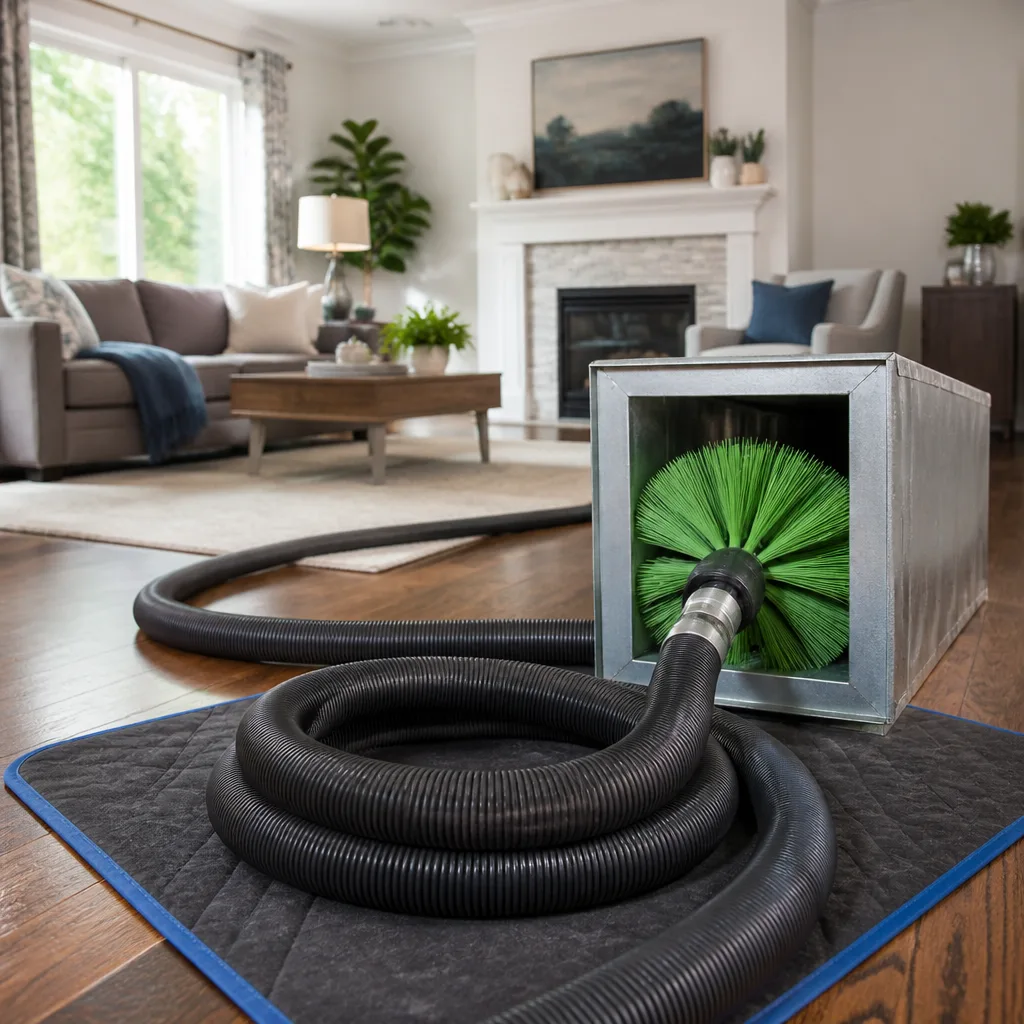 Whole-home duct cleaning
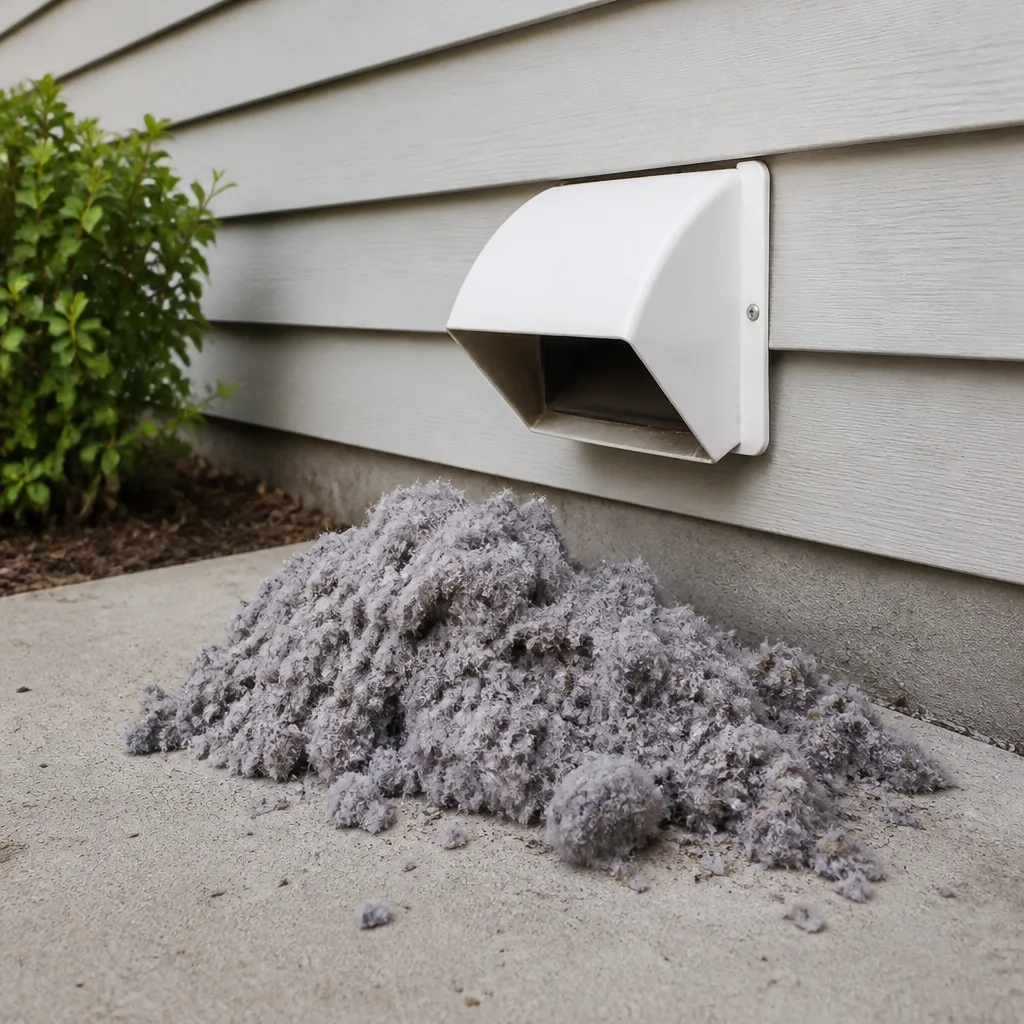 Dryer vent cleaning
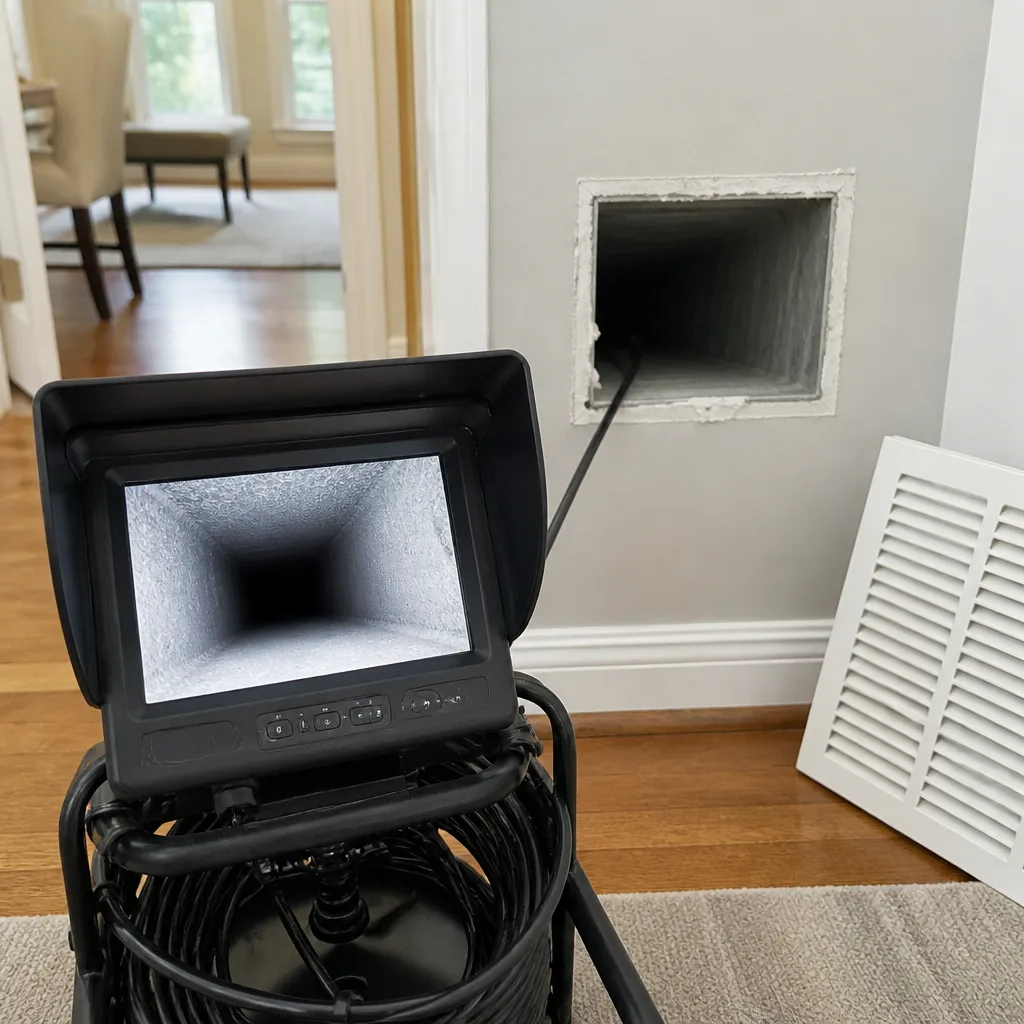 Camera inspection
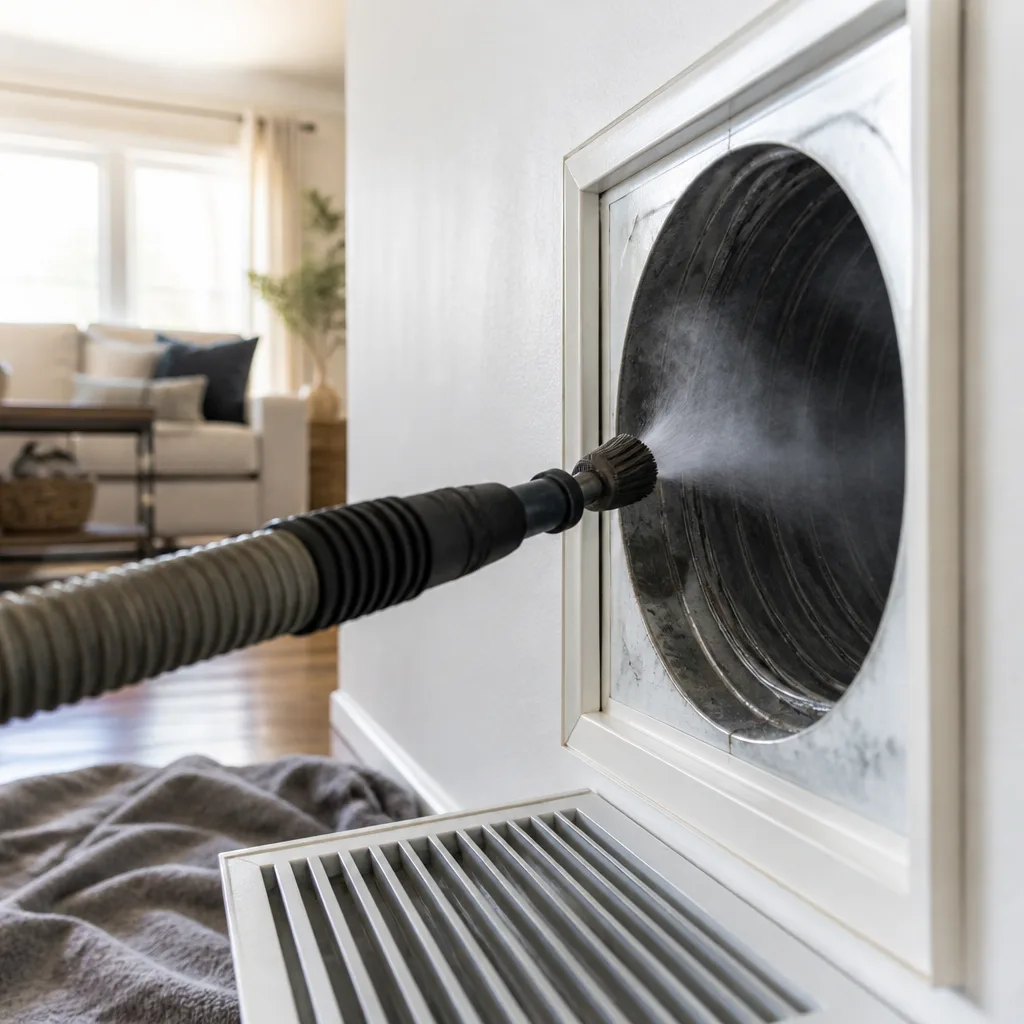 Sanitizing & deodorizing
Whole-system duct and dryer vent check with before-and-after photos - you see exactly what came out of your vents
That "$99 whole-house special" is a bait ad - the real number appears once they are in your hallway, or the "clean" is a shop-vac at the register. We photograph the inside of your ducts before and after instead.
Seasonal Air Duct Cleaning Care for South Coast Metro: Year-Round Homeowner’s Guide
October is the worst month of the year for a duct system in South Coast Metro, and it has nothing to do with cold. When offshore Santa Ana winds push through the passes and down into the metro, they carry fine dust, ash and grit that slip past standard filters and settle inside the ductwork. Then November brings the marine layer back, humidity climbs, and all that dry particulate is sitting in a dark, slightly damp tube. What happens next is the part most homeowners never connect to the dust and musty smell they notice by December. This guide maps the local climate calendar onto your ducts and shows you when each season puts stress on the system.
Quick Answer
In South Coast Metro, duct systems need the most attention in the two transition windows: late October to November, when Santa Ana winds deposit fine particulate and marine moisture returns, and March to April, when the system switches from heating back to cooling. A full professional clean roughly every two to three years fits most homes here, with a dryer vent check once a year. Homes near the inland edge of the metro, where wildfire smoke reaches more often, benefit from a post-smoke assessment after any major fire season.
Styles & brands we work with
- Whole-home duct cleaning
- Dryer vent cleaning
- Camera inspection
- Sanitizing & deodorizing
Table of Contents
- South Coast Metro’s Real Climate Calendar, Not the Four Seasons
- How the Marine Layer Affects Moisture Inside Your Ducts
- What Santa Ana Winds Deposit and How Fast It Migrates Indoors
- Why the Cooling-to-Heating Switch Is the Highest-Risk Window
- The Best Timing Windows for Professional Cleaning
- Post-Wildfire Smoke Protocols for Inland-Adjacent Homes
- Dryer Vents: The Fire-Prevention Piece of the Calendar
- A Month-by-Month Homeowner Checklist
South Coast Metro’s Real Climate Calendar, Not the Four Seasons
Most seasonal HVAC advice is written for a place with snow and a hard freeze. South Coast Metro isn’t that place. We get a marine-layer season, a dry-heat season, a Santa Ana wind season and a wet-winter stretch, and they overlap in ways that matter for your ductwork. Treating the year as spring, summer, fall and winter misses the two events that actually load your ducts with contamination: the offshore wind episodes and the moisture return that follows them.
Here’s how the local year breaks down for a duct system:
- Late spring into summer: dry heat and heavy air-conditioning runtime. The system runs almost continuously, pulling air through the same filters and duct surfaces for months. Dust accumulates because the fan never rests.
- Late summer into October: the hottest, driest stretch, followed by the first Santa Ana wind events. This is the deposition phase.
- November into early winter: marine layer returns, morning condensation cycles resume, and the heating season begins. This is the moisture-and-microbial-risk phase.
- Winter rain periods: outdoor humidity is high, windows stay closed, and any dust in the ducts has a chance to bind to damp surfaces.
- March into April: the switch back to cooling. Whatever settled during winter gets stirred up and distributed through the house on the first cooling cycles.
Once you see the year this way, the timing questions get easier. You’re no longer asking “should I clean my ducts this season” but “which phase am I in, and is the system carrying a load it shouldn’t?” A South Coast Metro home that never sees snow still sees a full annual cycle of contamination pressure on its HVAC pathway.
How the Marine Layer Affects Moisture Inside Your Ducts
The marine layer is a morning phenomenon. Overnight, cool moist air pushes inland and settles, then burns off by mid-morning as the sun climbs. For a house, that means an exterior humidity swing every single day for weeks at a time during the late-spring and early-summer “May gray” and “June gloom” pattern. Your ducts sit inside the building envelope, and they cool down at night along with the rest of the structure. In the morning, warm moist air infiltrates through gaps, leaky joints and return grilles, meets those cool duct surfaces, and condenses.
That condensation isn’t dramatic. You won’t see water dripping from a vent. But film-level moisture on the interior of ductwork is enough to give dust and biological material a place to adhere and grow. This is why homes closer to the coastal edge of South Coast Metro often report a faint musty note when the system first kicks on in the morning, more so than homes further inland where the marine layer breaks up earlier or doesn’t reach at all.
What to check, rather than what to fix yourself:
- Look for condensation on the outside of supply registers on cool mornings. That’s a sign of a temperature differential across a poorly insulated duct run.
- Notice whether the musty smell appears only at first startup. That points to settled material in the return or the plenum, not a system-wide problem.
- Check whether any duct runs pass through an unconditioned attic or crawlspace. Uninsulated runs in those spaces are the ones most affected by the marine layer cycle.
- Ask whether your duct joints show visible gaps or tape that has dried and lifted. Loose joints let moist air in and let conditioned air out.
Moisture control is where air duct cleaning and repair intersect. Cleaning removes the material that moisture binds to; sealing the joints and adding proper insulation keeps the moisture from getting in. A cleaning that ignores the sealing side leaves the same conditions in place, and the problem returns by the next marine-layer season.
What Santa Ana Winds Deposit and How Fast It Migrates Indoors
Santa Ana winds are offshore, dry, and fast. They pick up fine particulate from inland basins, dry lake beds and burn scars, and carry it into the metro at ground level and above roofline. That particulate is mostly in the size range a standard MERV 8 filter won’t catch: fine enough to stay airborne, fine enough to pass through the return grille and the filter, and fine enough to settle inside the ductwork and on the blower wheel. The same wind event pushes a house into negative pressure on the leeward side, which pulls outdoor air in through every crack, not just through the filter.
Once that material deposits, the clock starts. In our experience, the migration timeline runs roughly like this:
- Days 0 to 3: visible dust on horizontal surfaces and window sills. The ducts are collecting the same material, but you don’t see it.
- Weeks 1 to 3: the blower and the first few supply runs distribute fine dust whenever the system runs. Occupants notice more frequent dusting, and people with allergies notice morning symptoms.
- Months 1 to 3: if the marine layer moisture comes back before the ducts are cleaned, the deposited dust binds. Now it doesn’t just redistribute; it stays put and supports biological growth.
- Season 2: the material is compacted, the blower is coated, airflow drops, and the system has to run longer to move the same air.
The practical takeaway: the window to clean out Santa Ana deposition is short, and it closes when the moisture returns. The HVAC cleaning we do in the aftermath of a wind event goes beyond the ducts themselves, because the blower wheel and the evaporator coil collect the same fine particulate and need to be cleaned, not just wiped.
Why the Cooling-to-Heating Switch Is the Highest-Risk Window
This is the piece most seasonal advice skips. The switch from air conditioning to heating, which in South Coast Metro generally happens between late October and late November, is when two factors line up at the worst moment. First, the ducts have just spent months collecting dust during the heavy cooling season, and the first Santa Ana events have added a fresh layer. Second, the marine-layer moisture returns right as the household starts closing windows and running heat for the first time.
Heat from the supply plenum raises the temperature inside the occupied duct runs. Combined with a moisture film on duct surfaces from the condensation cycle, that warmth is exactly the condition biological material prefers. This is why the musty smell so often appears in the first weeks of heating season, and why homeowners assume it’s the furnace. Usually it isn’t. It’s the interior of the ductwork being warmed up with a coating of dust and a little moisture on it.
What actually reduces the risk in that window:
- Clean out the Santa Ana deposition before the first heat cycles, not after.
- Confirm duct joints are sealed so marine-layer moisture isn’t entering the return side.
- Replace filters on a schedule that doesn’t rely on the “every three months” rule of thumb. In a diesel-dust and wind-season household, that rule is often too slow.
- Sanitize the interior as the final step, not the substitute for cleaning. Sanitizing a dirty duct just seals in the problem.
We use Abatement Technologies negative-air and HEPA containment equipment during this phase specifically to keep what’s disturbed inside the duct system rather than letting it recirculate into living space during the work. That’s a process detail most homeowners never ask about, but it’s the difference between a clean and a controlled clean. The Guardsman-grade products we finish with are the last layer of the protocol, not the first.
The Best Timing Windows for Professional Cleaning
Two cleaning windows fit South Coast Metro best. The first is the late-October to mid-November window, right after the first Santa Ana events and before the first sustained heat running. The second is March to April, when the cooling season restarts and any winter-accumulated material has to be dealt with before it recirculates. A third, conditional window applies to homes on the inland side of the metro after major wildfire events.
Here’s how we’d map a typical South Coast Metro home’s schedule:
- Late October to mid-November: full-system clean if the last one was two or more years ago, or if the home experienced a wind event with visible interior dust.
- Annually, year-round: dryer vent check and clean, best done before the heating season starts, since the machine is about to run more.
- March to April: full-system clean for homes that skipped the autumn window, or HVAC cleaning for homes where the blower and coil haven’t been addressed in a few seasons.
- After any large smoke event: an assessment within two to six weeks, plus a clean if the assessment shows deposition.
- Any time a musty smell appears: don’t wait for a window. Moisture plus dust is a now problem.
The brands and equipment matter here, because you want a clean that reaches the duct surfaces rather than one that simply moves air. We run the Rotobrush rotary-brush system for contact cleaning of the interior, and Nikro-certified equipment on every job, which is a meaningfully different job than an air-whip-only blast. Equipment you can name, results you can measure.
Post-Wildfire Smoke Protocols for Inland-Adjacent Homes
Homes on the inland side of South Coast Metro get more wildfire smoke than the coastal-adjacent neighborhoods, because smoke follows the same inland-to-coast path as the Santa Ana events and lingers in the inland valleys before dispersing. Smoke doesn’t just add odor. It deposits fine ash and soot on the same duct surfaces that already collect dust, and it coats the blower wheel and coil with the same sticky film.
If your home has been through a significant smoke event, the protocol we follow is:
- Assess first. Not every smoke event produces duct deposition; a light smoke episode that lasted a few hours with windows closed usually doesn’t, while a multi-day event with visible ash does.
- Clean the ducts, blower and coil with HEPA containment running the whole time. Negative air pressure is what keeps the removed soot from being redistributed indoors during the clean.
- Change the filter after the clean, not before. A clean filter installed before the work is a filter wasted.
- Consider a higher-filtration product. We install Honeywell and Aprilaire air quality products, and adding one after a smoke event is a direct upgrade path rather than a separate project.
- Sanitize if odor persists after cleaning. Odor that survives a proper clean usually means biological growth, not fresh soot.
If your part of the metro has had a real smoke event and you’re not sure whether the ducts took on material, that’s the case for an assessment rather than a wait-and-see. The Air Duct Cleaning South Coast Metro team can walk the system and tell you what’s actually there.
Dryer Vents: The Fire-Prevention Piece of the Calendar
Dryer vent cleaning belongs in this calendar as a fire-prevention service, not as an upsell. Lint accumulation in a dryer vent is a documented fire cause nationally, and a vent that’s restricted also makes the dryer run longer, which is harder on the appliance and drives up energy use. Once a year is the right cadence for most South Coast Metro households, and it should land before the heavier laundry season rather than in the middle of it.
What to watch for between cleanings:
- Clothes take longer than they used to, or need a second cycle to dry.
- The dryer body is hot to the touch during a cycle.
- The exterior vent flap doesn’t open fully, or lint is visible around the exhaust hood.
- The laundry area has a slightly humid or musty smell while the dryer is running.
All four are signs of restriction in the vent path, and any of them warrants a check. Scheduling dryer vent cleaning annually is easier than getting a technician out once a symptom shows up.
A Month-by-Month Homeowner Checklist
Here’s the short version of the South Coast Metro calendar, in a form you can actually use:
- January to February: monitor filter condition more frequently. The wet-winter stretch plus closed windows means a full load of airborne particulate is cycling through the system.
- March: replace the filter and check the return grille before the first cooling cycle. Book a full clean if the last one was two or more years ago.
- April to May: marine-layer season begins. Watch for condensation on supply registers and any musty smell at first startup.
- June through September: heavy cooling runtime. Change filters more often than the generic recommendation; the system is working every day.
- Early October: check for the first Santa Ana wind event of the season and note any visible dust. Schedule an assessment if dust deposited indoors.
- Late October to mid-November: this is the primary cleaning window. Full-system clean, dryer vent check, and sealing inspection if the ducts are older.
- November to December: first heating cycles. If a musty smell appears, don’t wait for the spring window. Call for an assessment.
One more thing worth checking during any month: whether your home has any unsealed duct runs in the attic or garage ceiling. Sealing gaps is part of the duct repair and sealing we handle as a named service, and it’s the step that closes the loop on everything the rest of the calendar is trying to prevent. A clean duct system without sealed joints is a clean duct system that will need to be cleaned again sooner than it should.
Common Mistakes to Avoid
- Treating South Coast Metro like it has four seasons. Generic spring-and-fall cleaning advice doesn’t map to a marine layer, a Santa Ana season, and dry heat that runs the AC all summer. Line your maintenance up with the local calendar, not the national one.
- Cleaning before sealing. A clean duct with unsealed joints pulls marine-layer moisture and dust straight back in. If the ducts have visible gaps or dried tape, sealing needs to be part of the job.
- Relying on an air-whip-only clean. Moving air around inside a duct doesn’t remove adhered material from the interior surfaces. Contact cleaning with a rotary-brush system reaches what the air alone leaves behind.
- Sanitizing as a first step. Sanitizing a dirty duct seals contamination in place. It belongs last, after the interior is clean and the joints are sealed.
- Ignoring the post-Santa Ana window. Waiting until spring to clean winter’s accumulation gives the deposited dust three or four months of moisture-binding time. The window is short for a reason.
- Forgetting the dryer vent. Dryer lint restriction is a fire concern and an energy concern, and it’s a once-a-year check that gets skipped more than any other part of home maintenance.
- Hiring on price alone. The cheapest quote often buys an air-whip pass with no containment and no repair capability. Ask what equipment the crew runs, whether they use HEPA containment, and whether they can fix what they find.
See the difference
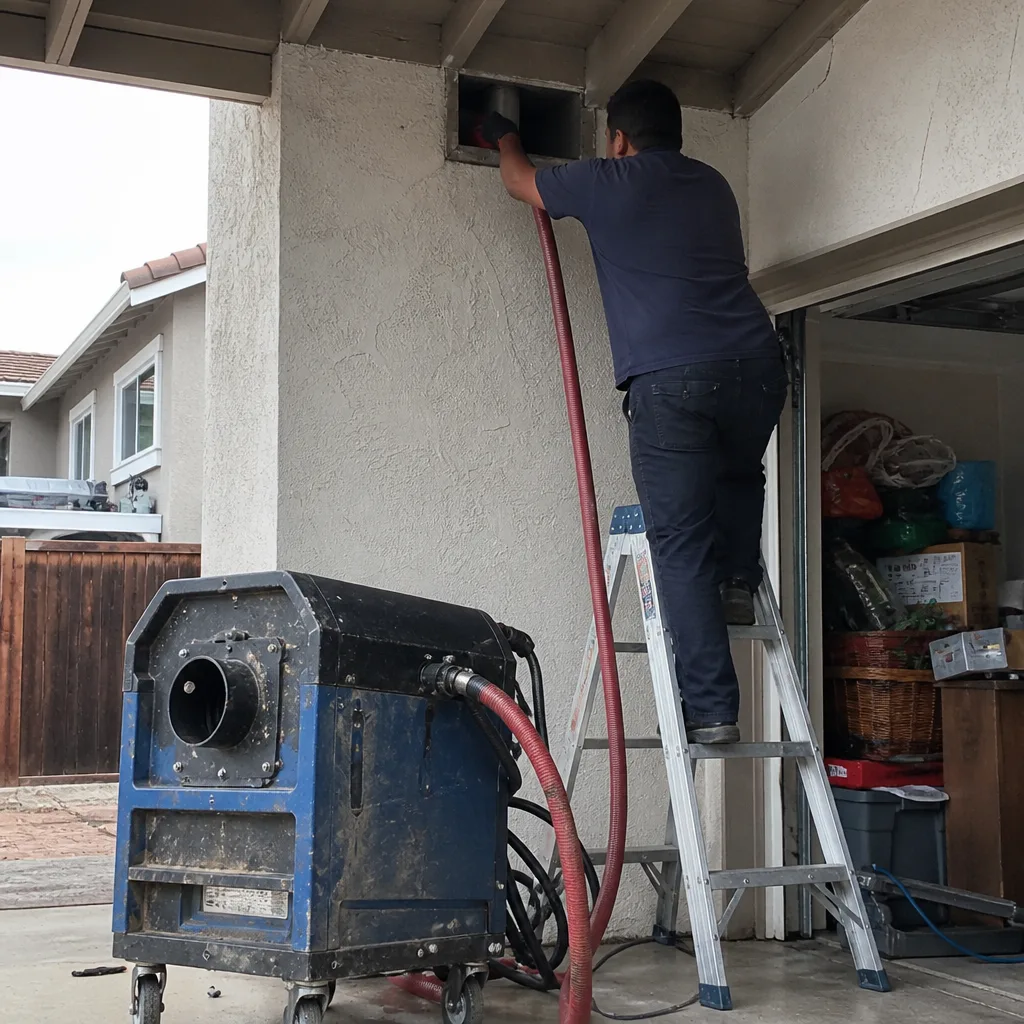 Before
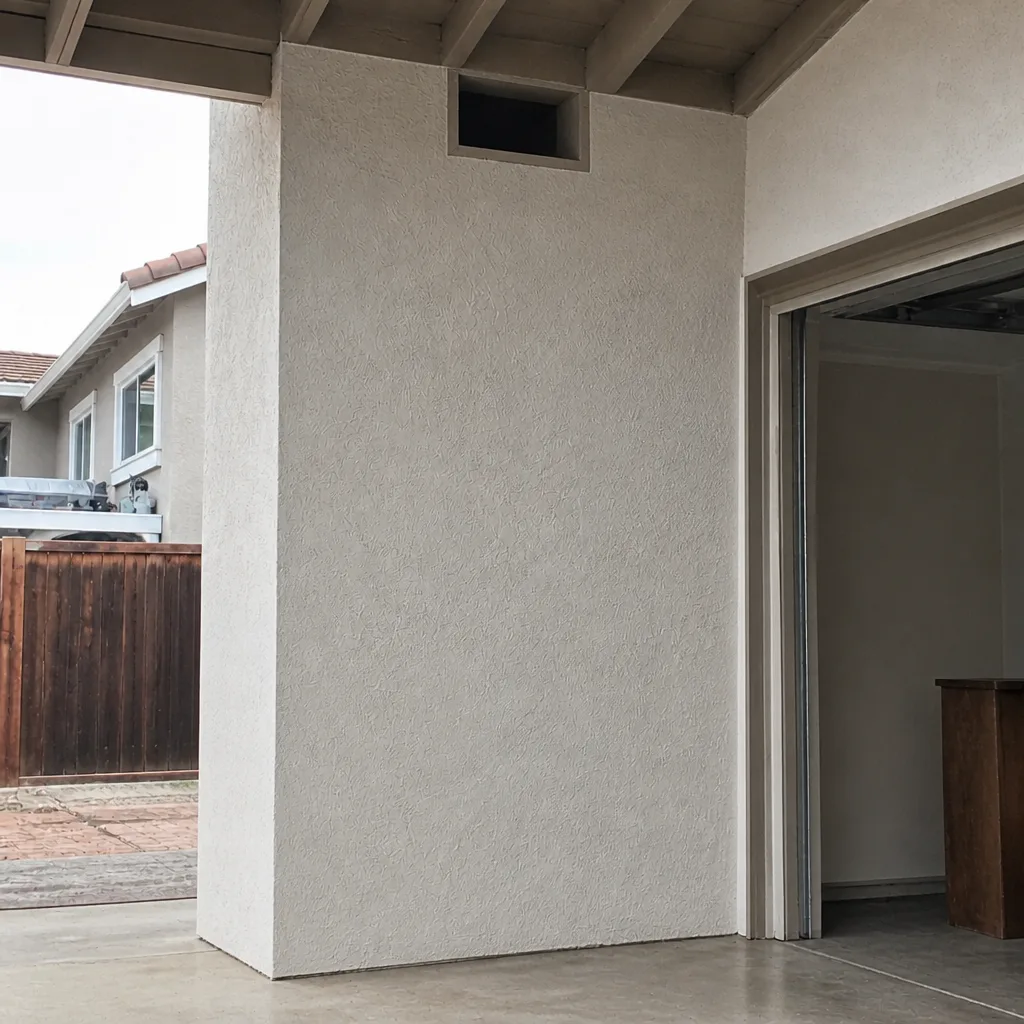 After
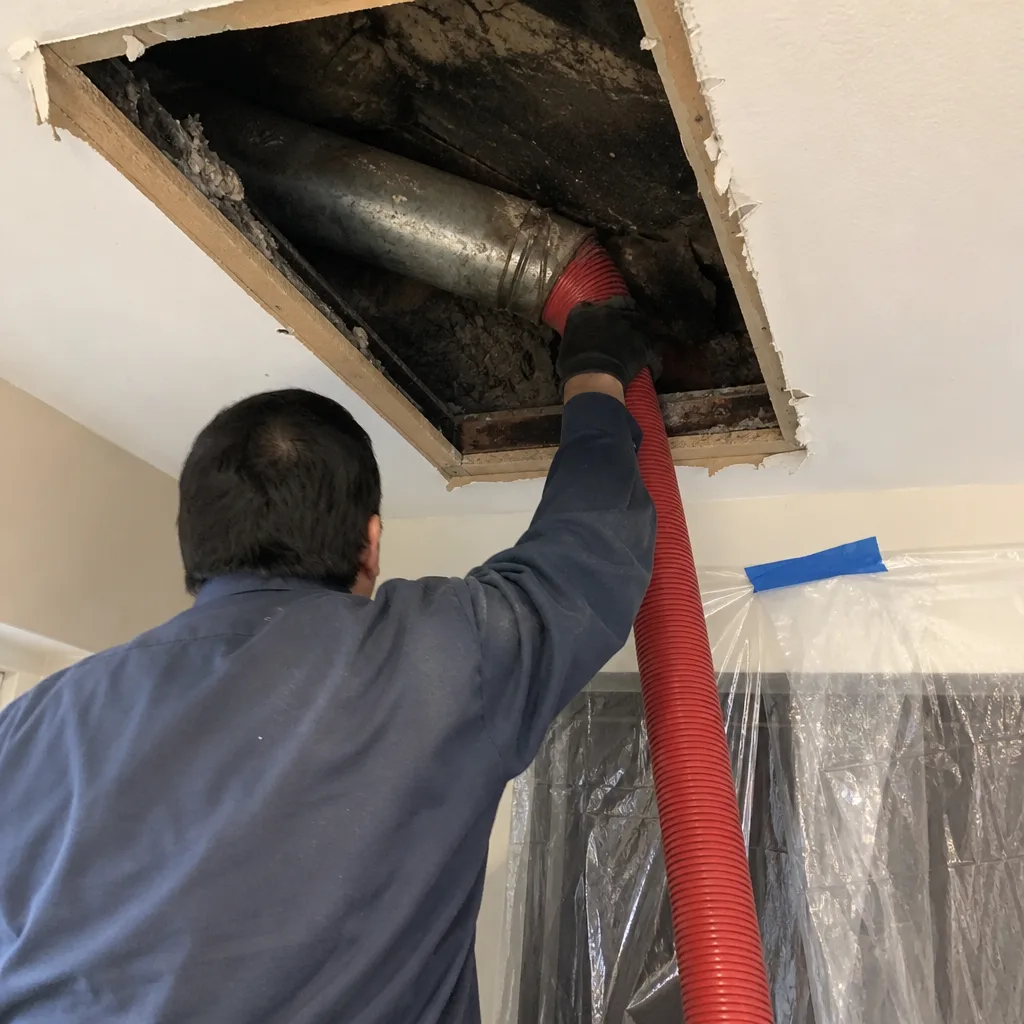 Before
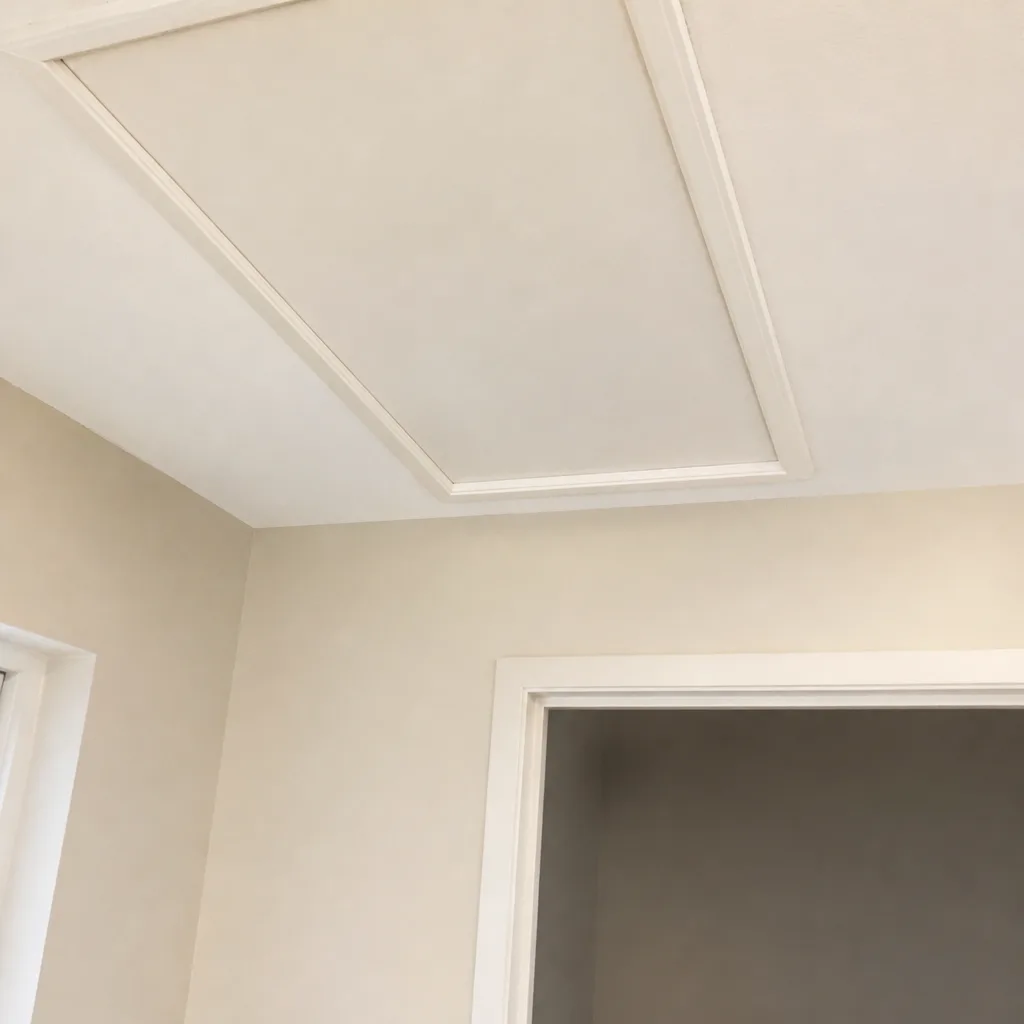 After
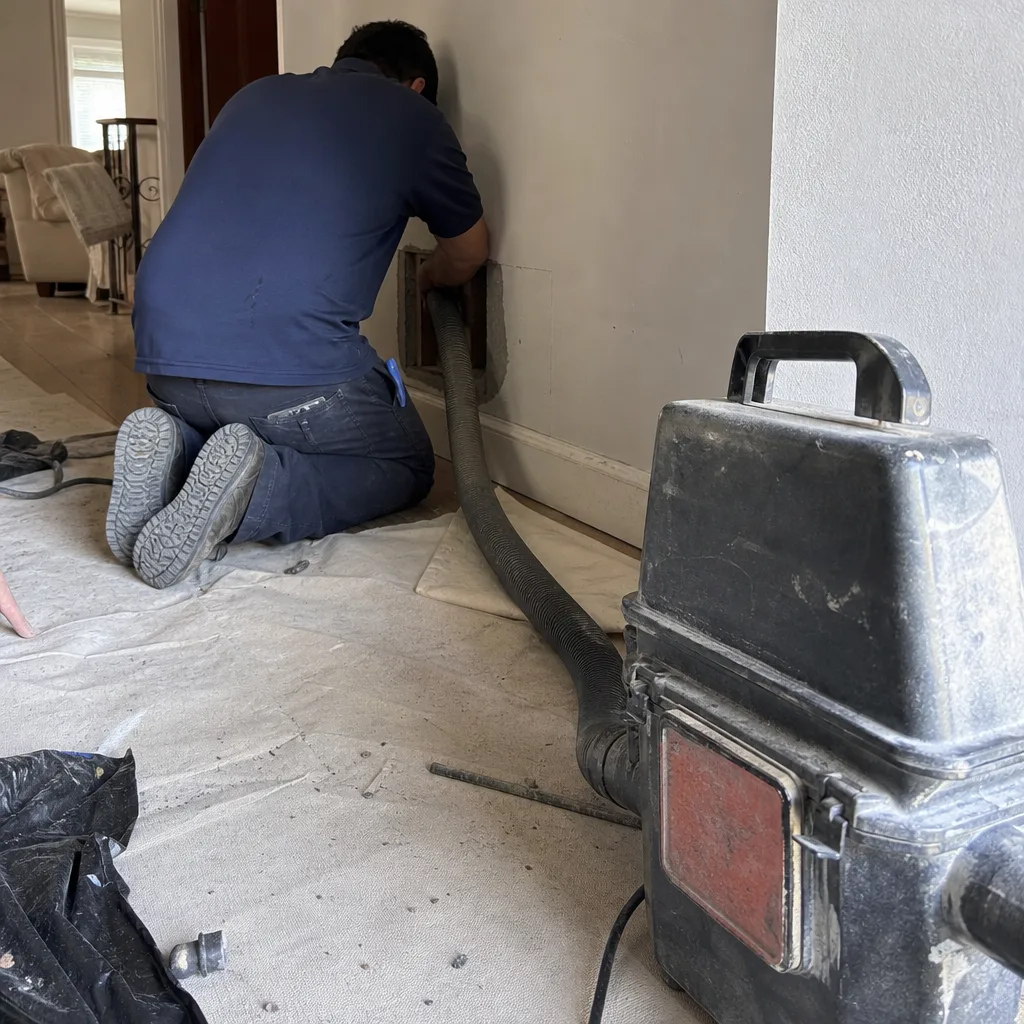 Before
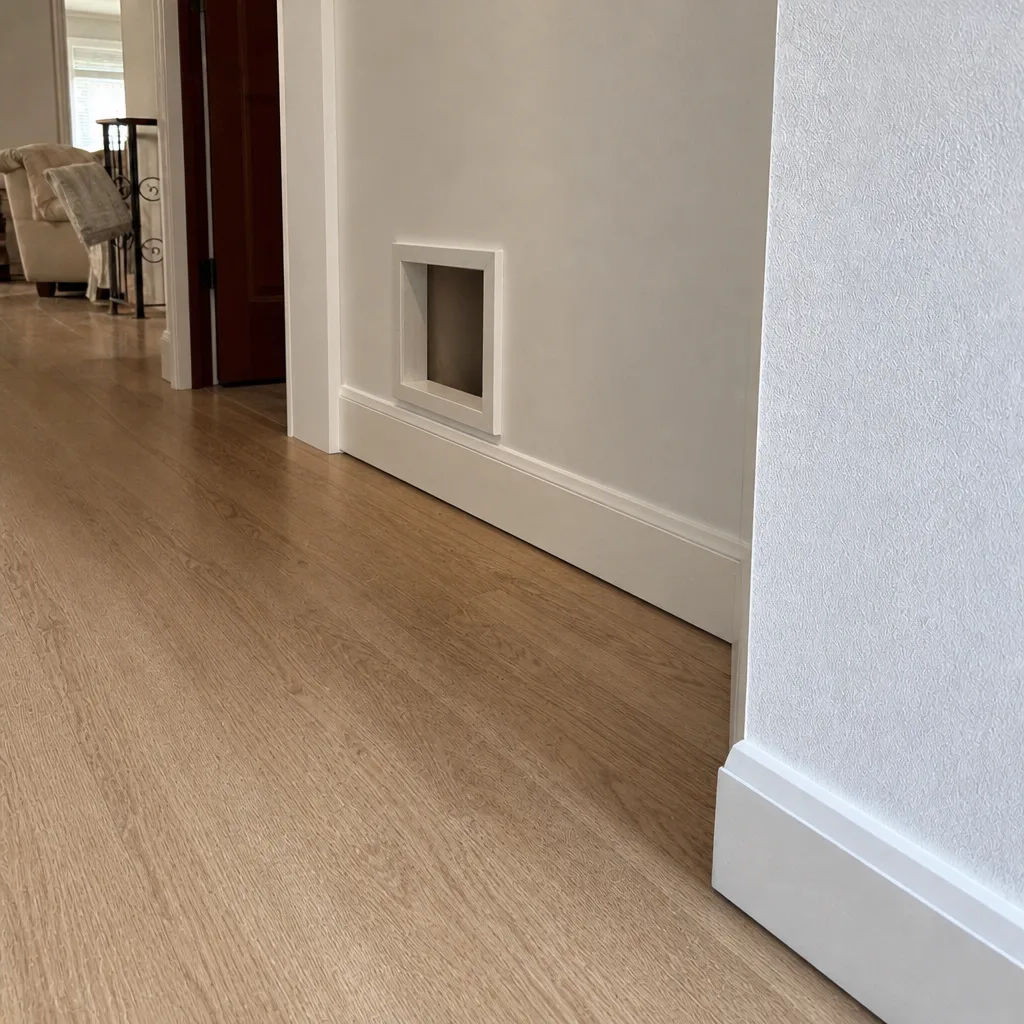 After
When to Call a Professional
Some duct conditions are fine to monitor and some warrant a call. In South Coast Metro, call us when any of these apply: the first heating cycles produce a musty smell that doesn’t clear; a Santa Ana wind event left visible interior dust and a filter change didn’t resolve it; allergy symptoms worsen every morning and nothing else explains it; energy bills rise noticeably without a change in usage; supply vents show uneven airflow between rooms; or you can see loose tape, gaps or fallen insulation on accessible duct runs. Any of those is a sign the system is carrying a load it shouldn’t, or losing conditioned air it shouldn’t. Air Duct Cleaning South Coast Metro offers free estimates in South Coast Metro: call (833) 468-5980. We answer 24/7. Fast dispatch from 7am to 7pm, Sunday through Friday. Our technicians have up to 8 years of experience, and every estimate is a flat price per system agreed in writing before any work starts.
Frequently Asked Questions
Every two to three years is the right cadence for most South Coast Metro homes, with an extra assessment after any significant Santa Ana wind event that deposited visible dust indoors. Homes with pets, allergy-sensitive occupants, or recent wildfire smoke exposure often benefit from a tighter interval. Dryer vents should be checked once a year regardless of the duct-cleaning schedule. If you’re not sure where your system sits in the calendar, call (833) 468-5980 for a free estimate.
Most South Coast Metro duct cleanings land in a range set by system size, number of vents, accessibility and whether repair or sealing is needed, and the written estimate we provide from a free walkthrough is the final word on the price. There is no per-vent billing and no teaser coupon rate that grows once a technician is on site. One flat price per system, agreed before any work starts. Call (833) 468-5980 for an exact quote; estimates are free.
Usually because they’re a different job. A low quote often means an air-whip-only pass with no containment and no ability to repair what’s found. The jobs we run use the Rotobrush rotary-brush system for contact cleaning, Nikro equipment, and Abatement Technologies HEPA containment, and the crew can seal joints and repair the run afterward. Ask any company what equipment they bring and whether they can fix what they find. Call (833) 468-5980 to walk through what a proper clean looks like for your system.
Less than it does at the coastal edge, but mornings with condensation on the outside of supply registers are still common across much of the metro. Any home with uninsulated duct runs through the attic or crawlspace is exposed to the moisture cycle even if the marine layer breaks up early. If you notice a musty smell at first startup, the return side likely needs attention. Call (833) 468-5980 for an assessment.
Photos. We take before-and-after images of your own ducts, not stock images, so you can see what came out and what the interior surface looks like after the clean. That should be a normal part of any duct-cleaning visit. If a company won’t show you the inside of your own system, ask why. Call (833) 468-5980 to schedule an estimate.
Assess first, then clean with HEPA containment if the assessment shows deposition, change the filter after the clean, and consider adding a higher-filtration product only if smoke is a recurring problem. Not every smoke event requires a full clean; a short episode with windows closed usually doesn’t. We install Honeywell and Aprilaire air quality products when an upgrade makes sense. Call (833) 468-5980 for a smoke assessment.
The Bottom Line
Seasonal duct care in South Coast Metro is a local calendar, not a generic one. The marine layer drives a daily moisture cycle on duct surfaces. Santa Ana winds deposit fine particulate that most filters miss. The switch from cooling to heating, in late October to November, is the highest-risk window because deposited dust meets returning moisture and first heat cycles at the same moment. Clean in that window and again in March if needed, check the dryer vent yearly, seal what’s loose, and assess after major smoke events. That’s the whole system, and it fits the climate you actually live in.
If you want a walkthrough of where your own system sits in the calendar, call Air Duct Cleaning South Coast Metro at (833) 468-5980 for a free estimate. We answer 24/7. Fast dispatch from 7am to 7pm, Sunday through Friday.
Written by the team at Air Duct Cleaning South Coast Metro.