
Last updated November 24, 2026
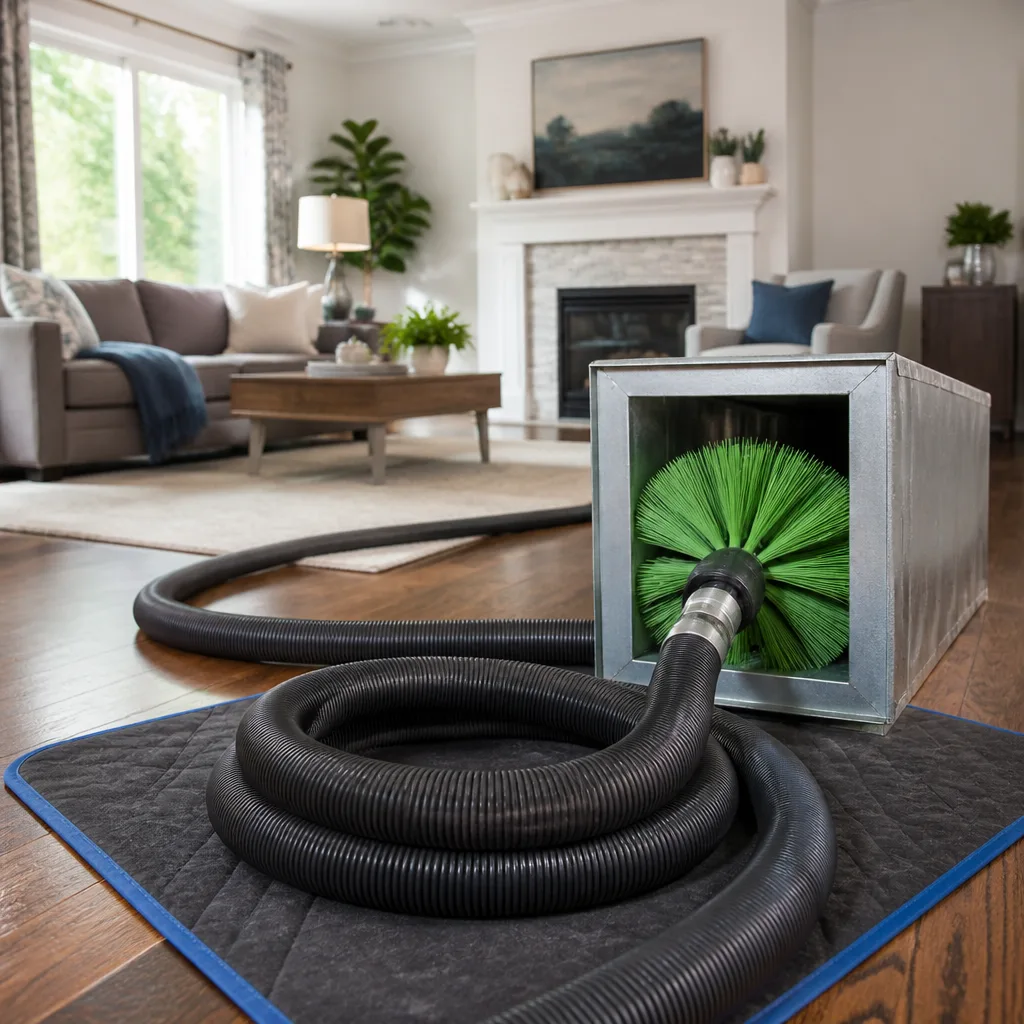 Whole-home duct cleaning
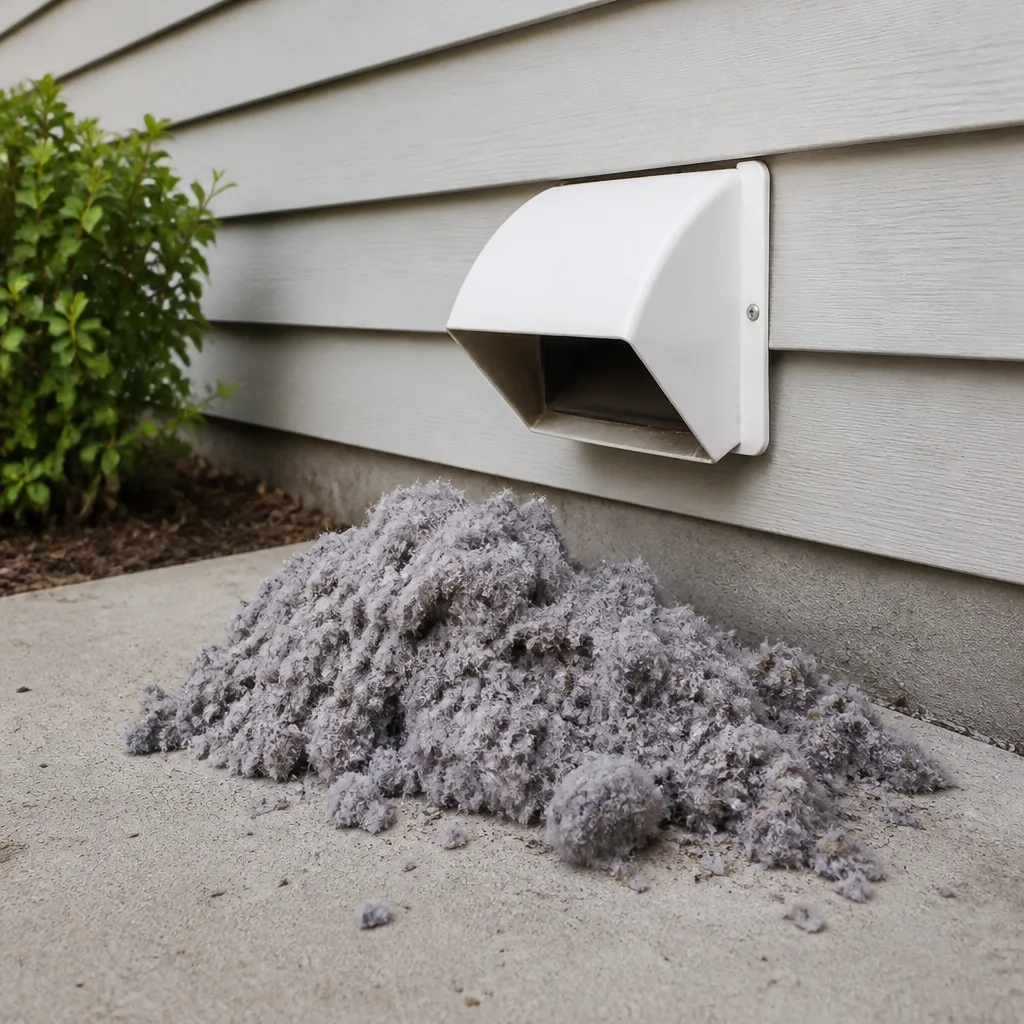 Dryer vent cleaning
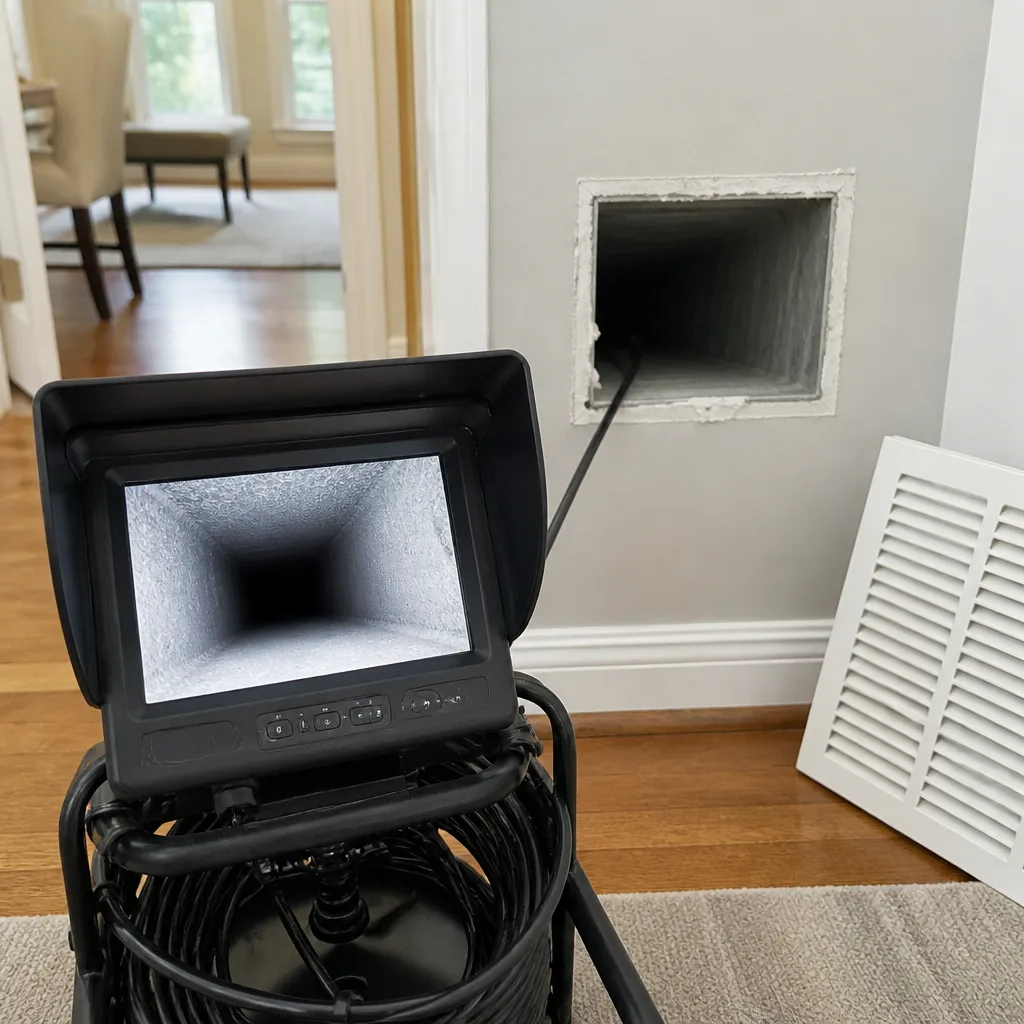 Camera inspection
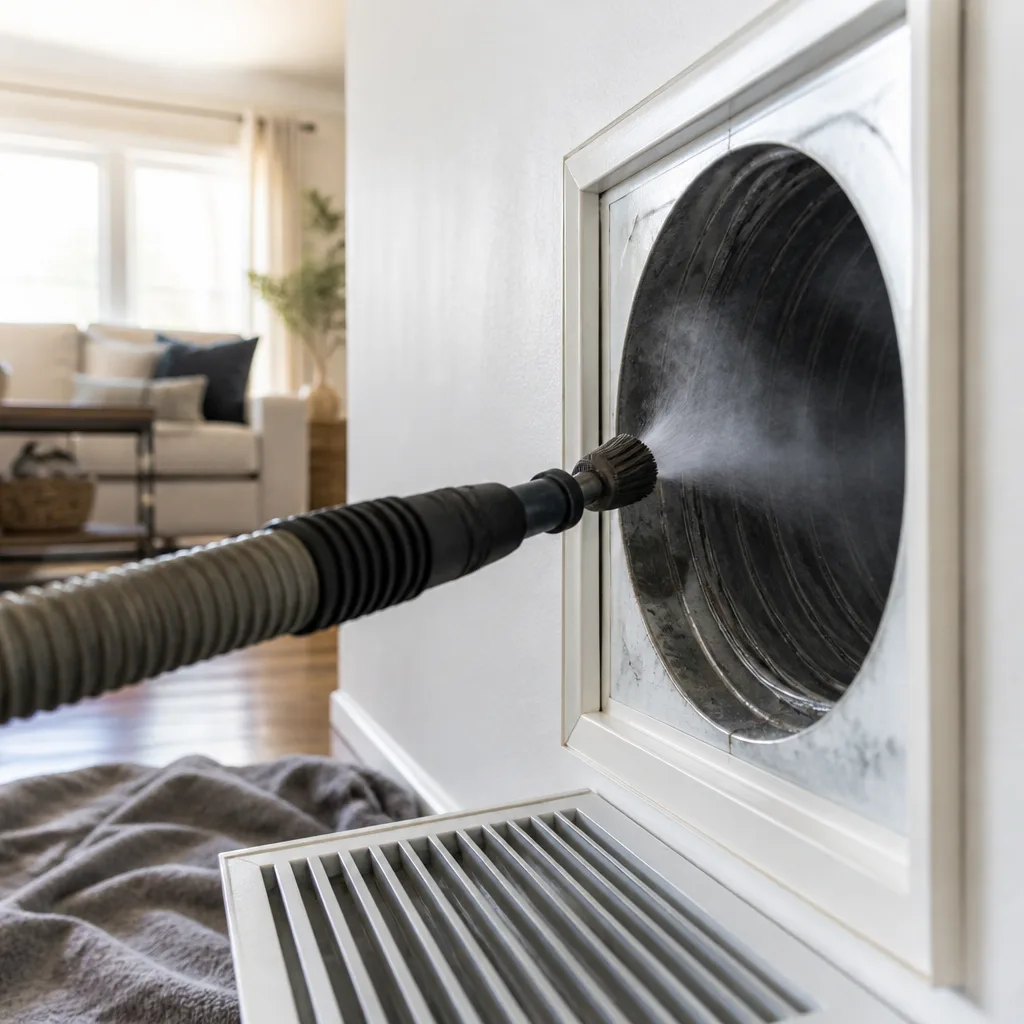 Sanitizing & deodorizing
Whole-system duct and dryer vent check with before-and-after photos - you see exactly what came out of your vents
That "$99 whole-house special" is a bait ad - the real number appears once they are in your hallway, or the "clean" is a shop-vac at the register. We photograph the inside of your ducts before and after instead.
DIY vs Professional Air Duct Cleaning: The South Coast Metro Homeowner’s Decision Guide
Most homeowners frame the DIY-versus-professional question as a matter of money. That framing misses the actual deciding factor, which is physics. Consumer-grade equipment, even a good shop vacuum fitted with a rotating brush kit, cannot generate the negative pressure required to capture the debris it loosens. Loose dust that stays inside the duct is not clean duct – it is relocated dust. This guide explains the technical threshold that separates effective cleaning from contamination redistribution, what South Coast Metro homeowners can legitimately handle themselves, and how to decide which side of that line your home sits on.
Quick Answer
For most South Coast Metro homes, professional air duct cleaning is the right call once ducts show real contamination – visible buildup, musty odor, pest evidence, or a recent renovation. DIY work pays off only for surface tasks: pulling and washing grilles, changing filters, and clearing debris at the register. The dividing line is negative-pressure containment, and consumer vacuums cannot reach it.
Styles & brands we work with
- Whole-home duct cleaning
- Dryer vent cleaning
- Camera inspection
- Sanitizing & deodorizing
Table of Contents
- The Physics Problem: Why Negative Pressure Decides the Outcome
- What You Can Legitimately Do Yourself
- When DIY Makes Contamination Worse
- How South Coast Metro Conditions Raise the Stakes
- The Decision Matrix: Four Factors That Point to a Pro
- What Professional Equipment Actually Does
- What a Professional Cleaning Involves, Step by Step
- Cost Expectations and Why Cheap Quotes Miss the Point
The Physics Problem: Why Negative Pressure Decides the Outcome
A shop vacuum attached to a rotating brush, the standard DIY setup, generates roughly one inch of water column static pressure. A professional truck-mounted system generates eight to twelve. That gap is the whole conversation. Negative pressure is what holds dislodged debris in suspension so it can be captured at the source rather than settling into the next run of duct or floating into the room.
When you brush a duct with weak suction behind it, you are doing the mechanical work without the containment work. Dust that has bonded to the duct wall for years gets broken loose and pushed into the airstream, then drops into elbows, plenum transitions, and register boots where it never had a chance to accumulate before. The duct looks cleaner at the register. The system as a whole carries more loose particulate than it did before you started, and every time the blower cycles on, that particulate moves.
This is why containment equipment matters as much as suction. Abatement Technologies negative-air and HEPA containment tools are the same class of gear used in remediation work, and they exist for one reason: to keep what comes out of a duct from going anywhere except a filter. A cleaning that loosens contamination without correct containment is not a partial cleaning. It is a redistribution event.
For South Coast Metro homes, where ducts often run through tight attic and chase spaces with limited access, the pressure threshold matters more, not less. Short runs and sharp transitions are where debris collects, and they are also where weak suction fails first. You can read more about how we approach the whole pathway in our guide to Air Duct Cleaning South Coast Metro.
What You Can Legitimately Do Yourself
There is a real list of tasks homeowners should handle without calling anyone, and doing them well extends the life of a professional cleaning considerably. The key is staying at the register – the outermost layer of the system – and not reaching past it.
- Remove and wash the supply and return grilles. Most grilles lift out with two screws or a friction clip. Dish soap, warm water, and a soft brush handle years of dust film. Let them dry fully before reinstalling so you don’t introduce moisture into the boot.
- Vacuum visible debris from the register boot. A crevice tool on a household vacuum reaches the first few inches of the boot where dust piles up at the grille line. Stop at the point where the boot meets the duct run.
- Check and change filters on schedule. A clogged filter starves airflow, raises static pressure in the wrong direction, and forces the blower to work harder. This is the single highest-value maintenance task in the entire system and it costs almost nothing.
- Do a visual inspection with a flashlight. Look into the boot after removing the grille. You are checking for pest droppings, mold growth, standing moisture, or a collapsed flex run – not trying to assess the whole system.
- Keep the return side clear. Furniture, rugs, and storage boxes pressed against return grilles cut return airflow and pull dust through every gap in the duct seams instead.
What all five tasks have in common is that none of them require reaching into a duct run with a tool. That boundary is deliberate. For routine maintenance of the air pathway, our air duct cleaning service is built around the source-side work these tasks can’t reach.
When DIY Makes Contamination Worse
Some duct configurations or contamination types flip the risk profile entirely. In these situations, aggressive brushing by an untrained hand does not just underperform – it can physically damage the duct or spread a problem that was contained.
- Fiberglass duct liner. Interior liner is a friable surface. A rotating brush run at the wrong speed or angle tears the facing, exposes raw fiberglass, and sends particles into the airstream permanently. Once liner is damaged, the fix is replacement, not cleaning.
- Flex duct. The inner liner of flex duct is thin and easy to snag. A shop-vac brush head catches on the wire helix, tears the liner, and creates a leak you will never see from the register.
- Biological growth. Mold and mildew colonies release spores when disturbed. Without HEPA containment at the point of disturbance, a DIY attempt aerosolizes spores through the occupied space. This is one to leave alone entirely.
- Pest contamination. Rodent droppings and nesting material carry real health risk when disturbed dry. Professional cleaning uses containment and appropriate protection; a homeowner with a shop vac does not.
- Asbestos-era duct wrap. Some older duct systems have exterior wrap or tape that may contain asbestos. Disturbing it is a serious hazard. If you don’t know what you’re looking at, stop.
In our experience, the calls that turn into repair work most often started with a homeowner who tried to solve a liner or flex problem with a brush kit. Repair and sealing exists as a service because that damage is common enough to plan for. You can see how it fits into the wider scope on our HVAC cleaning page.
How South Coast Metro Conditions Raise the Stakes
Duct contamination behaves differently depending on what the local air carries, and South Coast Metro’s air is not the dry, low-particulate air of an inland desert market. Fine particulate from freeway corridors and dense development settles into return grilles faster here. Mild winters mean HVAC systems run year-round, so the blower moves that particulate through the system for more hours of the year, not fewer.
Moisture is the second factor. Coastal-influenced humidity, even in a mild climate, gives biological growth a foothold inside ducts that drier inland markets simply don’t have to think about as much. Condensate management and duct insulation condition matter more when the ambient air holds moisture. A duct system that stays slightly damp and slightly dusty is the ideal environment for mildew to establish and hold.
Put those together and the stakes of an incomplete cleaning go up. In a dry market, leftover loose debris mostly just recirculates. In South Coast Metro, leftover debris plus ambient moisture plus near-continuous runtime gives that debris a chance to become a biological problem. That is why the containment and extraction standard matters more here, not less – and why a DIY attempt that redistributes dust instead of removing it is a bigger risk than it would be fifty miles inland.
The third factor is housing stock. Much of South Coast Metro’s residential inventory includes older construction with duct systems that have been retrofitted, patched, or extended over time. Seams that leak are common, and a leaky duct in a humid microclimate pulls unconditioned attic or chase air directly into the airstream. Sealing is often the higher-value fix, and it is a service most discount crews don’t offer at all.
The Decision Matrix: Four Factors That Point to a Pro
Four factors separate homes where DIY is reasonable from homes where it is a mistake. Score your own situation against each and the answer usually becomes obvious.
- Home age. Homes built before the 1990s are more likely to have duct liner, patched runs, or materials you can’t identify from the register. The older the system, the more caution is warranted.
- Duct material type. Sheet metal with hard pipe is the most forgiving surface for any cleaning method. Fiberglass-lined or flex duct is where DIY risk concentrates. If you don’t know which you have, that alone is a reason to have it looked at.
- Contamination source. Routine dust accumulation after a filter-change lapse is a low-risk category. Renovation dust, water intrusion, pest activity, or visible biological growth are high-risk categories and belong to a professional every time.
- Health sensitivity. Households with asthma, allergies, or respiratory conditions should not accept the redistribution risk. The whole point of cleaning is to reduce airborne particulate; a method that adds to it works against the goal.
A simple rule: two or more high-risk answers on that list means it’s a professional job. If you’re in a newer home with hard-pipe ducts, no health sensitivity, and just want the accumulation cleared before summer, a professional cleaning is still the more effective choice but it is less urgent. South Coast Metro homes near major corridors tend to hit the particulate factor hard regardless of age.
What Professional Equipment Actually Does
Equipment is not a sales talking point – it is the mechanism that determines whether contamination leaves the house or just moves around inside it. Naming the actual machines is more useful than describing them in adjectives.
The core cleaning tool is a professional Rotobrush rotary-brush system, which puts a spinning brush head in direct contact with the duct interior while a high-flow vacuum pulls behind it. That combination is what reaches bonded dust on the duct wall and removes it rather than shearing it loose into dead air. The vacuum side of the system carries the containment load. Nikro-certified HVAC cleaning equipment handles the larger-volume extraction, and Abatement Technologies HEPA containment holds the contamination stream during the process.
The part most homeowners never see is what happens when the cleaning reveals a problem. Loose seams, disconnected runs, crushed flex, and gaps at the plenum are common findings. A crew that only cleans can only document them. We can repair and seal them – which addresses the reason dust re-enters the system in the first place. That’s the difference between cleaning and fixing.
After the clean and seal, air quality products matter. Honeywell and Aprilaire filtration and humidity products are the natural next step when the ducts are finally clean and you want to keep them that way. Sanitizing is the final layer of a complete protocol, not a substitute for cleaning. All of this runs under one service relationship because it’s all one air pathway. You can see the full scope and request a free estimate through dryer vent cleaning as well – the same containment discipline applies, and the fire risk makes it more urgent than most homeowners realize.
What a Professional Cleaning Involves, Step by Step
The sequence matters as much as the equipment. Cleaning in the wrong order moves contamination into runs that were already clean.
- System assessment. Before anything moves, the technician maps the duct layout, identifies duct materials, and checks for liner damage, disconnected runs, or moisture. This step often determines the plan.
- Containment setup. Negative-air and HEPA containment is established at the access points so the cleaning environment is controlled before work begins.
- Source-side extraction. Rotary-brush contact cleaning with high-flow extraction runs from the main trunk back through each branch, working toward the collection point rather than away from it.
- Supply and return coverage. Both sides get cleaned. A crew that only cleans the supply side leaves the entire return pathway – where dust actually accumulates first – untouched.
- Repair and seal. Any gaps, disconnected joints, or damaged sections are repaired and sealed while access is open. This is the step that prevents re-contamination.
- Verification. Before-and-after photos of your own ducts document what was found and what was removed. This is also how you verify that the work described in the invoice actually happened.
- Optional air quality upgrade. If filtration or humidity control is warranted, Honeywell or Aprilaire products can be installed now, when the system is clean and the installation has the most impact.
For South Coast Metro homes, the assessment step often surfaces sealing work that changes the priority order. A leaky return chase in a humid microclimate can matter more than the dust itself.
Cost Expectations and Why Cheap Quotes Miss the Point
Duct cleaning is priced per system, not per vent, and the honest way to evaluate a quote is to ask what it covers. A whole-system clean with containment, return-side coverage, and before-and-after photos costs more than a register-to-register blowout because it involves more equipment and more time. The gap between the two quotes is the gap in what actually happens inside your duct.
When a quote looks dramatically cheaper than the others, ask three questions: Is the return side included? Is containment equipment used? Will you get before-and-after photos of your own ducts? A quote that can’t answer all three is a blowout, not a cleaning. The coupon model works by attracting the call with a low number and expanding the invoice on site once the technician is in the house. One flat price per system, agreed before work starts, is the way to avoid that entirely.
Because pricing depends on system size, duct material, access, and whether repair or sealing is needed, the responsible approach is a written estimate after the assessment – not a number pulled from a webpage. Estimates are free, and the written estimate sets the final price. For dryer vents specifically, the fire-prevention value justifies the cost regardless of how the duct was installed, and that work is worth folding into the same visit.
Common Mistakes to Avoid
- Buying the cheapest coupon and expecting a full-system clean. A low teaser price usually covers one side of the system, with the return side added as an upsell once the technician is on site. Ask what the quote covers before booking.
- Running a shop vac into a fiberglass-lined duct. The liner tears, and once it does the damage is permanent. Leave lined ducts to a professional even if the surface looks clean from the register.
- Cleaning during or right after a renovation. Drywall dust and construction debris are the heaviest contamination load a residential system ever sees. Cleaning before the work just coats the fresh ducts. Wait until the renovation is done and the final cleanup is complete.
- Skipping the return side. Most dust enters the system through the returns and accumulates there first. A supply-only clean leaves the heaviest load untouched.
- Never checking filters. A clogged filter forces the blower to pull air through gaps and seams instead of the return. It’s the cheapest fix on this list and the most neglected.
- Assuming cleaning fixed a leak. Cleaning removes dust. It does not seal seams. In South Coast Metro’s humidity, an unsealed leak keeps pulling conditioned air out and unconditioned air in, and re-contamination starts immediately.
- Accepting a cleaning with no verification. If the crew can’t show before-and-after photos of your ducts, you have no way to know the work described actually happened.
See the difference
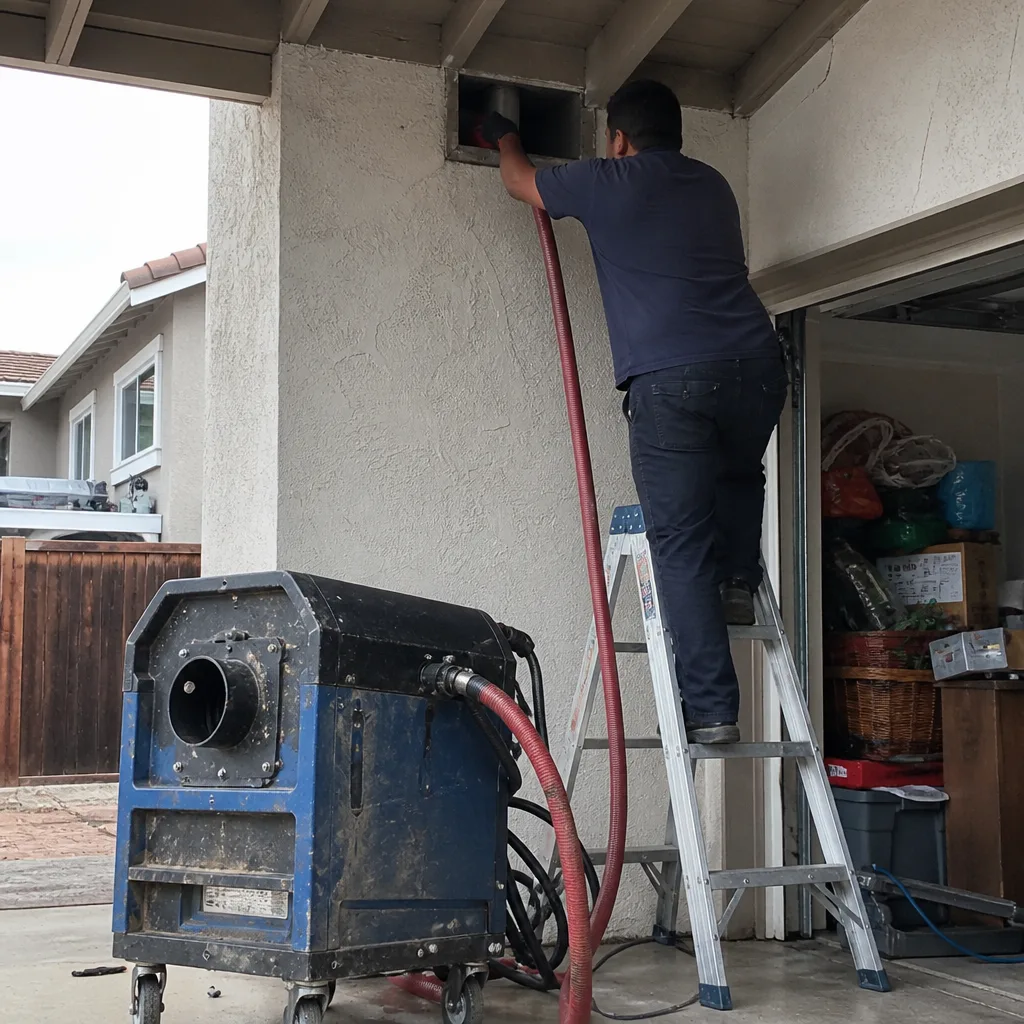 Before
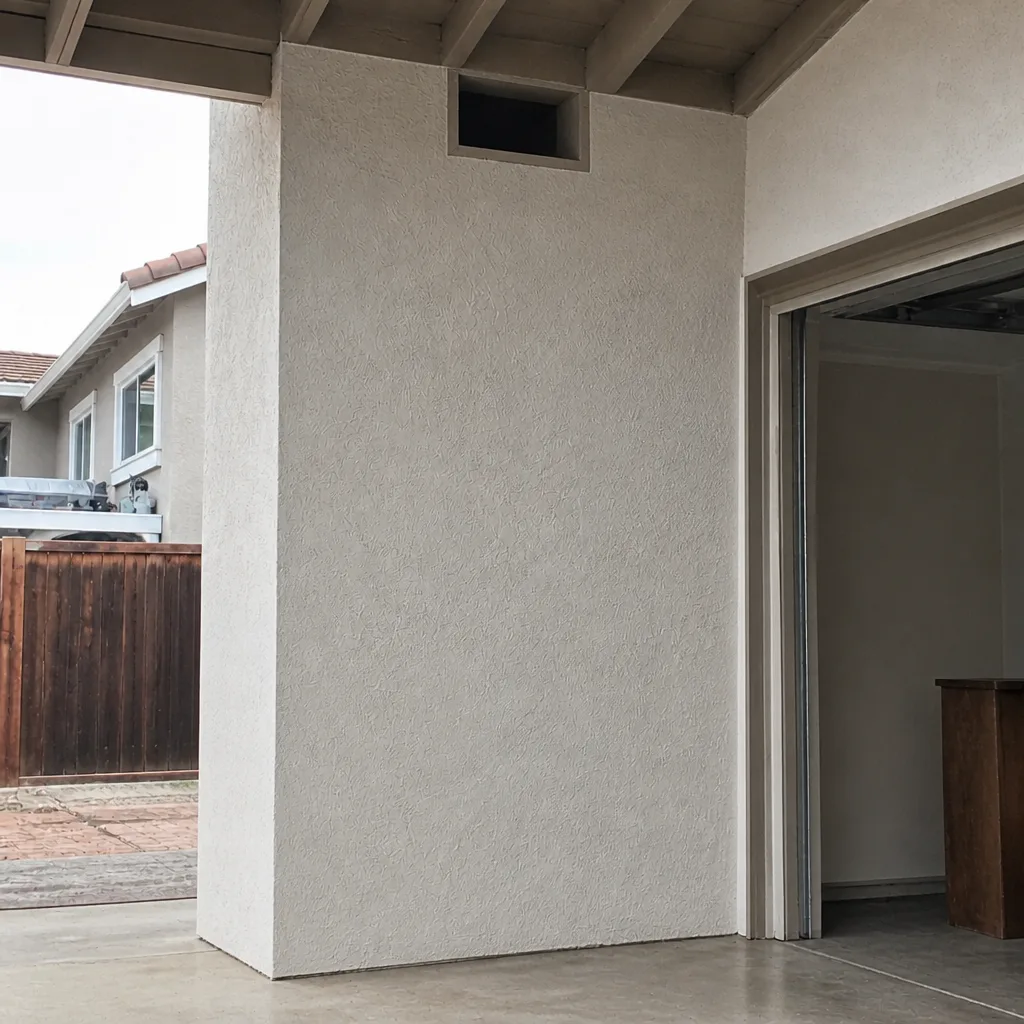 After
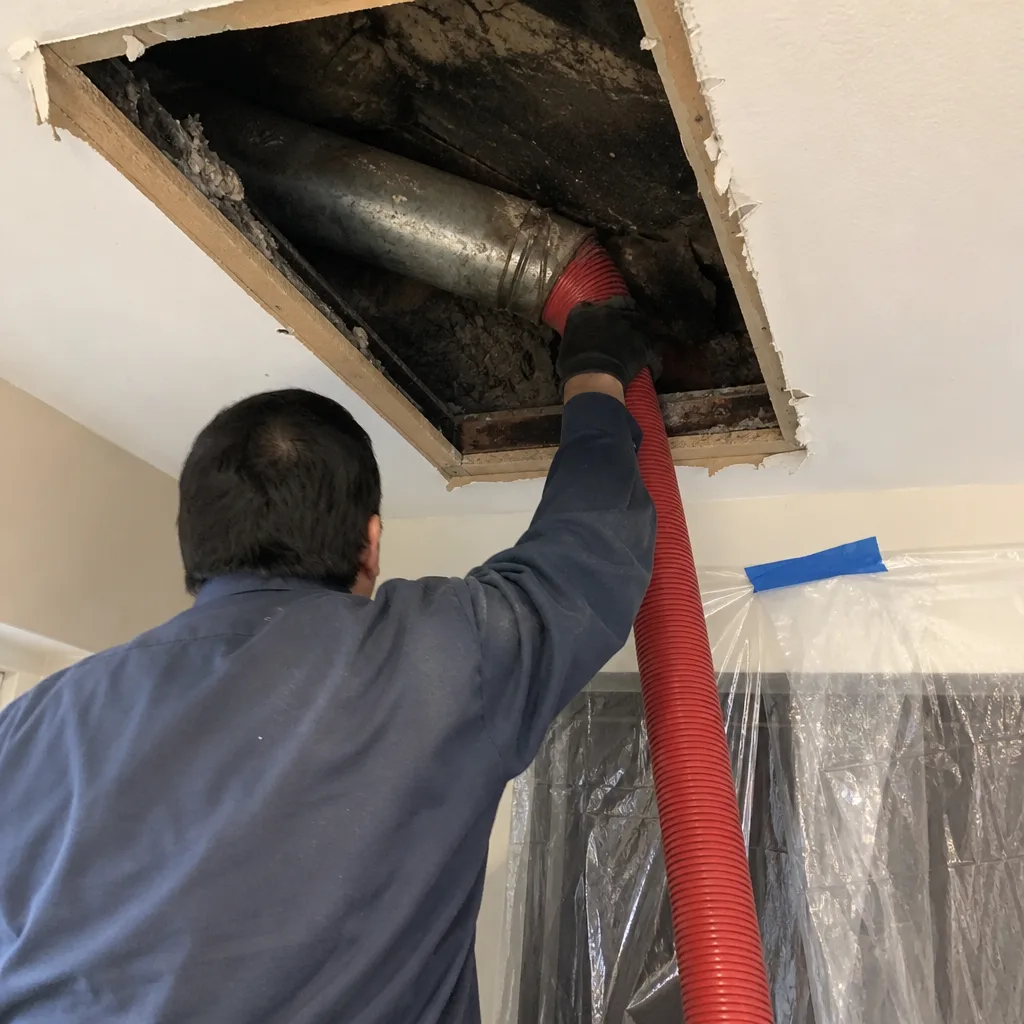 Before
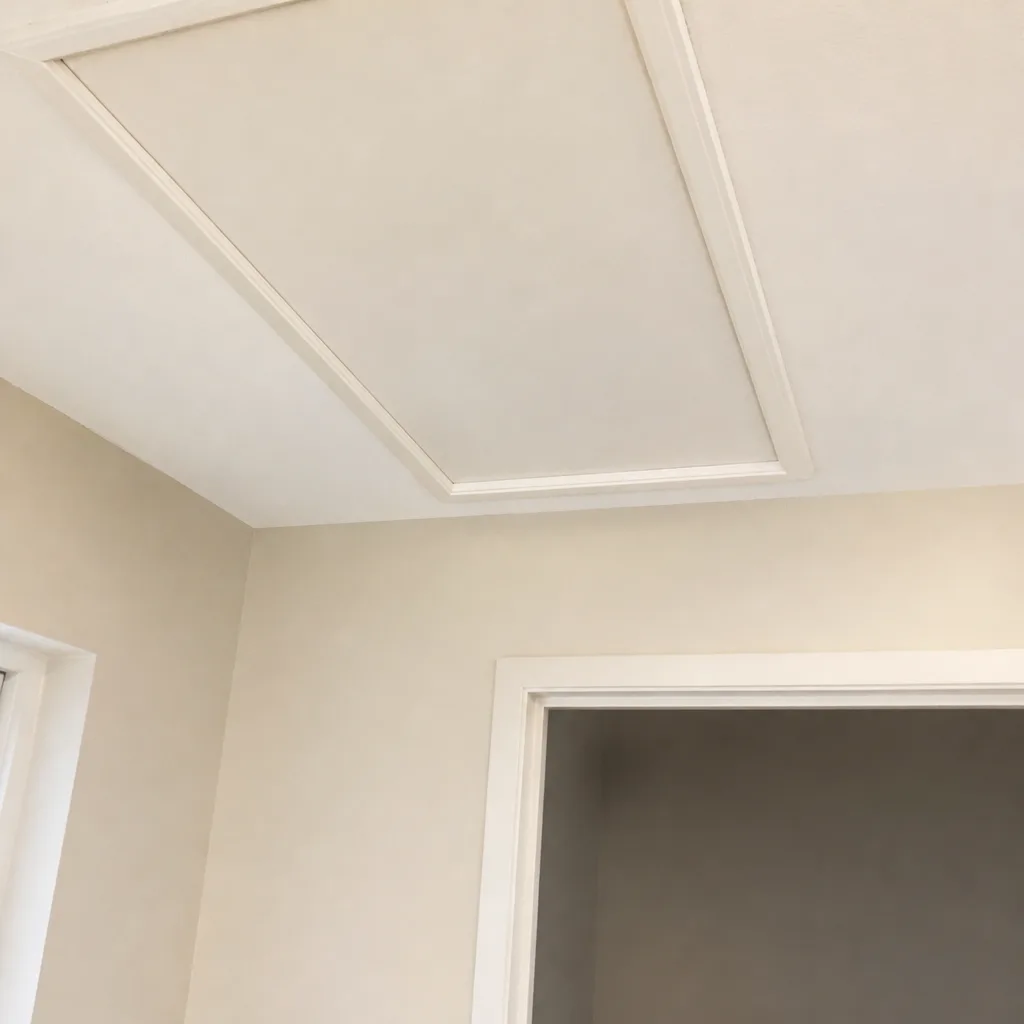 After
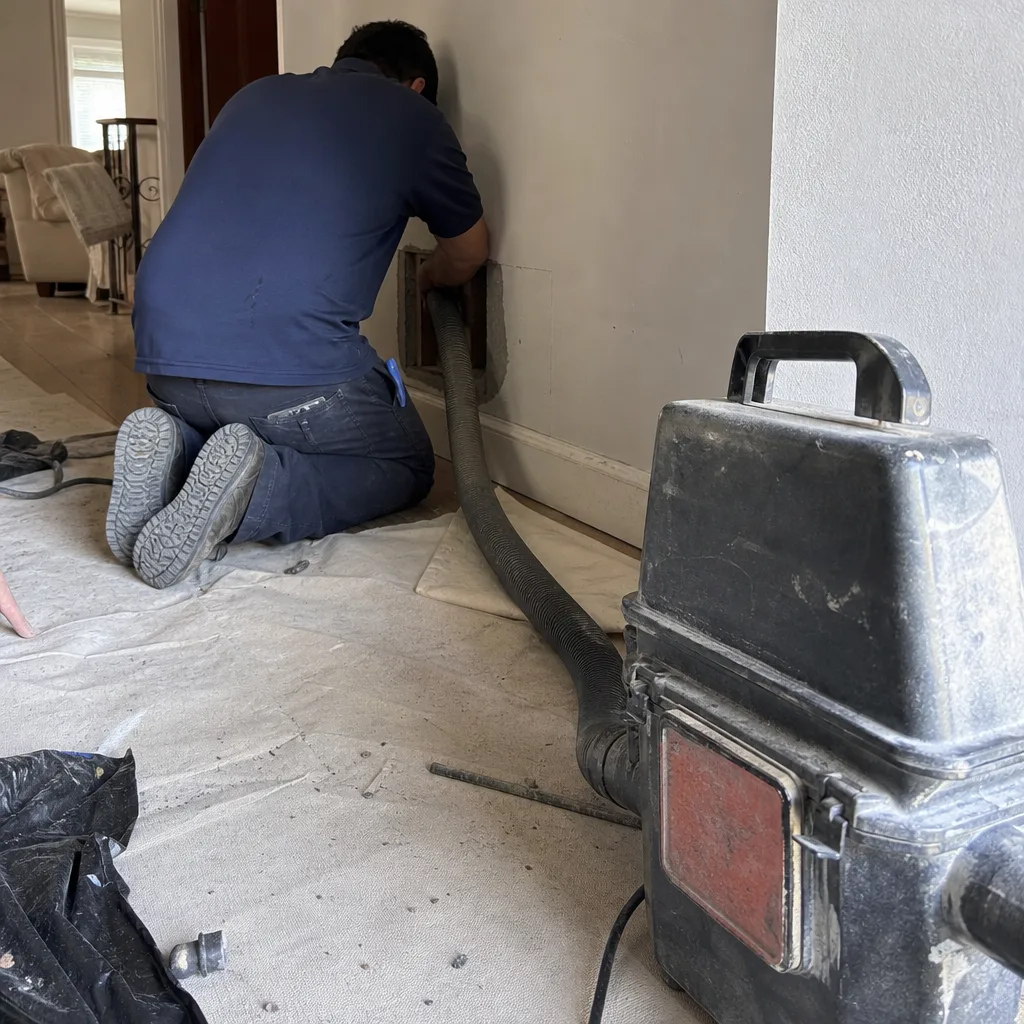 Before
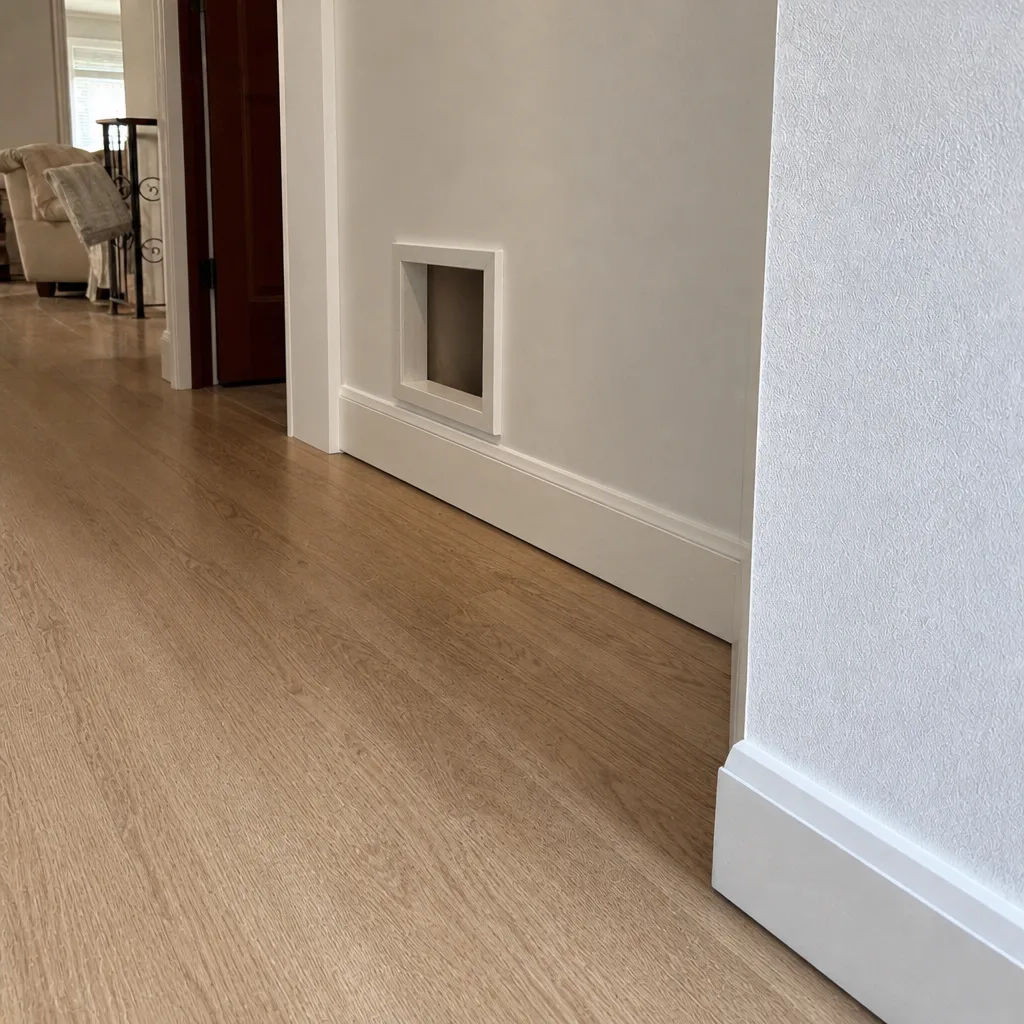 After
When to Call a Professional
Call a professional when the contamination source is anything other than routine dust, when the duct material is liner or flex, when there’s been water intrusion or pest activity, or when anyone in the home has respiratory sensitivity. Those four conditions account for nearly every case where DIY turns a small problem into a larger one. Call us as well if you’ve never had the system assessed and don’t know what it’s made of – a look inside the ducts answers questions a visual check at the register can’t.
Air Duct Cleaning South Coast Metro offers free estimates in South Coast Metro – call (833) 468-5980. Our technicians have up to 8 years of experience, and the work runs under one flat price per system agreed before anything starts. We answer 24/7. Fast dispatch from 7am to 7pm, Sunday through Friday.
Frequently Asked Questions
Pricing is set per system, not per vent, and depends on system size, duct material, access, and whether repair or sealing is needed. The written estimate after assessment sets the final price, and you’ll have a flat number before any work begins. Call (833) 468-5980 for an exact quote – estimates are free.
You can clean the register level – grilles, boots, and filters – but you cannot reach the negative pressure needed to capture debris inside the duct run. A shop vac generates roughly one inch of water column; professional systems generate eight to twelve. Brushing without that suction redistributes dust rather than removing it.
Cheap quotes usually cover a register-to-register blowout without containment, return-side coverage, or verification. The low number is designed to get the technician in the door, where the invoice expands on site. Ask what’s included before booking, and ask for before-and-after photos of your own ducts.
Ask for before-and-after photos of your own ducts, not stock images. Photos taken at the access points during the job are the cleanest verification. A crew that won’t provide them has left you nothing to check against.
Every three to five years is typical for most homes, but contamination source matters more than the calendar. Renovation, water intrusion, pest activity, or a filter-change lapse all call for cleaning sooner regardless of the interval. South Coast Metro homes near major corridors tend to need the particulate side addressed on the shorter end of that range.
It matters more, because coastal-influenced humidity plus near-continuous runtime gives leftover debris a chance to become a biological problem. In a drier inland market, unremoved debris mostly just recirculates. Here, moisture gives it a foothold.
The liner tears and the damage is permanent. Raw fiberglass particles stay in the airstream after the tear, and the only fix is replacement, not cleaning. Have lined ducts assessed before anything is inserted.
The Bottom Line
DIY duct cleaning answers a cost question. The real question is a physics one, and it comes down to negative-pressure containment. Handle the register-level work yourself: grilles, boots, filters, visual checks. Stop there. Everything past the boot requires equipment that can loosen contamination and capture it in the same motion, and in South Coast Metro’s humidity, incomplete cleaning carries more risk than it does inland. If your ducts are lined, flex, water-damaged, pest-contaminated, or in a home with health sensitivity, the answer is a professional every time, with a flat price per system and photos to prove the work.
Call (833) 468-5980 for a free estimate. One flat price per system, before-and-after photos of your own ducts, repair and sealing available under the same visit. We answer 24/7. Fast dispatch from 7am to 7pm, Sunday through Friday.
Written by the team at Air Duct Cleaning South Coast Metro.