
Last updated November 24, 2026
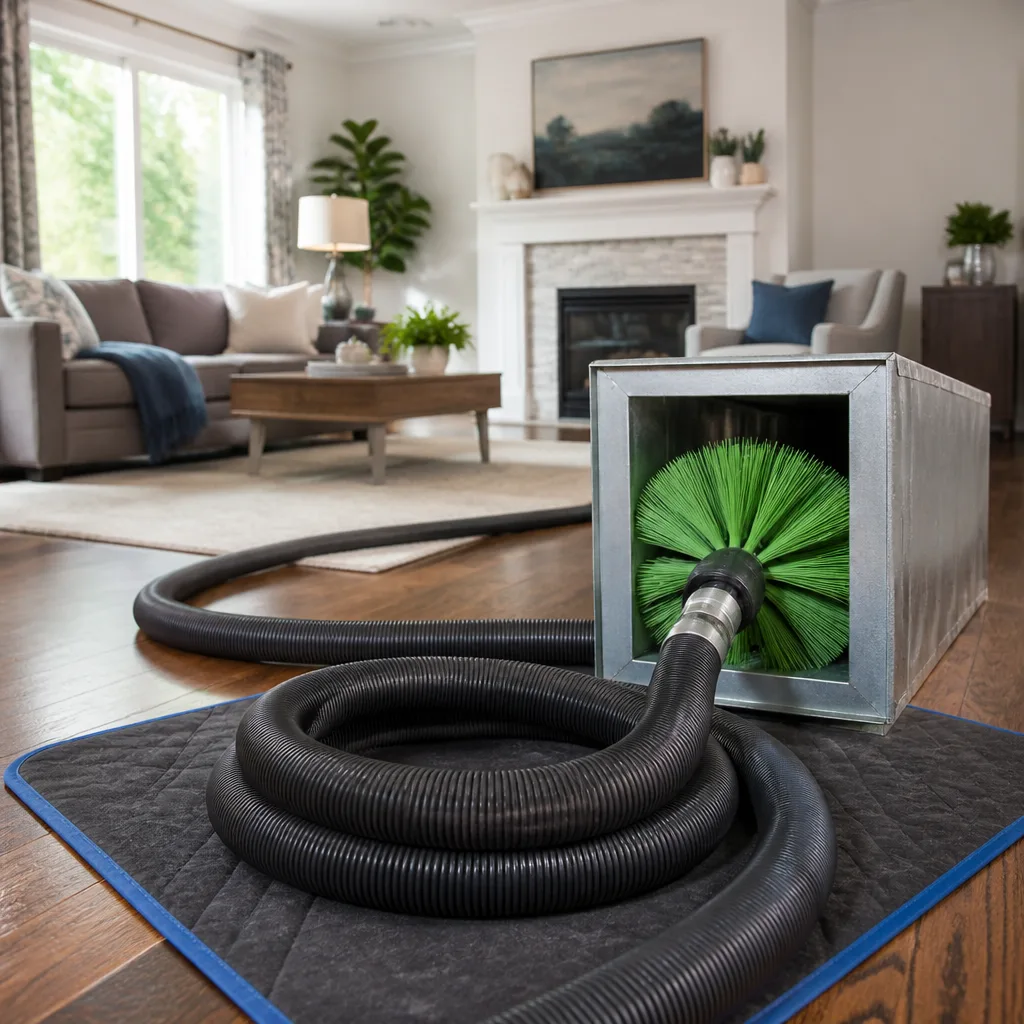 Whole-home duct cleaning
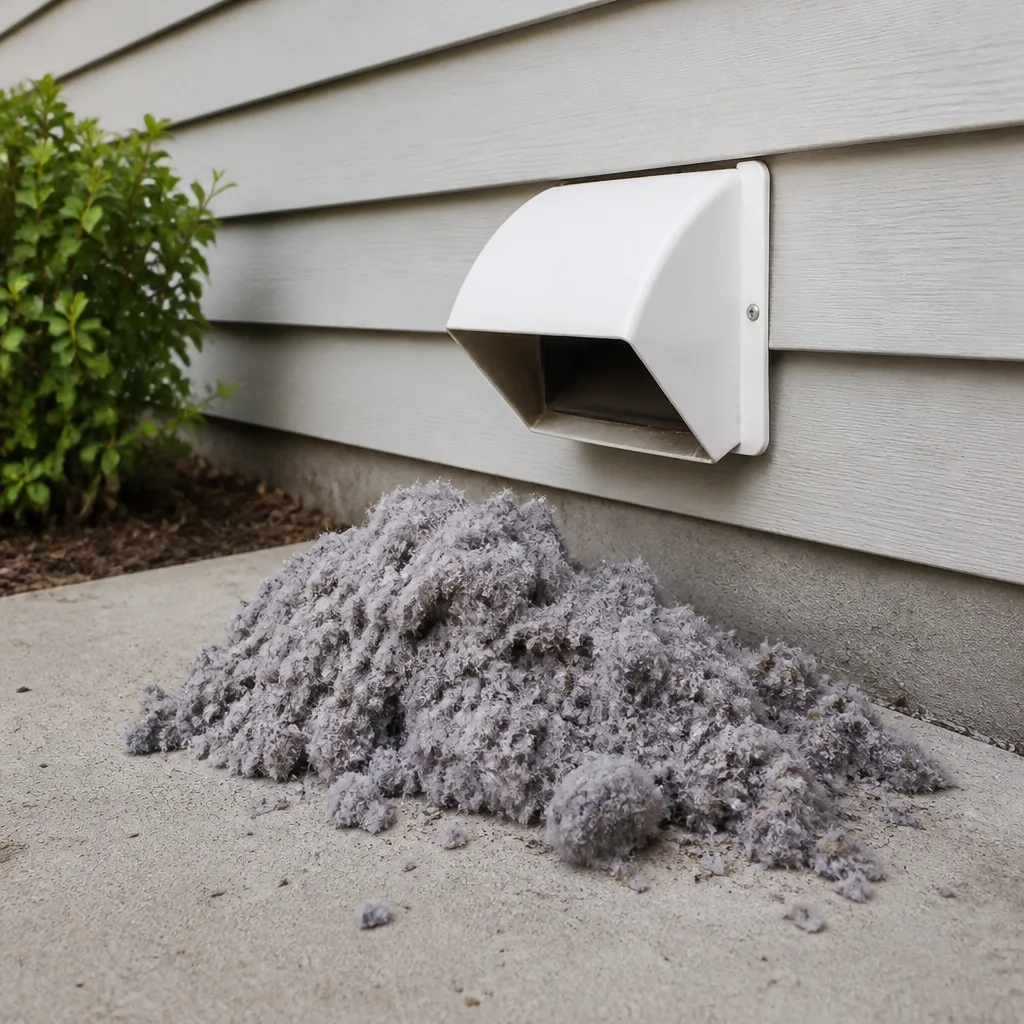 Dryer vent cleaning
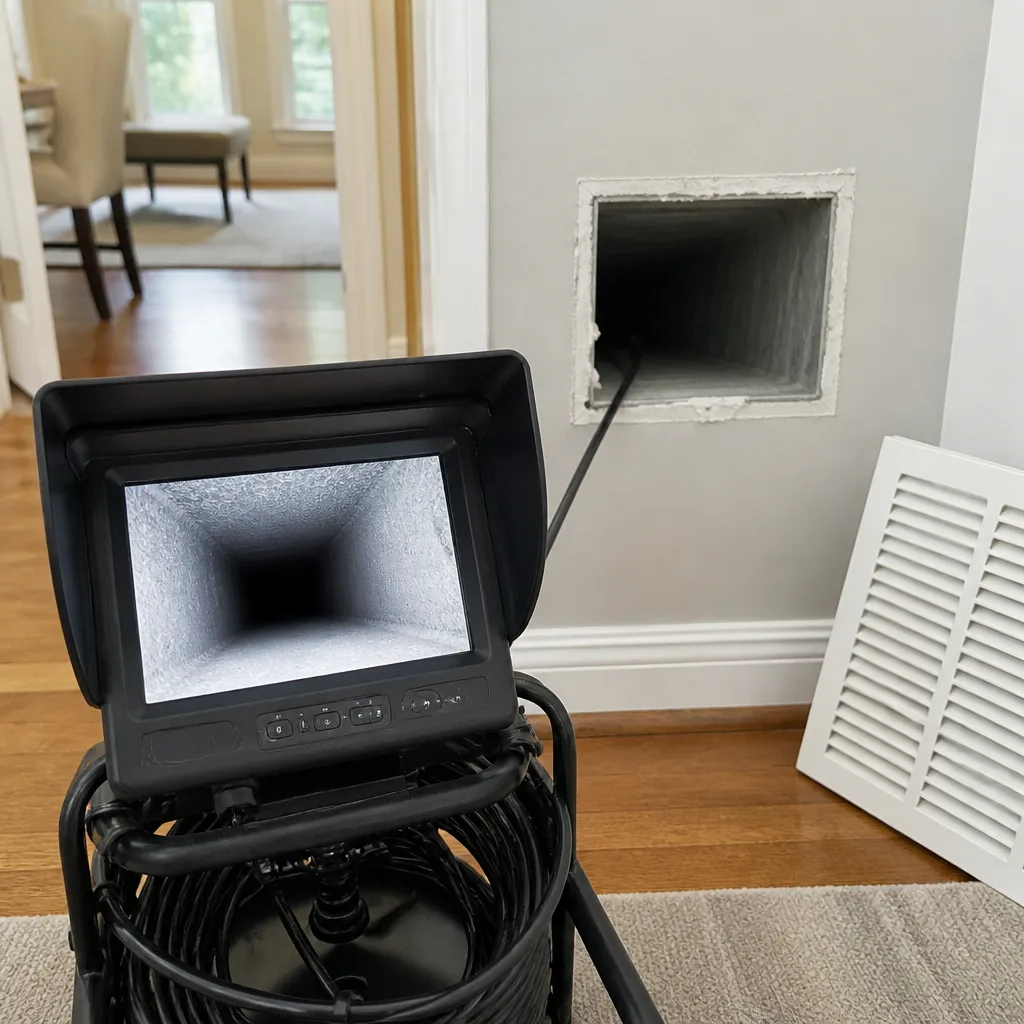 Camera inspection
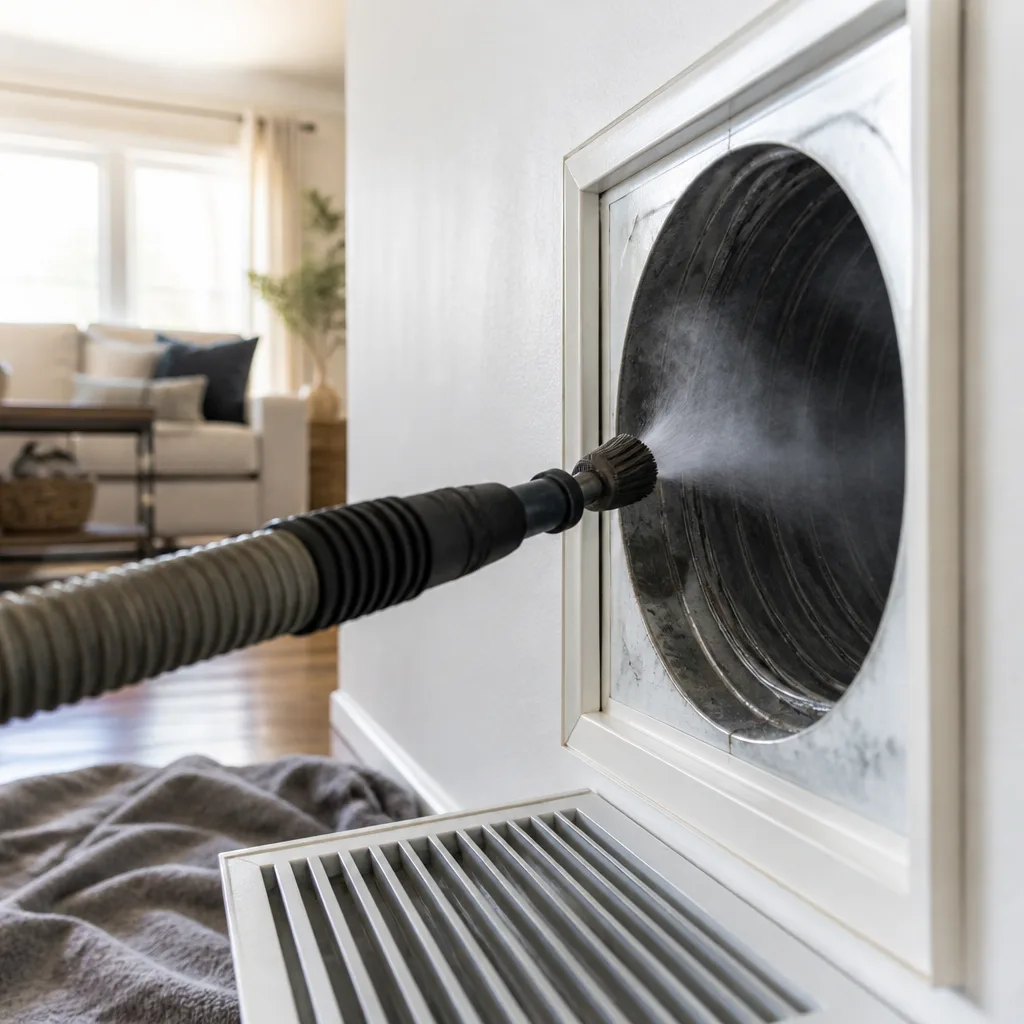 Sanitizing & deodorizing
Whole-system duct and dryer vent check with before-and-after photos - you see exactly what came out of your vents
That "$99 whole-house special" is a bait ad - the real number appears once they are in your hallway, or the "clean" is a shop-vac at the register. We photograph the inside of your ducts before and after instead.
Air Duct Cleaning Cost Breakdown: The South Coast Metro Homeowner’s Reference for 2026
The $89 duct cleaning coupon that shows up in South Coast Metro mailers represents a real service. It’s just not the one most homeowners think they’re buying. That price typically covers a quick pass over the most accessible vents, with no coil cleaning, no sealing, and no containment. The full-system job that actually changes your air quality and energy bills is a different scope entirely, and it carries a different price. In this guide we decode what each price tier in South Coast Metro actually buys: the line items inside a full-system clean, how local housing stock affects labor, the three pricing models contractors use, and how to compare quotes on scope instead of raw dollars. By the end, you’ll know how to read a duct cleaning bid the way a technician does.
Quick Answer
Air duct cleaning in South Coast Metro typically runs $350 to $700 for a standard single-story home, $500 to $900 for a two-story home with a slab foundation, and $900 to $1,400 or more for a full-system job that includes coil cleaning, duct repair and sealing, and sanitizing. The $89 to $149 coupon price buys a surface vacuum of accessible vents only. The written estimate sets the final price, and a legitimate contractor will always put that estimate in writing before any work begins.
Styles & brands we work with
- Whole-home duct cleaning
- Dryer vent cleaning
- Camera inspection
- Sanitizing & deodorizing
Table of Contents
- What You’re Actually Paying For in a Duct Cleaning Job
- Line-Item Cost Breakdown of a Full-System Clean
- How South Coast Metro Labor and Home Layout Affect Pricing
- The Three Pricing Models Contractors Use
- Legitimate Add-Ons Versus Unnecessary Upsells
- How to Build a Scope-Normalized Quote Comparison
- Why Equipment Tier Changes the Price and the Result
- Common Mistakes to Avoid
- When to Call a Professional
What You’re Actually Paying For in a Duct Cleaning Job
A duct cleaning invoice is really a bill for three separate things: labor time, equipment capability, and the scope of surfaces touched. Most homeowners compare quotes on the first one alone. That’s the mistake that leads to a $400 job that looks identical to an $800 job on paper but cleans half the system.
Start with scope. A full HVAC pathway includes the supply trunk lines that run through the attic or crawlspace, the flexible branch runs that feed each room, the return ducts, the air handler cabinet, the evaporator coil, and the register boots. A surface coupon clean touches the branch runs behind the accessible vents and calls it a day. The coil, the trunk, and the air handler get skipped. That’s not a scam in itself; it’s a smaller job at a smaller price. The problem is when the coupon price is presented as a full-system rate and the homeowner only discovers the difference when the technician is already on site.
Then there’s equipment. A shop-vac-and-whip setup can knock loose surface dust. A rotary-brush contact clean with negative-air containment pulls material from the duct walls rather than just the air stream. Those are different jobs with different labor hours, and the price reflects it. When you ask for a quote, ask which method the contractor plans to use and whether HEPA containment is included.
Finally, labor time. Duct cleaning is a hands-on trade. On a typical South Coast Metro home, a full-system clean takes several hours of careful work. A one-hour pass is a one-hour job at a one-hour price, and that’s exactly what you’ll get. If you’ve noticed uneven airflow or musty odors, you’re likely dealing with the kind of buildup that a quick surface pass won’t reach. Our air duct cleaning service is built around the full pathway rather than the visible vents.
Line-Item Cost Breakdown of a Full-System Clean
Here’s how a full-system clean breaks down into its component parts. These are typical estimated ranges for South Coast Metro and the surrounding Orange County market. Individual quotes will vary with square footage, the number of systems in the home, and how much repair work the ducts need.
- Trunk line cleaning: $120 to $220. The main supply and return trunks are the highest-volume, most-contaminated runs. This is where a rotary brush and high-volume negative pressure do their most important work.
- Flexible branch runs: $100 to $200. Each branch feeds one or more rooms. Long runs with multiple takeoffs take longer and cost more. Contractors who price per vent are really pricing this line alone.
- Air handler cabinet: $80 to $160. The interior of the air handler collects dust, debris, and sometimes mold growth. A real full-system clean includes the cabinet, not just the ducts that connect to it.
- Evaporator coil cleaning: $70 to $150. The coil is where the cooling happens, and a dirty coil is the single most common cause of energy waste in a ducted system. Some contractors skip this entirely. It’s a critical line item.
- Sanitizing treatment: $80 to $200. A final antimicrobial fogging on a clean system helps keep regrowth in check. It belongs at the end of the process, not the beginning, and it’s not a substitute for mechanical cleaning.
- Duct repair and sealing: $50 to $400 or more. Loose connections, cracked flex, and gaps at the register boots leak conditioned air into the attic. Sealing is a separate scope and often the highest-value line on the invoice because it addresses the root cause of energy loss. We handle this as a named service rather than a suggestion.
Add those line items up and you land in the $500 to $1,100 range for a typical South Coast Metro home, which is why a quote that claims to include all of it for $149 doesn’t add up. Ask for each line item on paper. A contractor who won’t itemize is a contractor who’s keeping the scope vague for a reason.
How South Coast Metro Labor and Home Layout Affect Pricing
Duct cleaning prices aren’t the same across California. Labor rates in the South Coast Metro area run higher than the state average because the cost of living and operating a business here runs higher than the state average. That pushes every labor-heavy service up: duct cleaning included. Any contractor quoting you a statewide-average figure from a call center in another region is either estimating generously or planning to cut scope.
Home construction matters even more than labor rate. South Coast Metro’s housing stock presents specific challenges:
- Slab foundations: Duct runs in this part of Orange County are frequently buried in or under a slab foundation. Technicians can’t easily access the duct interior from above. Access points have to be located and cut carefully, or the job shifts to cleaning only the accessible portions. That takes more labor and more careful planning than a crawlspace setup.
- Tight attic clearances: The attic spaces in older South Coast Metro neighborhoods are often low and hot. Working in them safely takes time, which shows up in the estimate. A crew that bids the same rate as a wide-open ceiling job is likely planning to skip the attic runs entirely.
- Multi-story homes: A two-story home may have one or two systems, longer duct runs, and more branches. More branch runs mean more labor hours. A two-story quote should never come in lower than a single-story quote for the same square footage.
- Retrofit and mixed duct types: Homes that have been added onto or partially rerouted over the years often have a mix of rigid and flexible duct. Mixed systems take longer to clean and are more likely to need sealing work afterward.
The result: in South Coast Metro, expect to pay somewhat more than a comparable home in a smaller inland market. That premium buys the additional labor a slab-and-attic layout requires. If a quote comes in well below the local range, ask specifically how they plan to reach the slab-embedded ducts and the attic trunk. The answer will tell you what you’re actually buying. For the full-system side of the work, our HVAC cleaning service covers the coil and air handler in the same visit.
The Three Pricing Models Contractors Use
Every duct cleaning quote is built on one of three pricing models. Each model creates a different incentive for the contractor, and understanding which model you’re looking at is half the battle in comparing quotes fairly.
- Per-vent pricing. The contractor charges a flat amount per register: typically $25 to $60 per vent. This model incentivizes the contractor to count as many vents as possible while doing the minimum at each one. On a home with ten vents, a per-vent bid can look reasonable, but it often excludes the trunk lines, the coil, and the air handler entirely. It also creates a perverse incentive: the more vents, the more money, so there’s no reason to slow down at any single vent. If you see a per-vent quote, ask what exactly happens at each vent and whether the trunk lines and coil are included.
- Flat-rate pricing. One number for the whole job, no matter the size of the home. This is the model most coupon offers are built on. It incentivizes speed above all else: the faster the crew finishes, the more profitable the job. That’s fine for a truly small, simple system. It’s a problem on a larger home with multiple systems and tight attic access, because the flat rate doesn’t leave room for the extra hours the job actually requires. A flat rate on a 3,000-square-foot South Coast Metro home with two systems is a red flag unless the contractor has seen the home first.
- System-based pricing. The quote is built from a scope of work that includes every component of the HVAC pathway, priced by the specific job. This is the model that aligns the contractor’s incentive with a thorough job: more thorough work costs more because it takes more time, and that’s reflected honestly in the estimate. The estimate is itemized, the scope is written down, and the price you’re quoted is the price you pay. This is the model we use, because it’s the only one that lets a homeowner compare apples to apples.
The practical takeaway: when you collect three quotes, identify which pricing model each one uses before you compare the totals. A $149 per-vent quote for ten vents and a $700 system quote may actually be closer in cost than they look once you add the per-vent minimums and exclusions. The model tells you what the contractor is incentivized to do. The invoice tells you what they actually did.
Legitimate Add-Ons Versus Unnecessary Upsells
Not every add-on is a rip-off, and not every add-on is worth it for your home. Here’s how we sort them after eight years of doing this work across the South Coast Metro area.
Worth it for most homes:
- Duct repair and sealing: The highest-value add-on on the list, and the one most contractors skip because it takes extra time. Loose joints and boot gaps leak cooled air into unconditioned space. Sealing those leaks is often the single biggest energy-bill improvement available, and we treat it as a core service rather than a suggestion.
- Coil cleaning: If the coil is dirty and hasn’t been cleaned in years, this is money well spent. A restricted coil makes the whole system work harder, and no amount of duct cleaning fixes it.
- Sanitizing: Worth considering after a full clean when there’s visible biological growth or persistent odor. It’s the final layer of a complete protocol, not a standalone treatment.
Usually unnecessary for most homes:
- UV lights and air scrubbers sold mid-job: Some of these products have genuine applications, but they should be evaluated and priced separately, not tacked onto a duct cleaning invoice under pressure. Honeywell and Aprilaire air quality products are available as a post-clean upgrade path if you actually want one, and we’ll quote them in writing like any other work.
- Enzyme treatments sold as a substitute for cleaning: A spray won’t remove years of dust and debris from a duct wall. Mechanical cleaning has to come first. Anyone selling a fogging treatment without a full clean is skipping the part that matters.
- “Whole-home deep sanitize” pricing that’s really just a second pass: Ask what surfaces are being treated. If the answer doesn’t include the air handler and the coil, it’s not a whole-home treatment.
How to Build a Scope-Normalized Quote Comparison
Here’s the method we recommend to every South Coast Metro homeowner collecting duct cleaning quotes. It takes about ten minutes per quote and it’ll save you from choosing the wrong contractor for the wrong reasons.
- Get the scope in writing, line by line. Ask each contractor to list what’s included: trunk lines, branch runs, air handler cabinet, evaporator coil, sanitizing, and sealing. A quote that lumps everything into one line can’t be compared to anything.
- Ask which equipment they’ll bring. Specific answers are a good sign. “We use a rotary-brush system and HEPA containment” tells you what the process looks like. A vague answer usually means a shop-vac and a hose.
- Ask how they’ll access the ducts. On South Coast Metro’s slab-foundation homes, this is the question that separates the amateurs from the professionals. Where are the access points, and how will they be cut and resealed afterward?
- Ask for before-and-after photos of your own ducts. Not stock photos, not a brochure. Your ducts, your home. A contractor confident in their equipment will offer photos without being asked.
- Ask what happens if they find a problem. A cracked duct, a dirty coil, a disconnected flex run. Can they fix it in the same visit, or do they just document it? A contractor who can repair and seal what they find saves you a second call and a second invoice.
- Divide the total by the number of registers cleaned. A lower total that cleans fewer surfaces is often a worse value. Once you normalize on scope, the comparison usually becomes obvious.
When you do this for three quotes, you’ll find the price ranges converge. That convergence is the real market rate for a thorough job in South Coast Metro. The outlier quotes, high or low, are usually outliers because of a scope difference, not a pricing difference. Our dryer vent cleaning service follows the same principle: a fire-prevention service deserves a real scope and a real inspection, not a coupon-rate brush pass.
Why Equipment Tier Changes the Price and the Result
Every duct cleaning quote is a price for a process, and the process depends on the equipment tier. That’s the part of the invoice the contractor rarely explains, and it’s often the largest driver of the actual result.
At the entry tier, a contractor uses a shop-vac setup with an air whip. It creates airflow that can move surface dust, but it doesn’t contact the duct walls. Much of what’s stuck to the interior stays stuck. This equipment tier is why the coupon price exists: it’s genuinely faster and genuinely less effective.
At the professional tier, the contractor brings a rotary-brush contact system and negative-air HEPA containment. The brush physically contacts the duct walls, and the containment keeps the dislodged debris from spreading into the rest of the home as it’s removed. We use the Rotobrush rotary-brush system and Nikro-certified equipment on every job, with Abatement Technologies negative-air containment to control cross-contamination during the process. That’s a materially larger equipment and labor investment, and it’s reflected in the estimate. It’s also the tier that produces a visually verifiable result.
The practical consequence: when you compare two quotes, ask which process you’re buying. A low quote and a high quote from the same city may simply be two different processes. If the contractor can’t tell you what equipment they’re using and why, the quote is a guess. The estimate is only as good as the scope behind it. And when the option exists to go beyond cleaning into Honeywell and Aprilaire air quality products, that upgrade path should be presented as a clear next step with its own written price, not as a surprise line on the final invoice.
Common Mistakes to Avoid
- Choosing the lowest quote without asking what it excludes. A $129 quote frequently excludes the coil, the trunk lines, and the air handler. You’re comparing a partial job to a full-system job. Ask for the itemized scope before you decide.
- Signing a quote that charges per vent. Per-vent pricing rewards speed, not thoroughness, and it rarely covers the trunk lines or coil. A system-based quote gives you a real comparison point.
- Assuming the attic is easy to reach. Low-ceiling attic access in South Coast Metro’s older homes takes extra labor, and a quote that doesn’t account for it will end with either cut corners or a surprise charge. Ask how the attic runs will be accessed.
- Skipping duct repair and sealing because it’s not on the quote. The leaks a duct cleaning reveals are the reason your energy bill spiked in the first place. A clean without sealing leaves the energy savings on the table.
- Accepting a verbal scope. If it isn’t written down, it isn’t part of the job. The written estimate should list every component by name, and the final price should match it.
- Getting one quote and calling it a decision. Even two scope-normalized quotes give you a much clearer picture of the market rate than one. Three is better.
- Letting the contractor set a schedule that doesn’t suit your home inspection. Arrange the visit when you can walk the home with the technician and see the before-and-after photos yourself.
When to Call a Professional
Some signs point clearly to duct work that’s past due. If anyone in the home has noticed new allergy flare-ups or musty odors that don’t clear, the HVAC pathway is a reasonable place to look. Visible dust streaking at the register covers, uneven airflow between rooms, and energy bills that have crept up without a known cause all point in the same direction. A dirty coil or a disconnected flex run in the attic can cause any of them. So can a dryer vent that’s packed with lint and needs a fire-prevention inspection. If it’s been years since the system was last cleaned and the home was ever renovated, call for a scope inspection before you call for a price. Air Duct Cleaning South Coast Metro offers free estimates in South Coast Metro: call (833) 468-5980. We answer 24/7. Fast dispatch from 7am to 7pm, Sunday through Friday.
See the difference
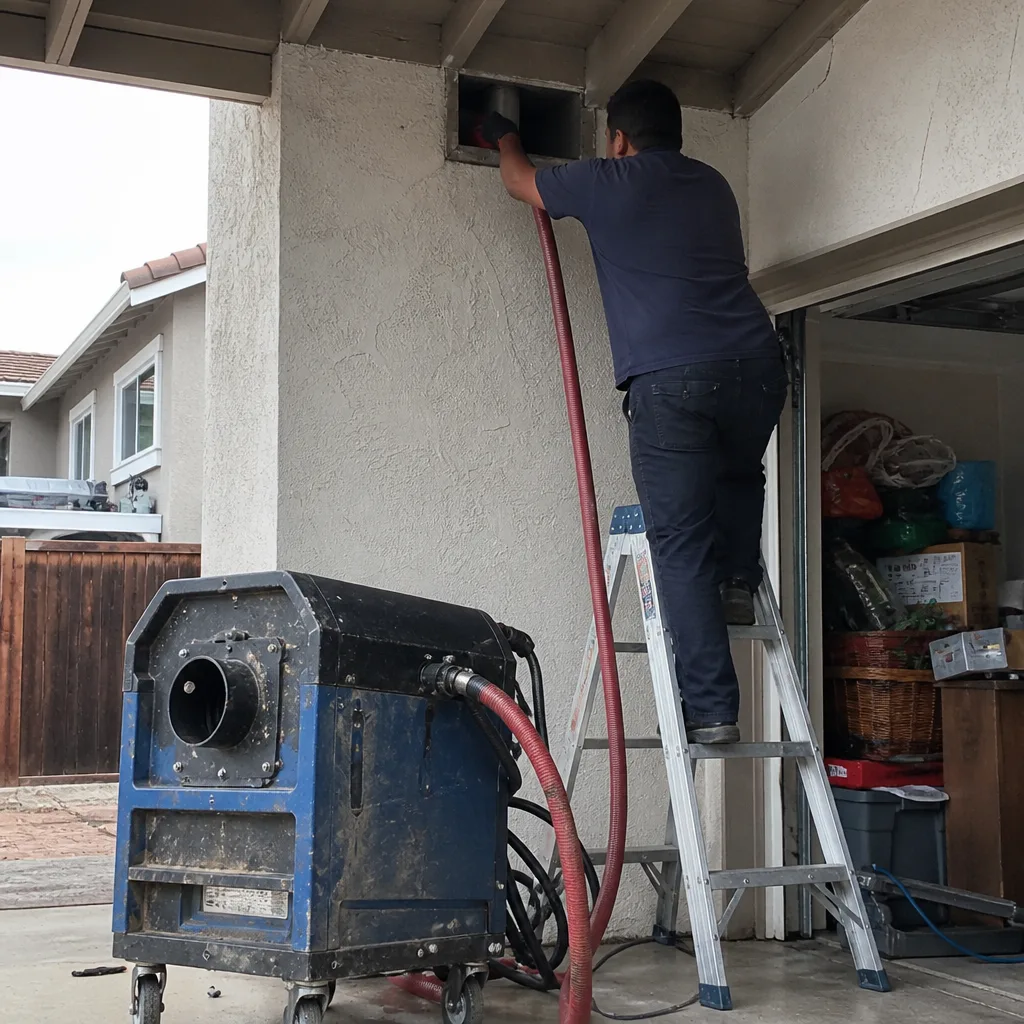 Before
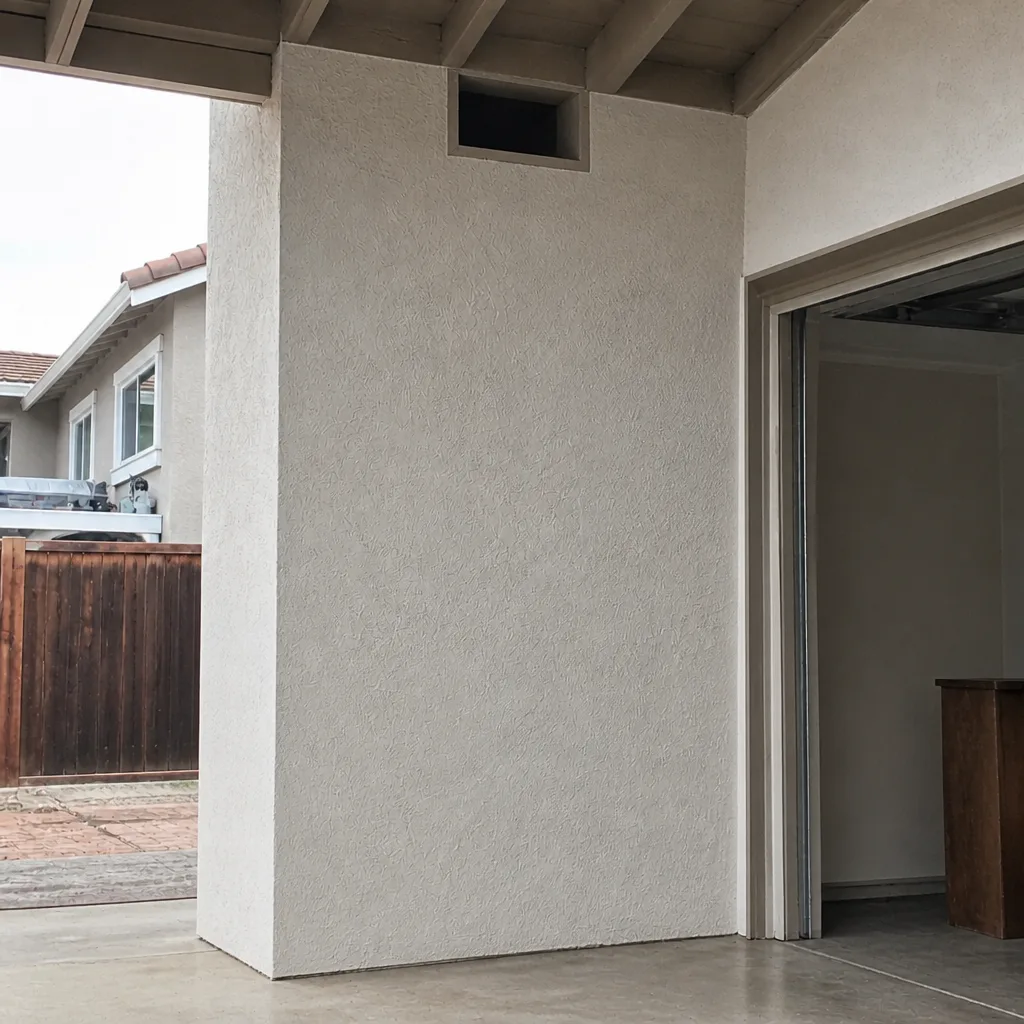 After
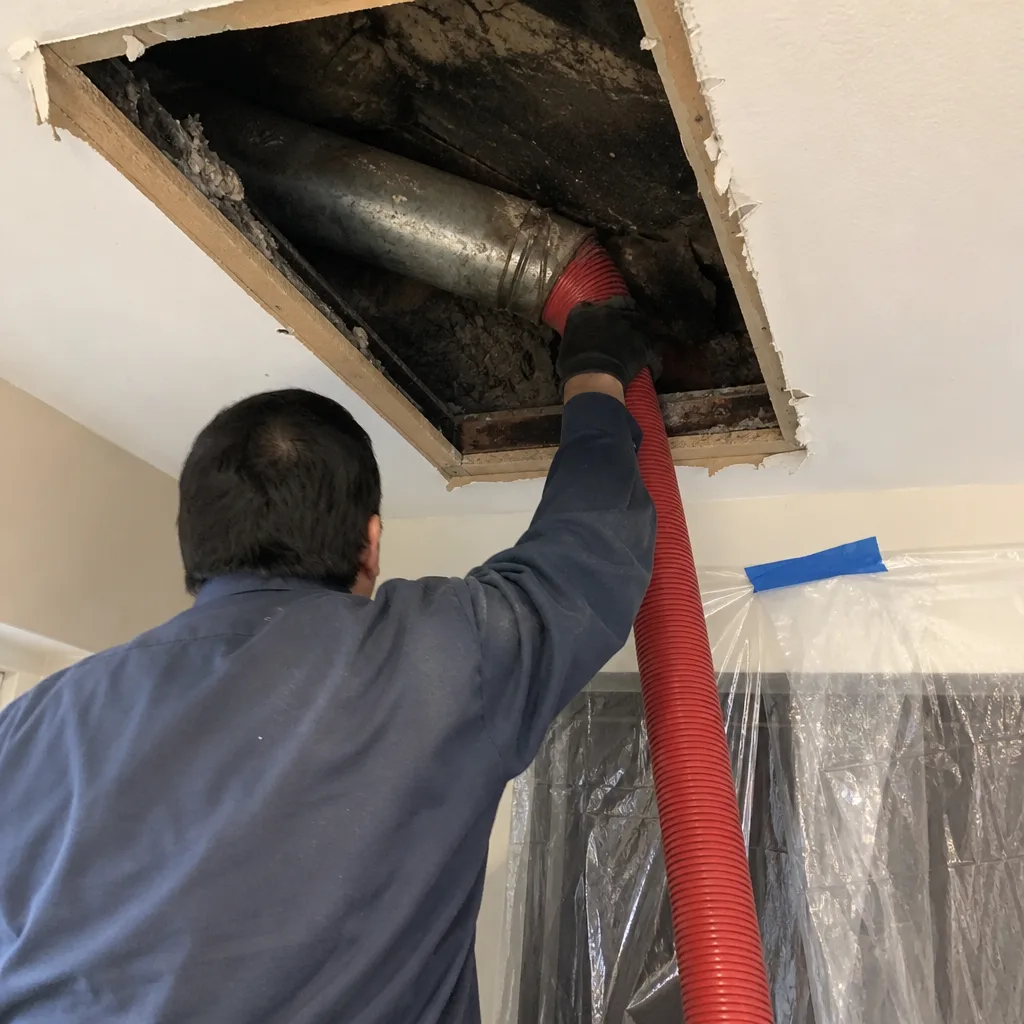 Before
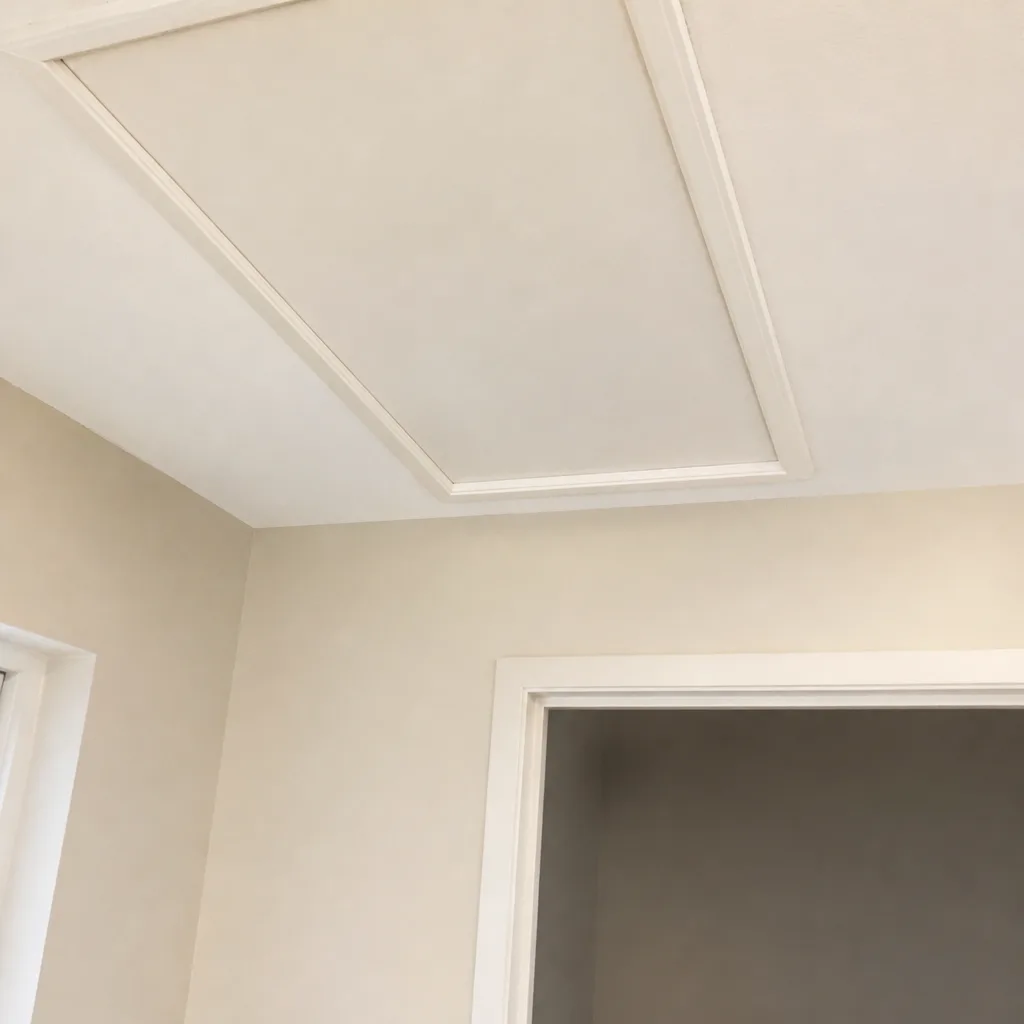 After
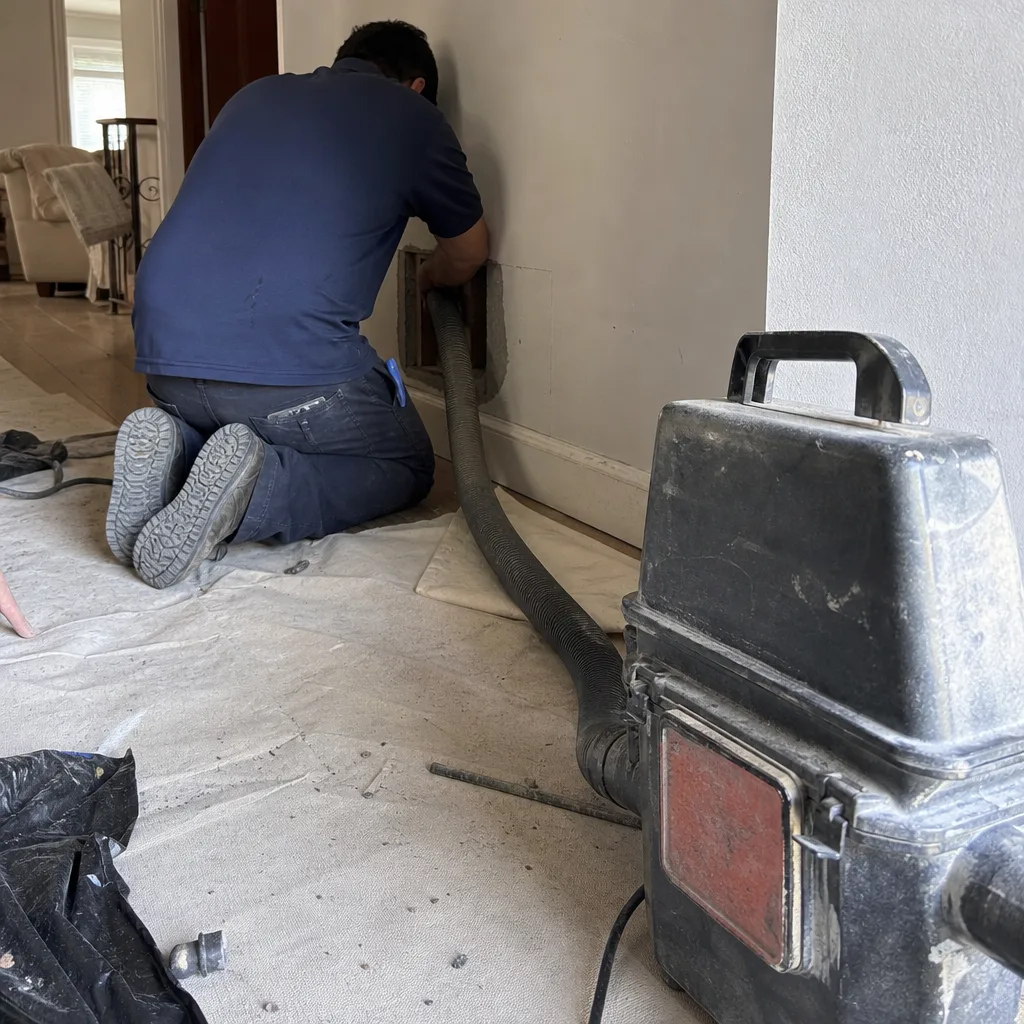 Before
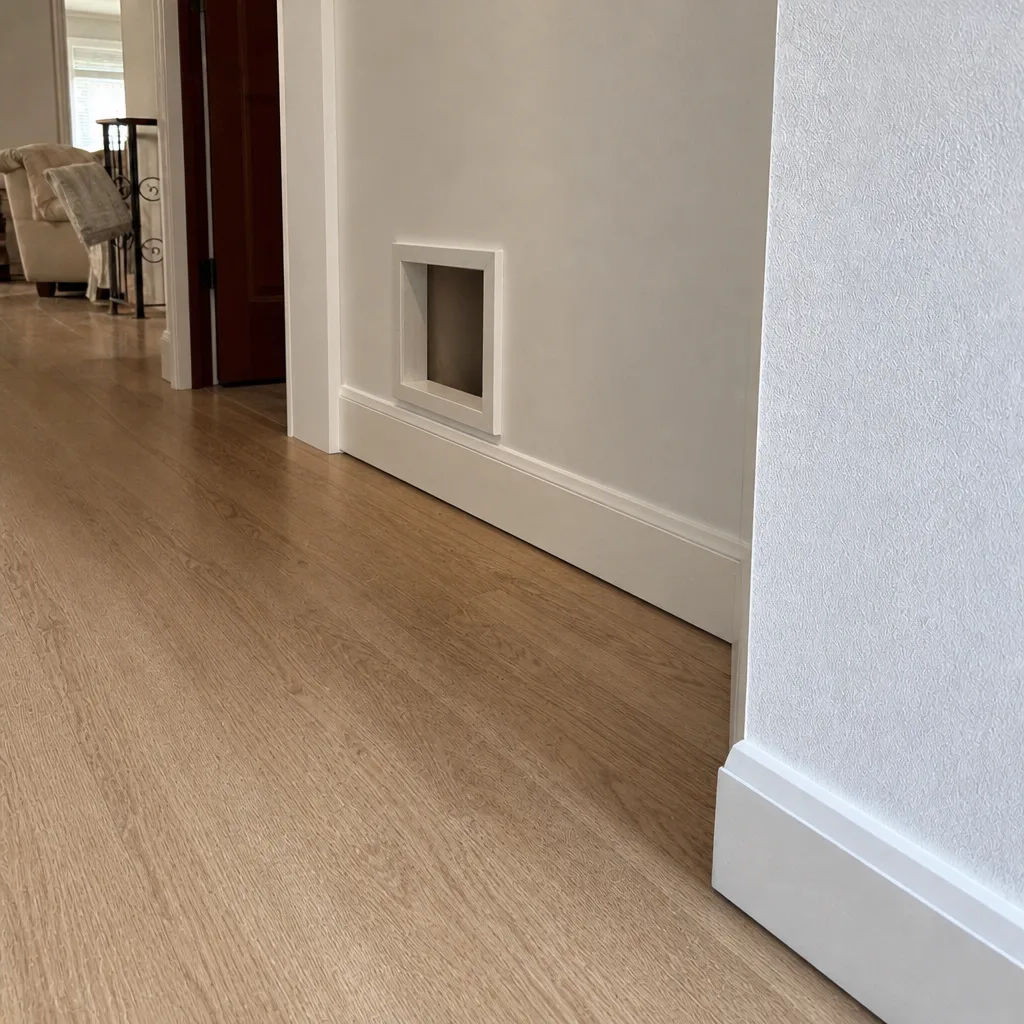 After
Frequently Asked Questions
Most South Coast Metro homeowners pay roughly $350 to $700 for a standard single-story full-system clean, and $500 to $900 or more for a two-story home with slab-embedded ducts, coil cleaning, and sealing included. A partial job that covers only the visible vents is cheaper, but it isn’t a full-system clean. The written estimate sets the final price, and a legitimate contractor will give you that estimate before any work starts. Call (833) 468-5980 for an exact quote; estimates are free.
Low quotes are usually quoting a different job: per-vent pricing that covers the branch runs only, with no coil cleaning, no air handler work, and no sealing. In South Coast Metro, where slab foundations and tight attic clearances make access labor a real cost, a quote that doesn’t account for that labor is planning to skip the hard parts. The cheapest quote isn’t necessarily dishonest, but it’s rarely the full-system job. Call (833) 468-5980 for a scope-normalized estimate you can compare.
Ask for before-and-after photos of your own ducts, taken during the visit, including the air handler and the coil. A contractor using a rotary-brush and HEPA containment system will produce visibly different photos than a shop-vac pass. You should also walk the home afterward and check the access points are resealed. If a contractor doesn’t offer photos, ask. Call (833) 468-5980 to schedule an estimate and see the process in person.
Most homes need a full-system clean every three to five years, though the answer depends on pets, renovations, and whether anyone in the home has allergies. Homes with ongoing dust issues may need coil cleaning more often. What matters more than the calendar is the condition of the system: if you’re seeing streaking at the vents or uneven airflow, it’s time to have it looked at. Call (833) 468-5980 for an assessment.
No. We’re closed Saturday and our dispatch hours are Sunday through Friday, 7am to 7pm. The phones are answered 24/7, so a call outside dispatch hours is booked into the next opening, Sunday through Friday, 7am to 7pm. Early mornings are available within those hours. Call (833) 468-5980 to find the first available appointment for your home.
Yes, and the mild climate is actually the reason the question comes up so often. Because heating and cooling run year-round here, the system moves air constantly, and the ducts accumulate dust, debris, and biological growth at a steady rate. A clean, sealed system with a clean coil cools more efficiently and keeps that air from spreading through the home. Call (833) 468-5980 for a free estimate on your system.
The Bottom Line
Duct cleaning prices in South Coast Metro range from under $150 for a surface pass to more than $1,400 for a full-system job with repair and sealing, and the spread reflects scope and equipment, not random markups. The single most useful thing you can do is ask each contractor for an itemized scope in writing and compare on that, not on the total at the bottom. Look for rotary-brush contact cleaning, HEPA containment, coil and air handler work, and a written price that doesn’t change. If you can’t tell what a quote includes, it probably doesn’t include much. Our technicians have up to 8 years of experience, and the estimate is always free.
Air Duct Cleaning South Coast Metro provides residential and commercial Air Duct Cleaning South Coast Metro across the full HVAC pathway, plus dryer vent cleaning, HVAC cleaning, duct repair and sealing, and air quality sanitizing. Every job runs on professional Rotobrush and Nikro equipment with Abatement Technologies containment, and we can install Honeywell and Aprilaire air quality products as a post-clean upgrade. Call (833) 468-5980 for a free estimate. We answer 24/7. Fast dispatch from 7am to 7pm, Sunday through Friday.
Written by the team at Air Duct Cleaning South Coast Metro.