
Last updated November 24, 2026
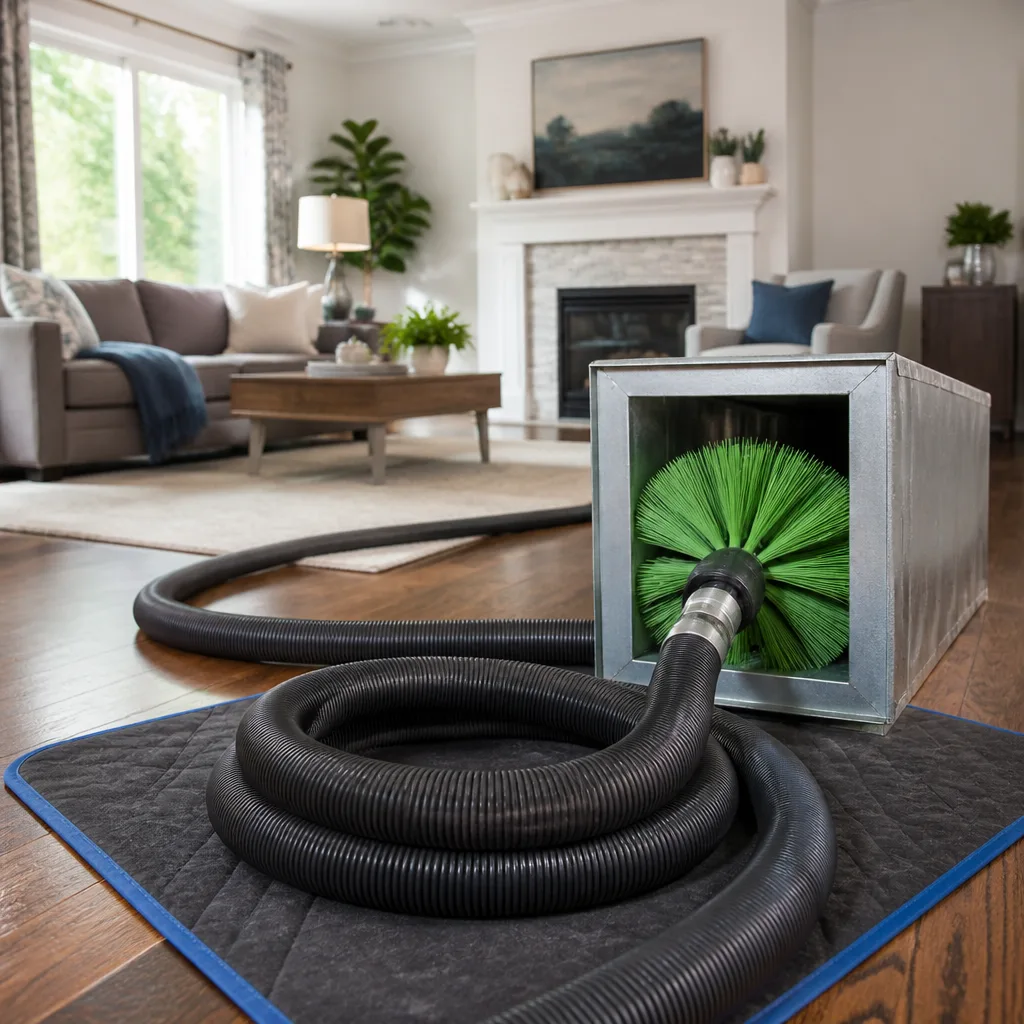 Whole-home duct cleaning
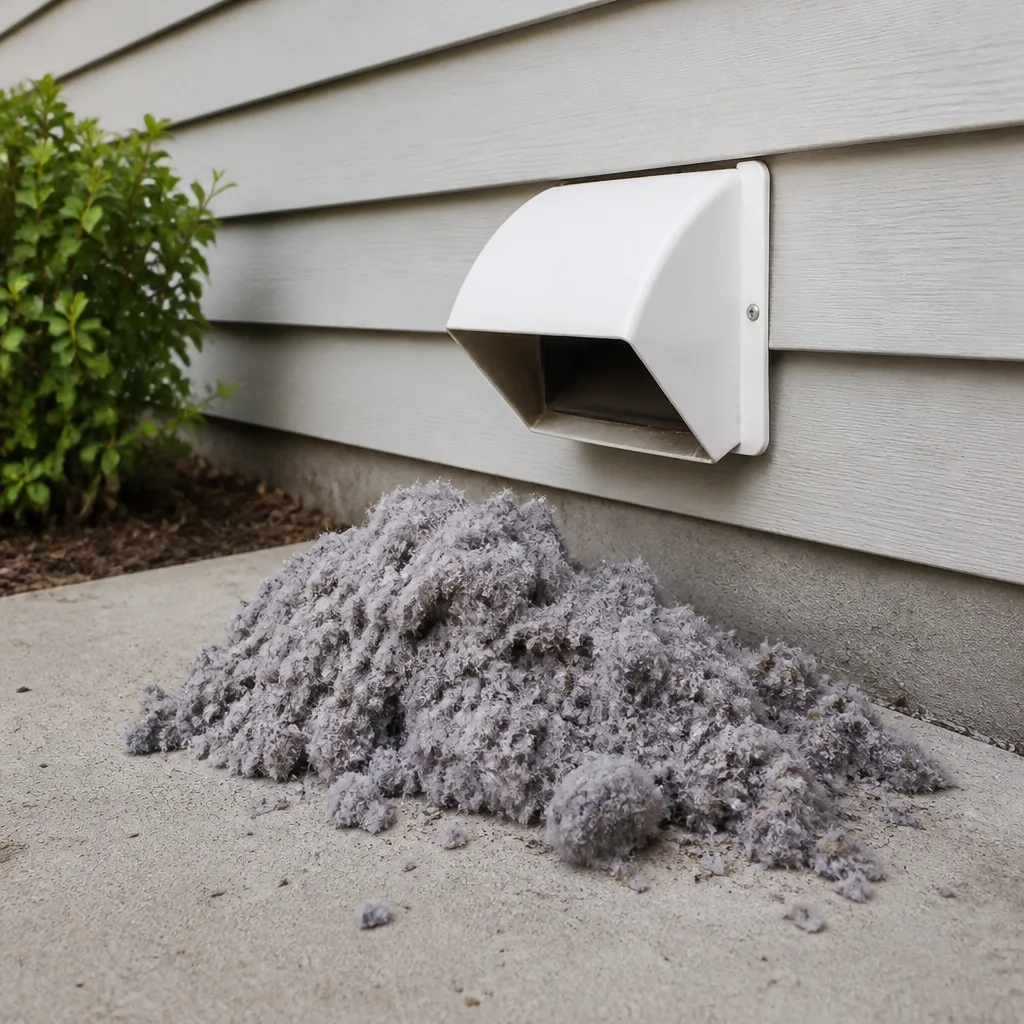 Dryer vent cleaning
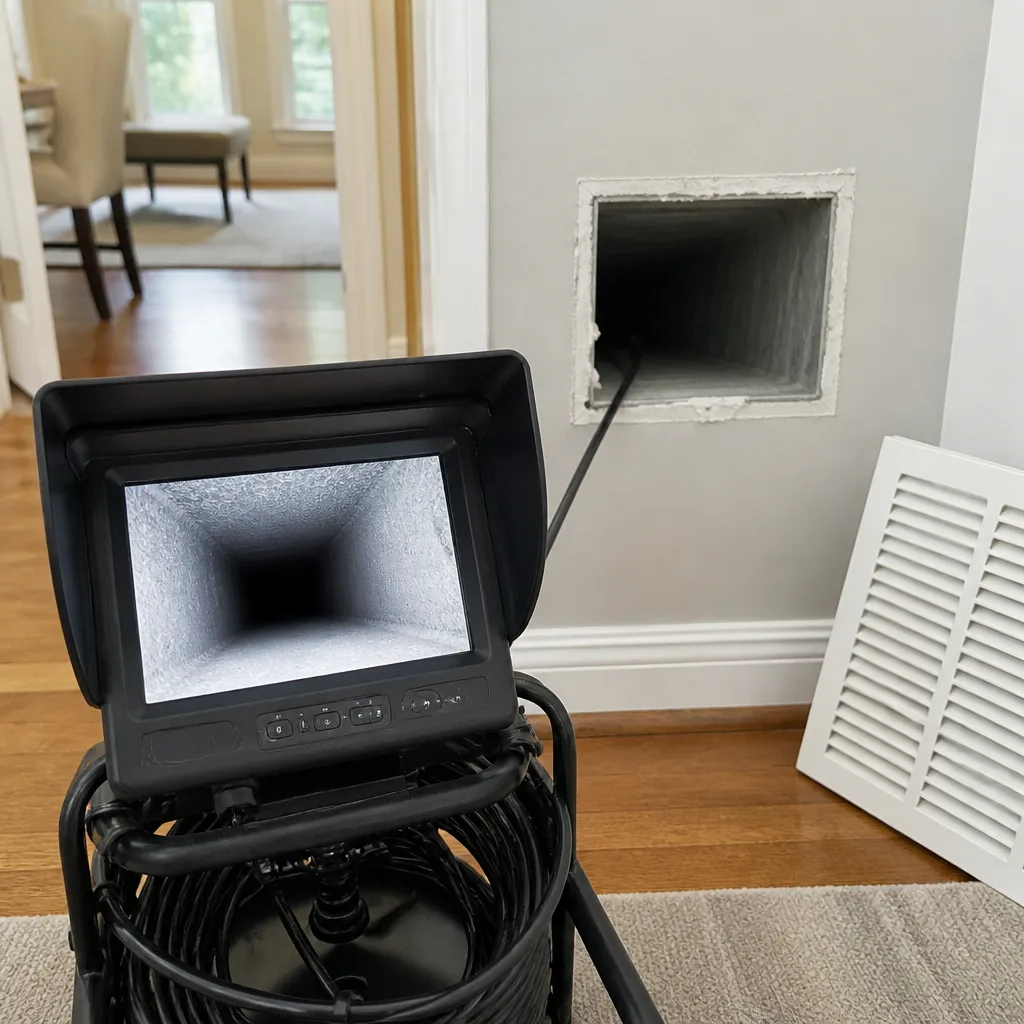 Camera inspection
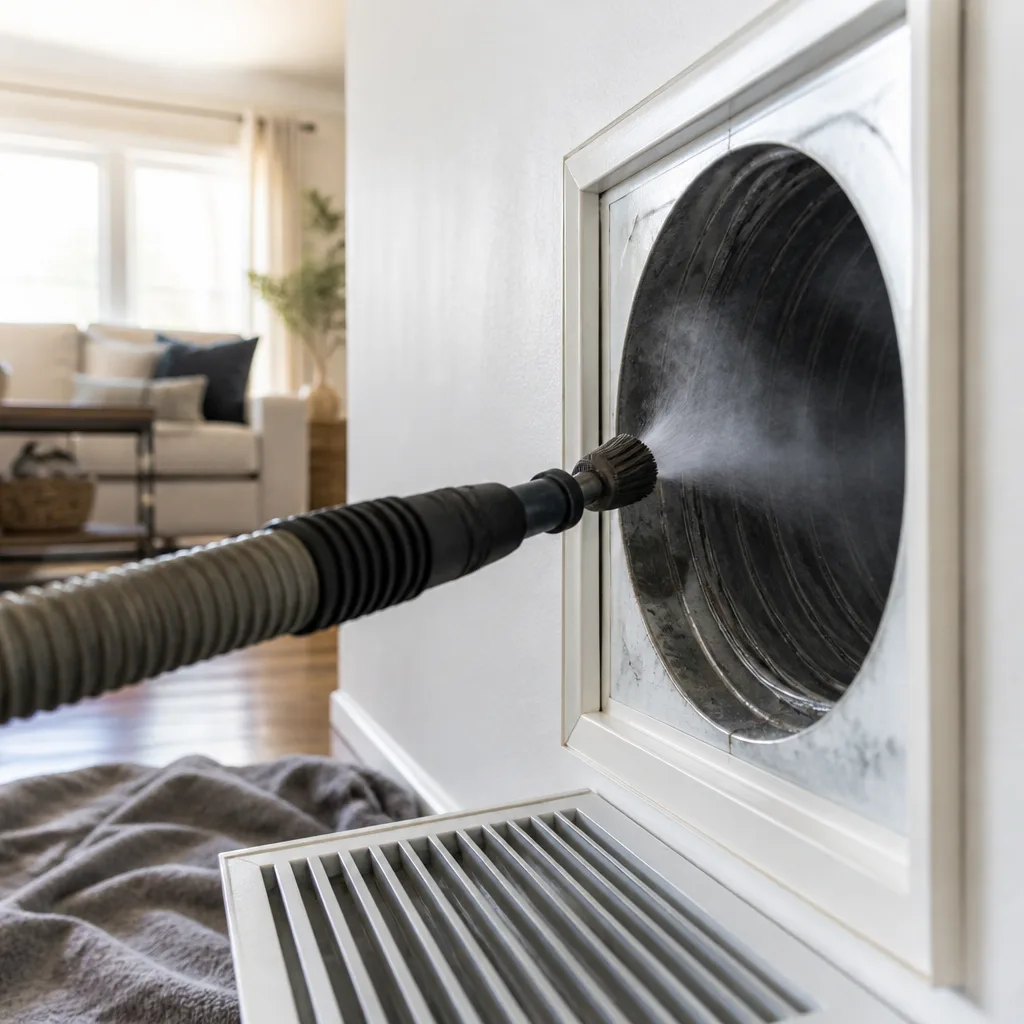 Sanitizing & deodorizing
Whole-system duct and dryer vent check with before-and-after photos - you see exactly what came out of your vents
That "$99 whole-house special" is a bait ad - the real number appears once they are in your hallway, or the "clean" is a shop-vac at the register. We photograph the inside of your ducts before and after instead.
Air Duct Cleaning Permits, Codes & Inspections in South Coast Metro, CA: What You Need to Know
Most homeowners assume ductwork sits in a legal blind spot, a hidden maze in the attic or crawlspace that nobody regulates. That assumption is half right. Routine cleaning and sanitizing need no permit in California. But the moment a technician cuts out a crushed flex run, seals a gapped joint, or reroutes a trunk line, the work stops being maintenance and becomes an alteration under the California Mechanical Code and Title 24 energy rules. At that point paperwork matters, and skipping it is a problem that follows the house, not the contractor. This guide walks South Coast Metro homeowners through exactly where that line falls, what each South Coast Metro city expects, and how to ask the right question before anyone starts cutting.
Quick Answer
Routine air duct cleaning in South Coast Metro does not require a permit. Repairing, sealing, replacing, or relocating ductwork does: that work falls under the California Mechanical Code and Title 24, and most South Coast Metro jurisdictions require a mechanical permit for it. If more than 40 feet of duct is replaced or relocated, Title 24 duct leakage standards kick in and a HERS verification may be triggered.
Styles & brands we work with
- Whole-home duct cleaning
- Dryer vent cleaning
- Camera inspection
- Sanitizing & deodorizing
Table of Contents
- Where Cleaning Ends and Permit-Required Work Begins
- How South Coast Metro Cities Handle Mechanical Permits
- What Title 24 Duct Leakage Standards Actually Require
- Visual Inspection vs. Pressure Test vs. HERS Verification
- How to Request a Scope Clarification Before Work Begins
- What to Ask Any Duct Contractor in South Coast Metro
- Permits, Insurance, and Selling Your Home Later
- Why South Coast Metro’s Climate Makes Ducts Work Harder
Where Cleaning Ends and Permit-Required Work Begins
The cleanest dividing line in this trade is between restoration and alteration. Cleaning restores a duct system to the condition it was built in. Alteration changes the system itself. California’s mechanical code treats one very differently from the other, and that distinction decides whether a South Coast Metro homeowner needs to pull a permit.
Work that counts as routine maintenance, no permit:
- Source removal cleaning of duct interiors with rotary brush and negative air
- Sanitizing the duct pathway after cleaning
- Replacing filters and cleaning the air handler and coils
- Re-taping a joint that has visibly failed on the surface
- Dryer vent cleaning and lint removal
Work that crosses into permit territory:
- Cutting out and replacing a run of rigid or flex duct
- Relocating a supply or return register
- Adding a new branch duct or extending a trunk line
- Replacing ductwork beyond a small repair threshold
- Any change that alters the system’s air balance or efficiency rating
The confusing part is sealing. A technician who brushes mastic over an accessible gap is doing repair work. A technician who opens a ceiling, cuts out a damaged trunk section, and rebuilds it is doing mechanical alteration. Both might get called “duct sealing” on an invoice. Only one usually needs a permit in South Coast Metro. Ask which one is happening before the truck is unloaded, because the answer changes who is responsible if something goes wrong later. When the job is purely a clean, our air duct cleaning work stays on the maintenance side of that line.
How South Coast Metro Cities Handle Mechanical Permits
South Coast Metro is a business and residential corridor rather than a single incorporated city, so ductwork permits are handled by whichever city the property actually sits in: Costa Mesa, Newport Beach, Irvine, Santa Ana, or unincorporated Orange County. Each has its own building department, its own application form, and its own fee schedule. The rules are largely consistent because they all draw from the same state mechanical code, but the process is not identical.
In practice, here’s how mechanical permit applications for ductwork repair usually work in these cities:
- Confirm which jurisdiction the property is in. A mailing address in “South Coast Metro” doesn’t always match the permitting city, especially near the Costa Mesa and Santa Ana lines.
- Submit a permit application describing the scope: how many linear feet of duct, what type, and whether the work is repair or replacement.
- Provide plans or a scope drawing if the work is substantial. Small repairs often clear with a written description.
- Pay the permit fee, which is set by that city’s building department and varies with the value and scope of the work.
- Schedule the inspection once the work is complete. A city inspector, or in some cases a HERS rater, verifies what was done.
Newport Beach and Irvine tend to ask more detailed questions about Title 24 compliance on replacement work, because both cities review energy compliance closely on permitted projects. Costa Mesa and Santa Ana handle simpler repair permits more quickly. If you’re near the border between two cities, call the building department directly with your address rather than guessing. It’s a two-minute phone call that prevents a much longer conversation later. For broader guidance on what a full-system service call involves, see our main Air Duct Cleaning South Coast Metro page.
What Title 24 Duct Leakage Standards Actually Require
Title 24 is California’s building energy efficiency standard, and it has a specific rule for ducts that catches a lot of homeowners off guard. When more than 40 feet of ductwork is replaced or relocated, the system must meet duct leakage requirements. That threshold is measured in linear feet of affected duct, not total duct length in the house, and it’s the number to keep in mind when a contractor quotes a “big repair.”
What this means in practical terms:
- Under the threshold, replacement work still needs a permit in most South Coast Metro cities, but the full leakage testing package may not apply.
- Over the threshold, the duct system has to demonstrate it meets the required leakage standard, which usually means a duct pressure test.
- Testing is documented by a third party, a HERS rater, not by the installing contractor alone.
- The results are filed with the permit and become part of the property record.
Title 24 also governs how the work must be done: what sealant types are allowed, how joints and connections are taped or mastic-sealed, and how insulation is reinstalled after the repair. A contractor who reinstalls duct with cloth-backed tape and no mastic hasn’t met the standard, even if the system technically works. This is the single most common place we see corners cut in the South Coast Metro area. A repair that looks finished can still fail a HERS verification on tape and sealant alone.
If a quote involves more than 40 feet of duct replacement, ask point blank whether a HERS verification is included. If the answer is vague, that’s worth a second conversation before signing anything.
Visual Inspection vs. Pressure Test vs. HERS Verification
Three different things get called “inspection” in this trade, and confusing them costs homeowners money. They check different things, at different stages, and only one of them is a third party with a report filed to the city.
Visual inspection
A technician looks at the duct system directly, usually with a camera in tight spaces, and notes condition, disconnected joints, crushed sections, and evidence of pest or moisture intrusion. This happens during any thorough HVAC cleaning visit and requires no permit. It’s diagnostic, not regulatory.
Pressure test
A pressure test pressurizes the duct system and measures how much air escapes. It produces a leakage number. Contractors use it to find leaks and to demonstrate improvement after a repair. It’s a tool, not a permit requirement on its own, though it’s the underlying method Title 24 relies on.
HERS verification
A HERS rater is a certified third party who independently tests and documents the system against the standard, then files the result with the permitting authority. This is what triggers when more than 40 feet of duct is replaced or relocated. The contractor can’t self-sign it. That separation is the whole point.
When each is triggered:
- Visual inspection: every professional clean or service call.
- Pressure test: whenever a leak problem is suspected or a repair is being diagnosed and confirmed.
- HERS verification: when the replacement crosses the Title 24 threshold, or when a city requires it as a condition of the permit.
Knowing which one your job involves tells you whether the paperwork is real. A contractor who promises a HERS certificate without a third party ever visiting the property is not telling you the truth.
How to Request a Scope Clarification Before Work Begins
The single best protection against unpermitted work is a written scope of work before anything is touched. Not a verbal “we’ll fix the leaks,” but a document that names exactly what’s being altered and whether it requires a permit. Here’s how to ask for it.
- Ask for the scope in writing, itemized by task, not just a price. Separate cleaning from repair from replacement.
- Ask directly: “Does any item on this scope require a mechanical permit in this city?” A straightforward contractor answers without hedging.
- If the answer is yes, ask who pulls the permit and whether the fee is included in the quote or billed on top.
- Ask whether a HERS verification applies under Title 24, and if so, who schedules the rater.
- Request a line item for duct repair and sealing as a distinct service, so you can see what’s alteration and what’s restoration.
- Get the completed permit and inspection results at the end of the job, not just a verbal “it’s all handled.”
If a contractor pushes back on this, treats it as an insult, or says permits “aren’t needed for ducts,” that’s your signal. In our experience across South Coast Metro, the contractors who invite the question are the ones who already pull permits as standard practice. The ones who avoid it usually have a reason. A written scope also protects you if the job changes mid-stream: any added work above the threshold needs a revised scope and a revised permit conversation.
What to Ask Any Duct Contractor in South Coast Metro
Credentials, permits, and equipment tell you more about a duct contractor than any coupon. Before scheduling a job that involves any repair, ask these questions and pay attention to which ones get a straight answer.
- What equipment are you bringing? Source-removal cleaning requires a rotary brush system and negative air containment. In our work we use Rotobrush and Nikro systems with Abatement Technologies HEPA containment, and we’re happy to explain why that matters. A van-mounted shop vac and an air whip aren’t the same thing.
- Do you handle repair and sealing, or just cleaning? A contractor who only cleans will leave leaks in place and re-contamination will follow. Repair is a separate capability and a sign of a full-system operator.
- Will you pull the permit if one is needed? Straight answer required. No permit, no protection.
- What does the scope include for Title 24? If the answer is “Title 24 doesn’t apply to residential,” walk away.
- Can I get before-and-after photos of my ducts? Any serious operation photographs the inside of your ducts. If yours won’t, you can’t verify the work.
- Is the local pro licensed and insured as their state requires? Any contractor you hire should be. Ask for it in writing.
The equipment question tends to separate operators quickly. Consumer-grade vacuums and uncertified blower setups look similar in a photo but move a fraction of the air, and they can stir contamination into the living space. HEPA containment is what keeps the dust from redistributing while the work is happening, and it’s standard practice for remediation work. For a fuller picture of what a full-system clean actually involves, see our air duct cleaning service page.
Permits, Insurance, and Selling Your Home Later
Here’s the part that rarely gets discussed on a service call. Unpermitted ductwork alteration can create a real problem at two moments downstream: an insurance claim and a home sale.
On the insurance side, most homeowner policies assume permitted, code-compliant work on systems the policy covers. If a fire, water intrusion, or HVAC failure traces back to unpermitted ductwork, the insurer has grounds to question coverage on that claim. It doesn’t mean every unpermitted repair voids a policy, but it creates exactly the kind of ambiguity no homeowner wants in the middle of a loss. A permitted job with an inspection on record is documentation. Unpermitted work is an argument.
On the sale side, most California sellers complete a transfer disclosure statement, and remodeling or alteration work is normally disclosed. A buyer’s inspector who spots replaced ductwork with no permit on record raises a question your agent then has to answer. In a South Coast Metro market where buyers are attentive to disclosures, that can cost time or price. The paperwork you didn’t pull years earlier surfaces in a negotiation.
Permitted, inspected work sidesteps both. The cost of a mechanical permit in a South Coast Metro city is small compared with the cost of an ambiguous claim or a stalled closing. If a contractor ever suggests skipping the permit to save you time, understand what you’re actually trading away.
Why South Coast Metro’s Climate Makes Ducts Work Harder
South Coast Metro sees mild winters and warm, dry summers, which means the HVAC system here runs differently than in a colder climate. That matters for how ductwork ages. There’s no freeze-thaw cycle to worry about, so duct failures here are rarely seasonal ice damage. What we see instead is heat-related and particulate-related wear.
The details:
- Long cooling-season runtimes put constant positive pressure on duct joints, and small gaps widen over time.
- Warm, dry air in an attic or crawlspace plays havoc on cheap flex duct insulation, which degrades faster than rigid or insulated rigid duct.
- Seasonal dust and pollen make their way into return plenums and settle in the whole pathway, not just one section.
- The same conditions that stress ductwork also feed lint buildup in dryer vents, which is a fire-prevention matter, not just a housekeeping one. Our dryer vent cleaning work is scheduled with that in mind.
Because the climate is mild, leaks don’t announce themselves with a dramatic failure. They hide as slightly uneven cooling and slowly rising energy bills, which is why a visual inspection and pressure test matter more here than in climates where a duct problem is obvious fast. If you’ve noticed a musty odor on startup, uneven airflow between rooms, or a bill creeping up, that’s a signature in this climate.
Common Mistakes to Avoid
- Treating all duct sealing as permit-free. Surface sealing on accessible joints is maintenance; opening a ceiling and rebuilding a trunk isn’t. The two get conflated constantly, and the second one usually needs a permit in South Coast Metro.
- Believing Title 24 stops at the wall. Homeowners sometimes assume the energy code only applies to windows and insulation. Duct replacement over 40 feet is squarely in scope.
- Accepting “we don’t need permits for ducts” without asking for the scope in writing. That line works right up until it doesn’t.
- Confusing a pressure test with a HERS verification. One is diagnostic, one is third-party and filed with the city. They are not interchangeable.
- Hiring a cleaning-only operation for repair work. A crew that can clean but not repair and seal will leave the leak in place, and dust returns to the system within weeks.
- Skipping before-and-after photos. Without them, you can’t verify that a cleaning or a repair actually happened, and you lose the documentation if you ever sell.
- Assuming the permit fee is included in a verbal quote. Ask. Written quotes are better for exactly this reason.
See the difference
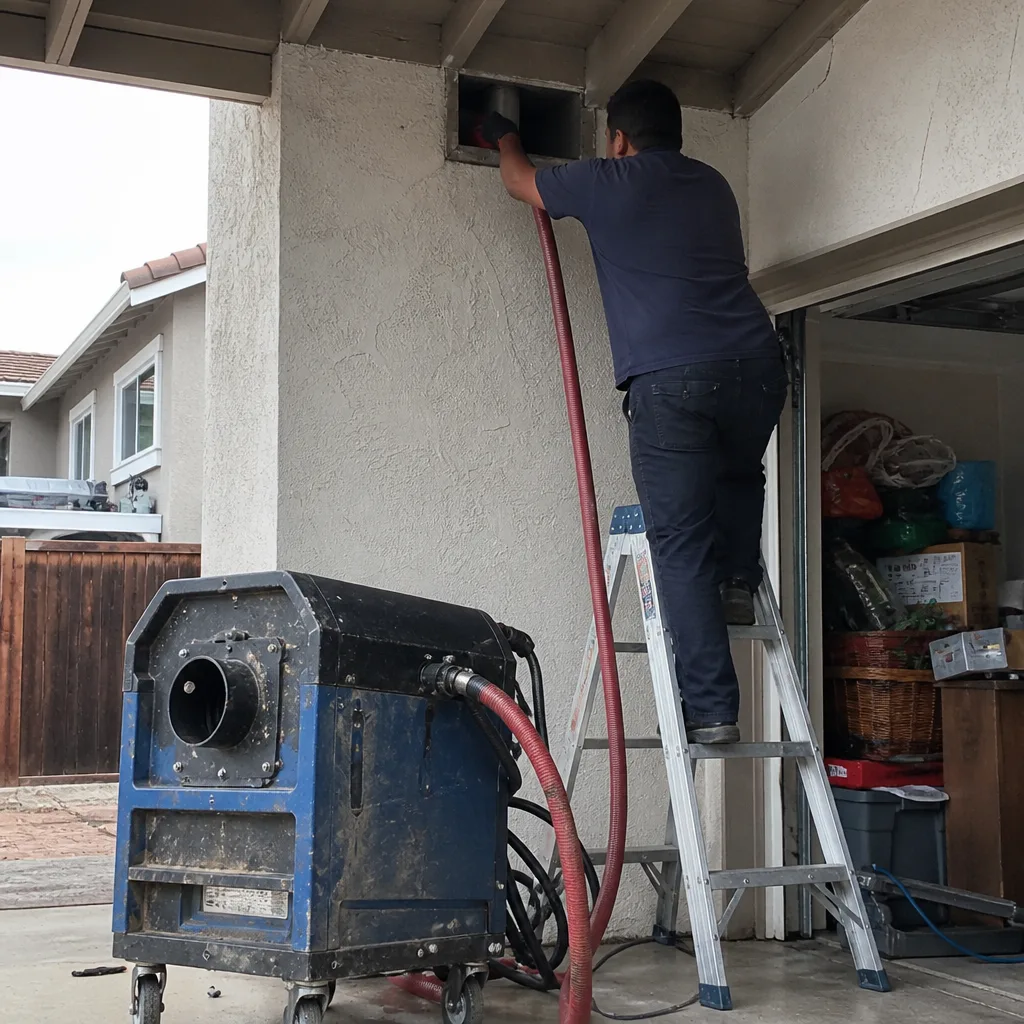 Before
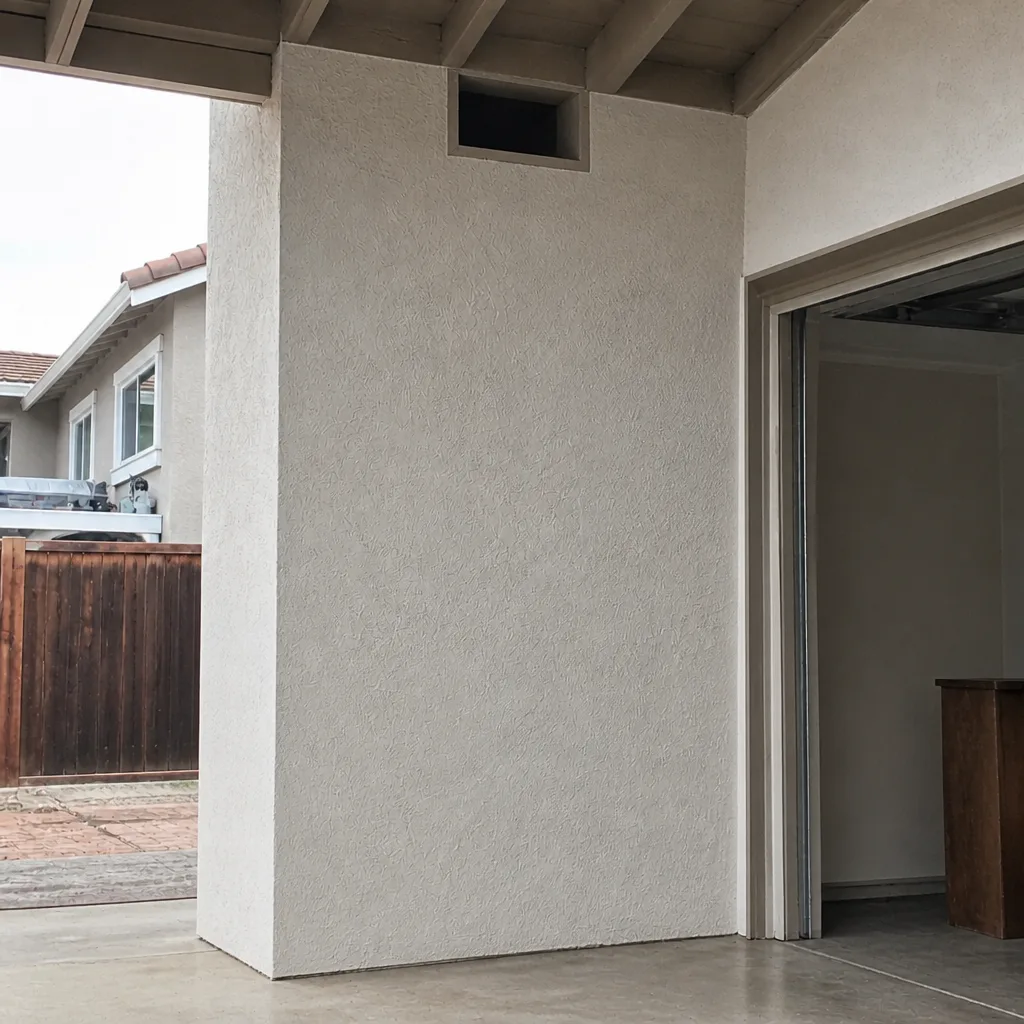 After
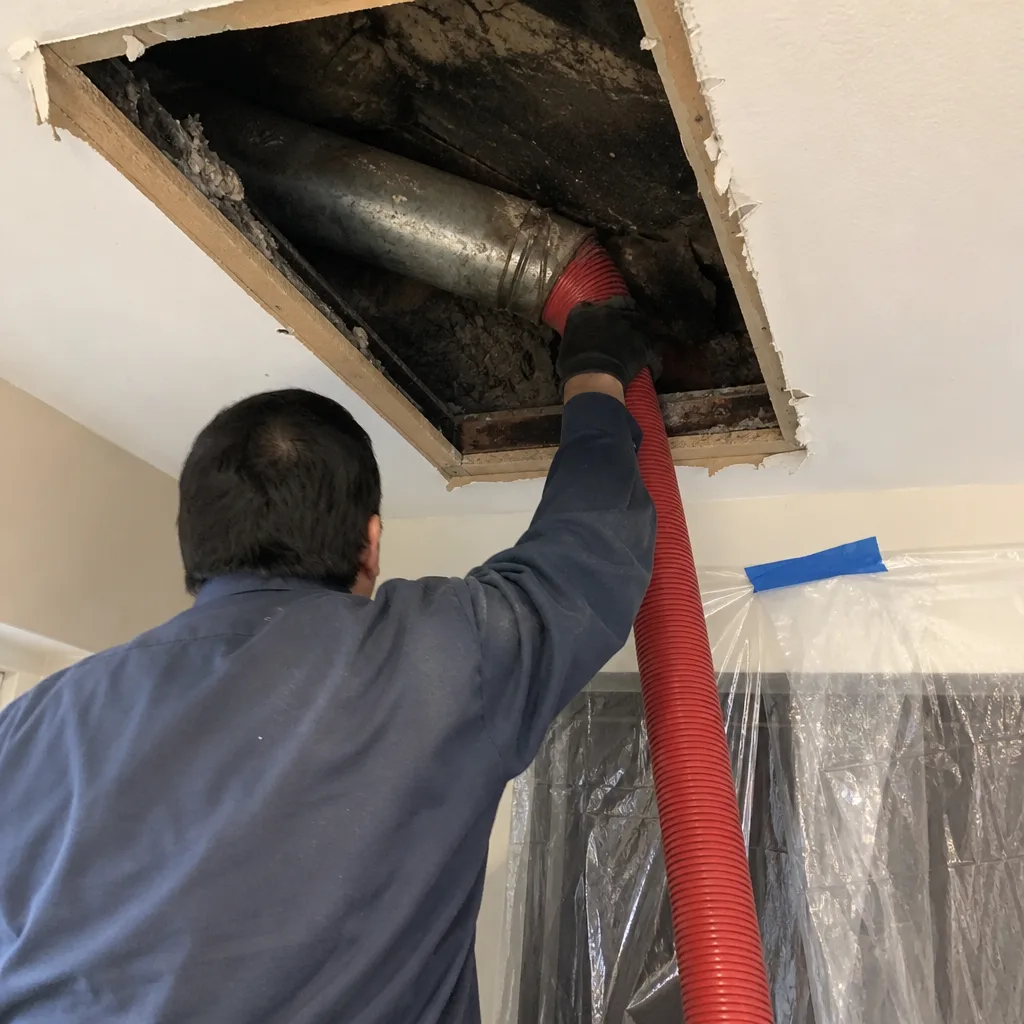 Before
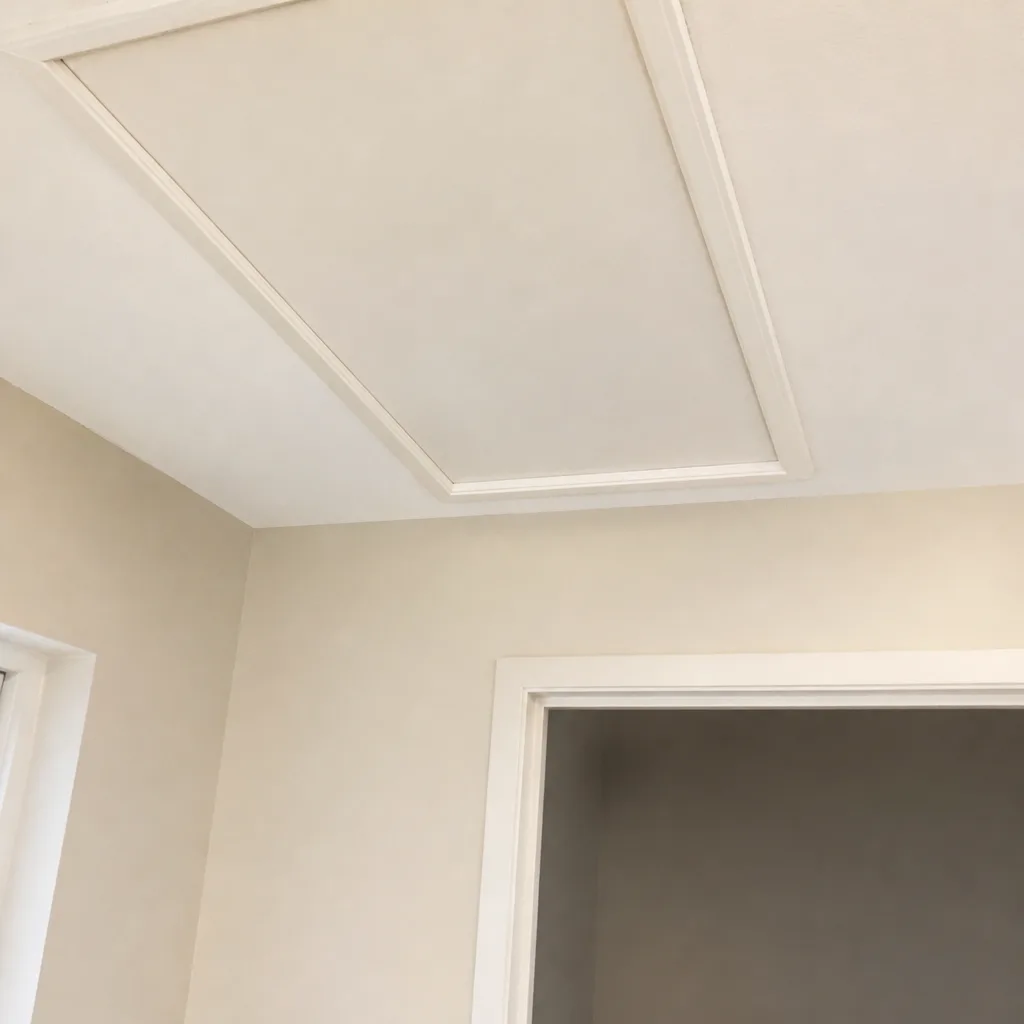 After
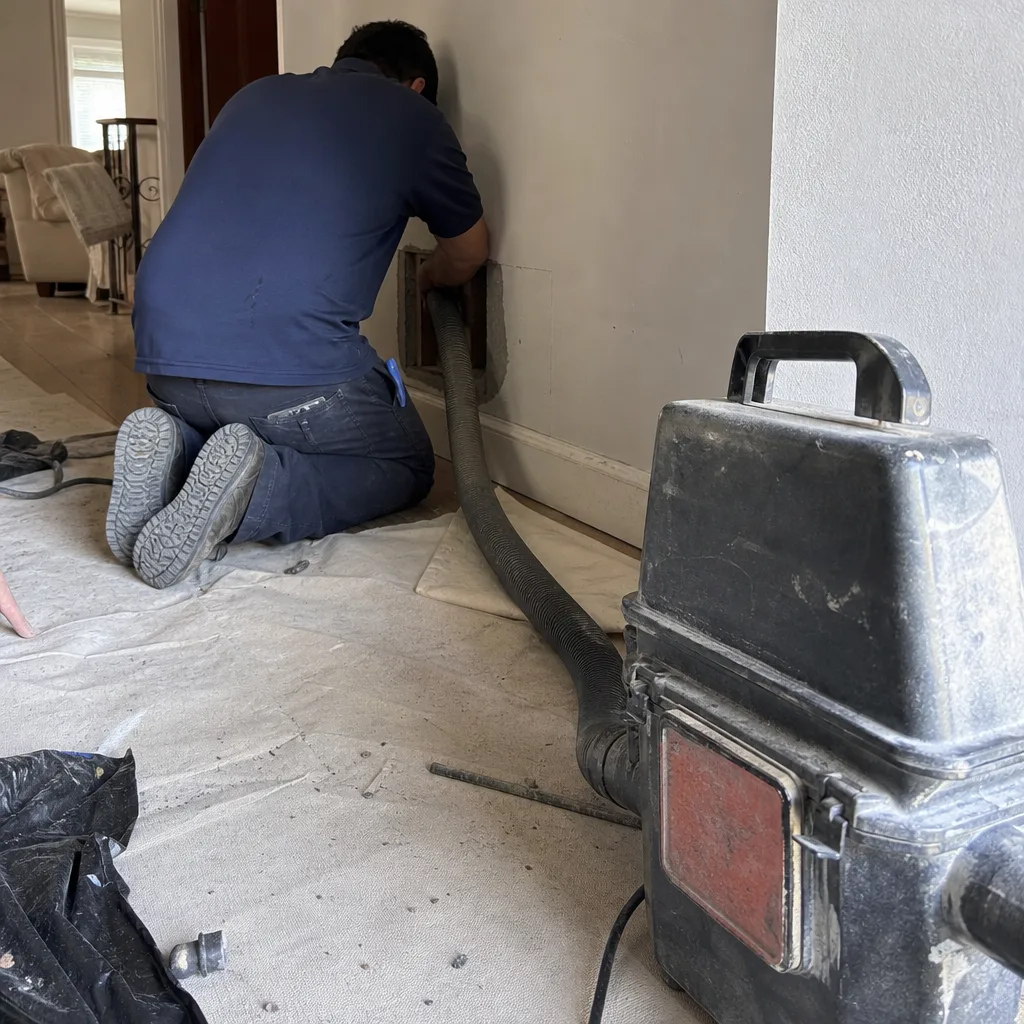 Before
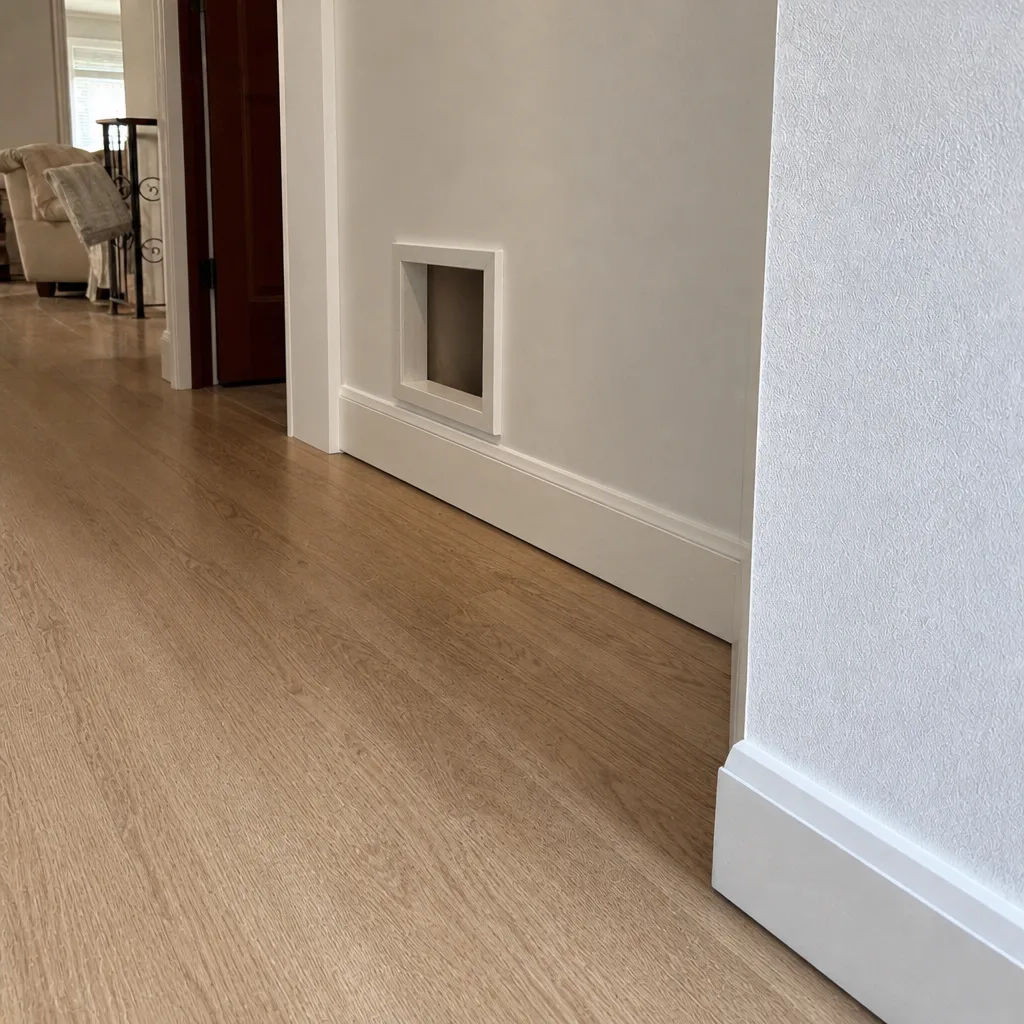 After
When to Call a Professional
Call a professional when a scope question makes you uncertain about the permit line, when a repair is more than surface-level sealing, or when your system shows signs of larger alteration. In South Coast Metro, the scenarios where we see the most benefit are visible dust on supply registers shortly after cleaning, uneven cooling between rooms, musty odors when the air kicks on, and a contractor’s bid that includes a large duct replacement. Any of those means it’s worth a professional conversation about scope, permits, and whether a HERS verification applies. High-tension springs and gas lines are the trade’s obvious safety items; ductwork isn’t dangerous in the same way, but it does hide problems that affect the whole system, and that’s enough to justify a proper inspection.
Air Duct Cleaning South Coast Metro offers free estimates in South Coast Metro. We bring Rotobrush and Nikro cleaning systems, Abatement Technologies HEPA containment, and repair-and-seal capability to a single visit, so more than one vendor doesn’t need to coordinate. Our technicians have up to 8 years of experience. Call (833) 468-5980. We answer 24/7. Fast dispatch from 7am to 7pm, Sunday through Friday.
Frequently Asked Questions
No. Routine air duct cleaning and sanitizing in South Coast Metro does not require a permit. Cleaning restores the existing system; it doesn’t alter it. A permit is only required once the work involves repair, sealing beyond the surface level, replacement, or relocation of ductwork, because those cross into alteration under the California Mechanical Code.
Usually yes, when the repair involves cutting out or replacing a section of duct, relocating a register, or extending a run. Surface-level sealing on an accessible joint is generally not. The line is about whether the system itself is being changed, not just restored. Ask a contractor directly whether a permit is needed for the specific scope before work starts.
When more than 40 feet of ductwork is replaced or relocated, Title 24’s duct leakage standard applies. That typically triggers a duct pressure test conducted by a certified third-party HERS rater, with the result filed with the permit. The contractor should schedule this as part of the job, and the results should be provided to you at completion.
Call the building department for whichever South Coast Metro city the property is in and ask for the permit history on your address. Mechanical permits, inspections, and HERS results are generally part of the public record. If a past repair has no record, a current inspection and pressure test can establish where the system stands now.
Yes. Most homeowner insurers expect code-compliant, permitted work on covered systems, so unpermitted duct alteration can create coverage questions if a claim traces back to it. On the sale side, most California sellers complete a transfer disclosure statement, and unpermitted alteration is a normal disclosure item. A buyer’s inspector may raise it, which costs time or leverage at closing.
No. Cleaning, sanitizing, and filter changes are maintenance and don’t require a permit. The same is true of dryer vent cleaning. If the visit uncovers a leak that needs actual repair, ask the technician to spell out the scope in writing and whether any part of it triggers a permit before approving the extra work. Call (833) 468-5980 for a free estimate on any duct service in South Coast Metro.
The Bottom Line
Cleaning and sanitizing are paper-free in South Coast Metro. Repair, replacement, and relocation are not, and the Title 24 threshold sits at 40 feet of affected ductwork. The safest practice is a written scope of work before any repair begins, with a direct answer on permits and HERS verification. Visual inspections, pressure tests, and HERS verifications are three different things, and only the third is a third-party regulatory document. Equipment and repair capability matter as much as paperwork: a cleaning-only crew can’t fix the leak it finds. Call (833) 468-5980 for a free estimate. We answer 24/7. Fast dispatch from 7am to 7pm, Sunday through Friday.
Written by the team at Air Duct Cleaning South Coast Metro.