
Last updated November 24, 2026
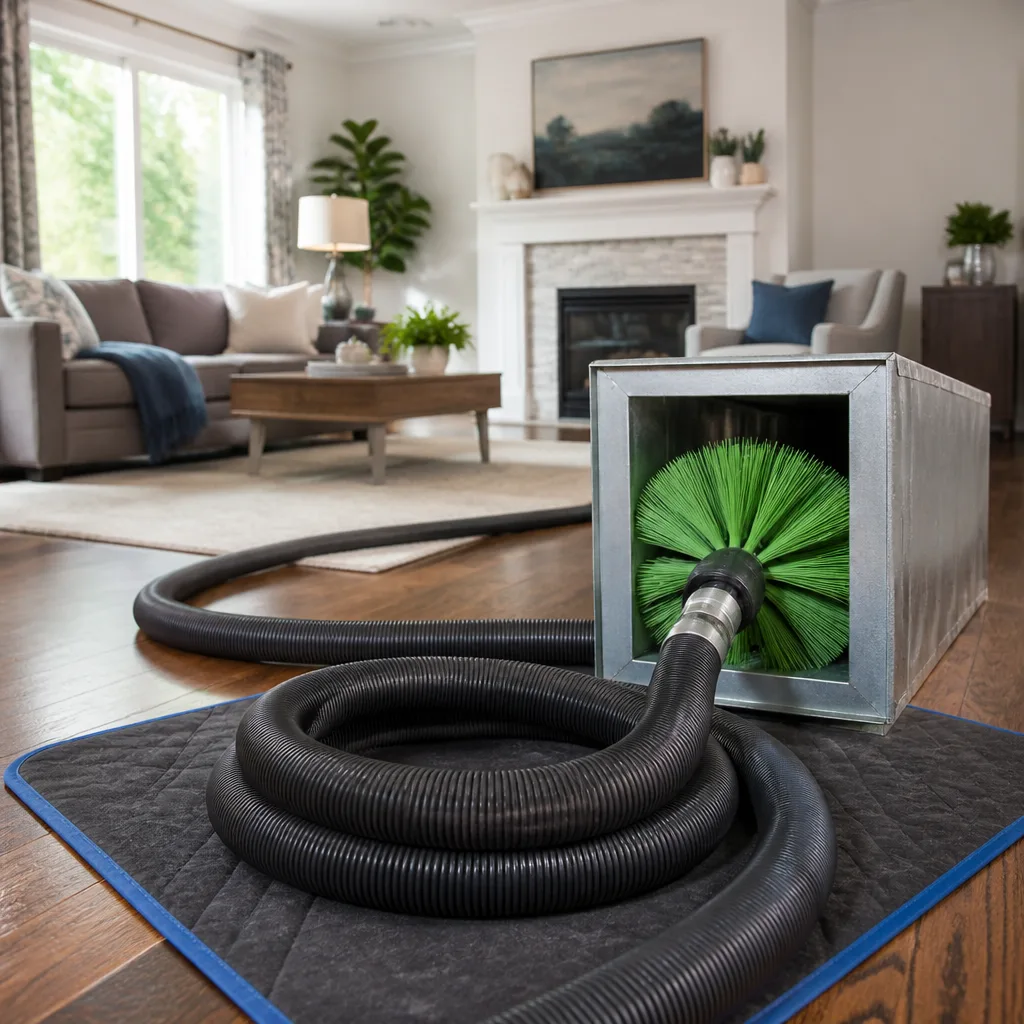 Whole-home duct cleaning
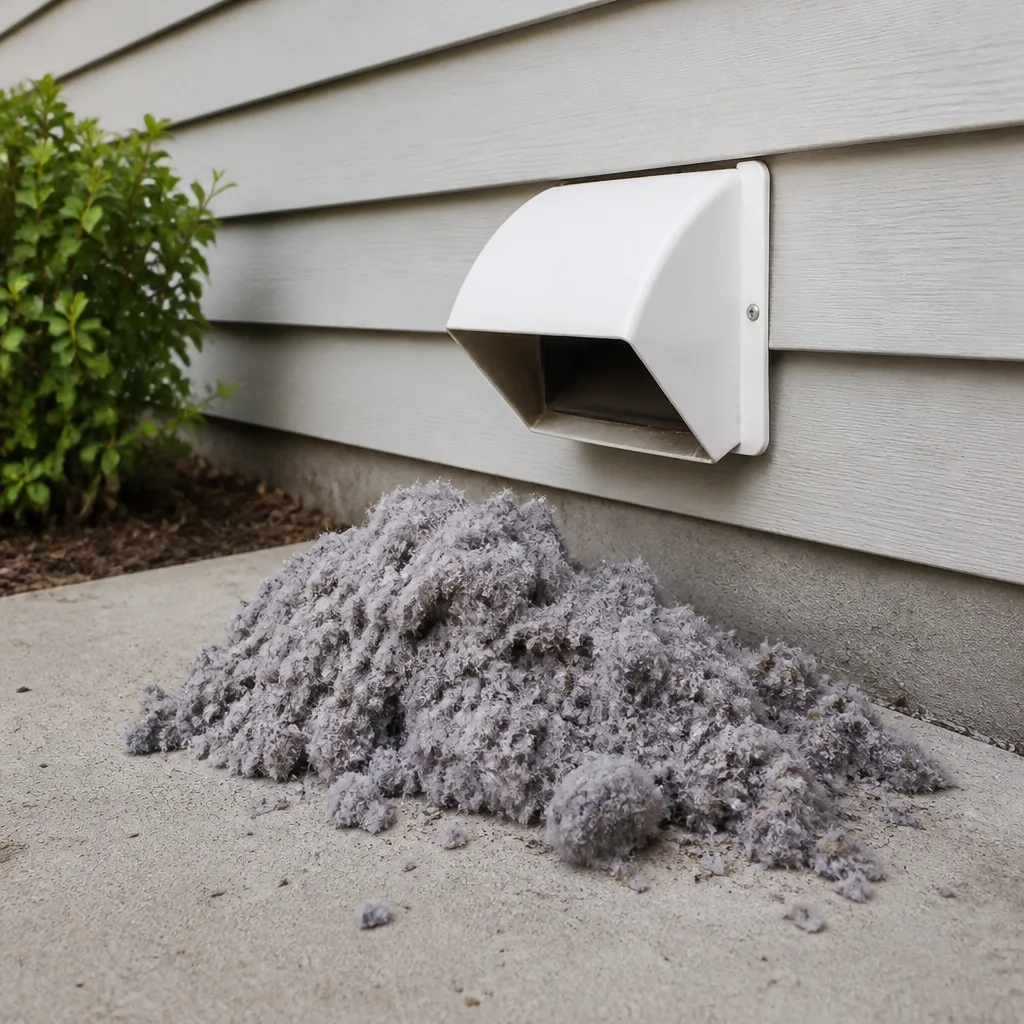 Dryer vent cleaning
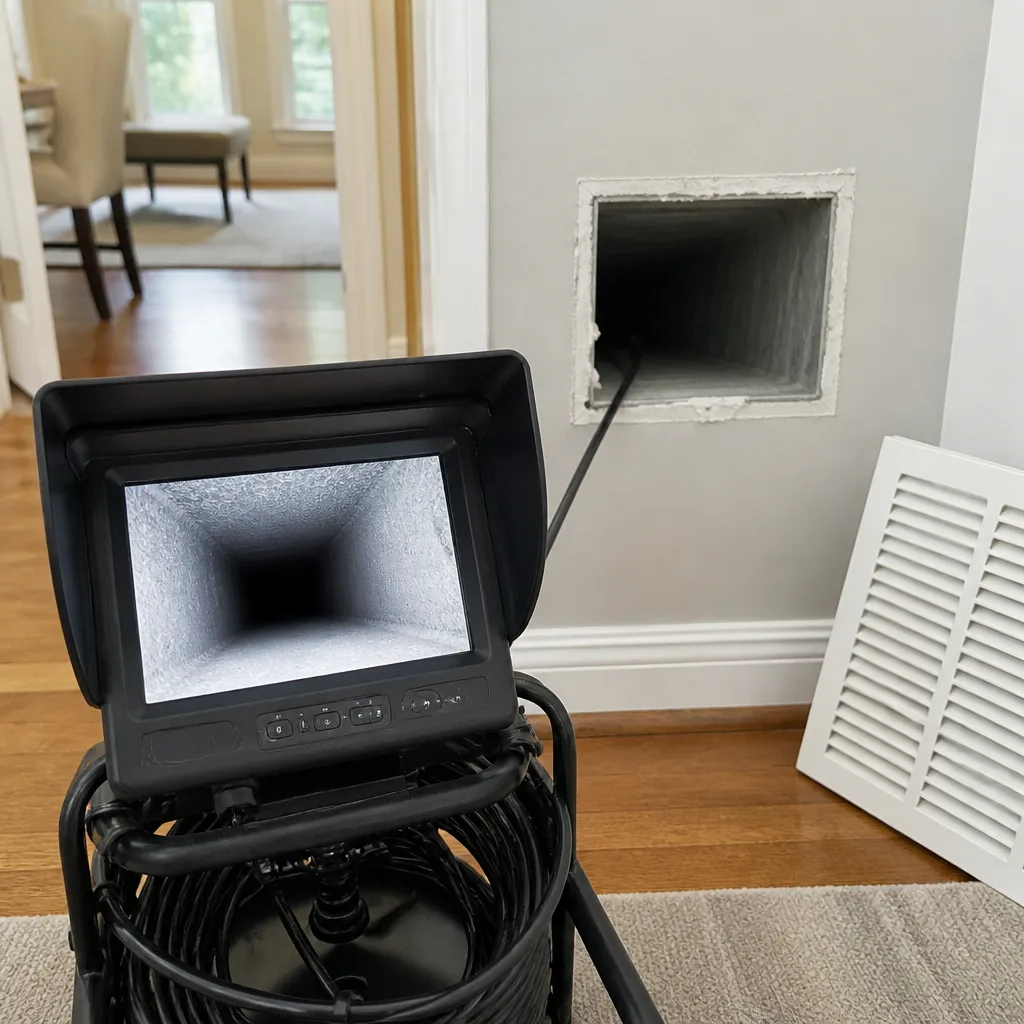 Camera inspection
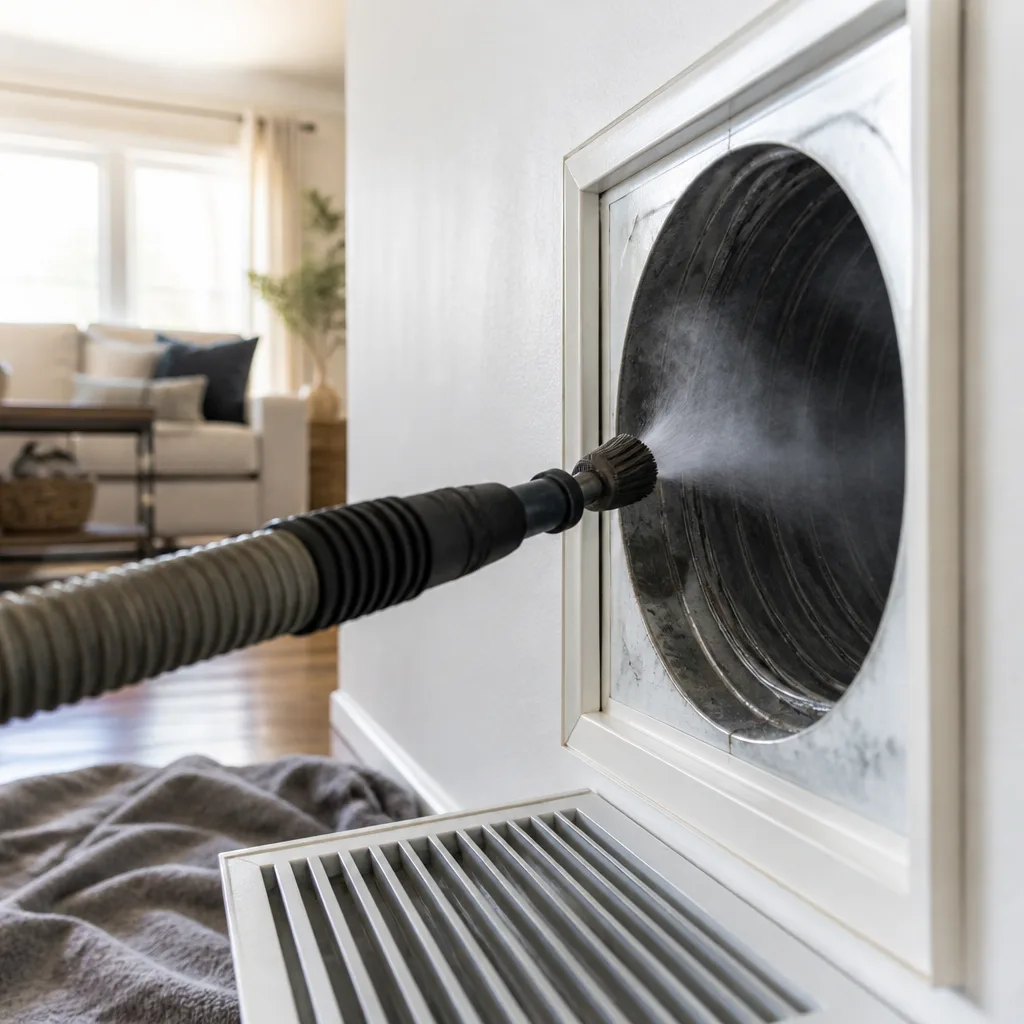 Sanitizing & deodorizing
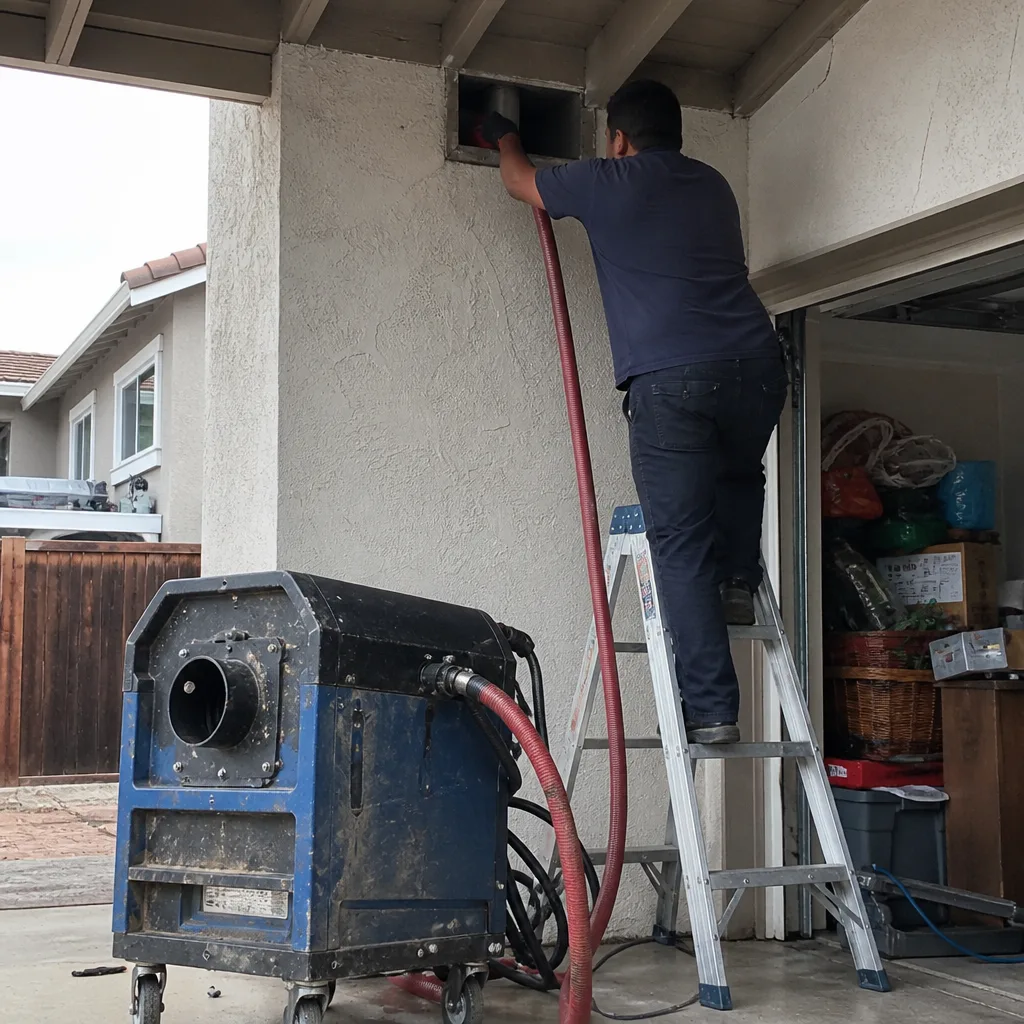
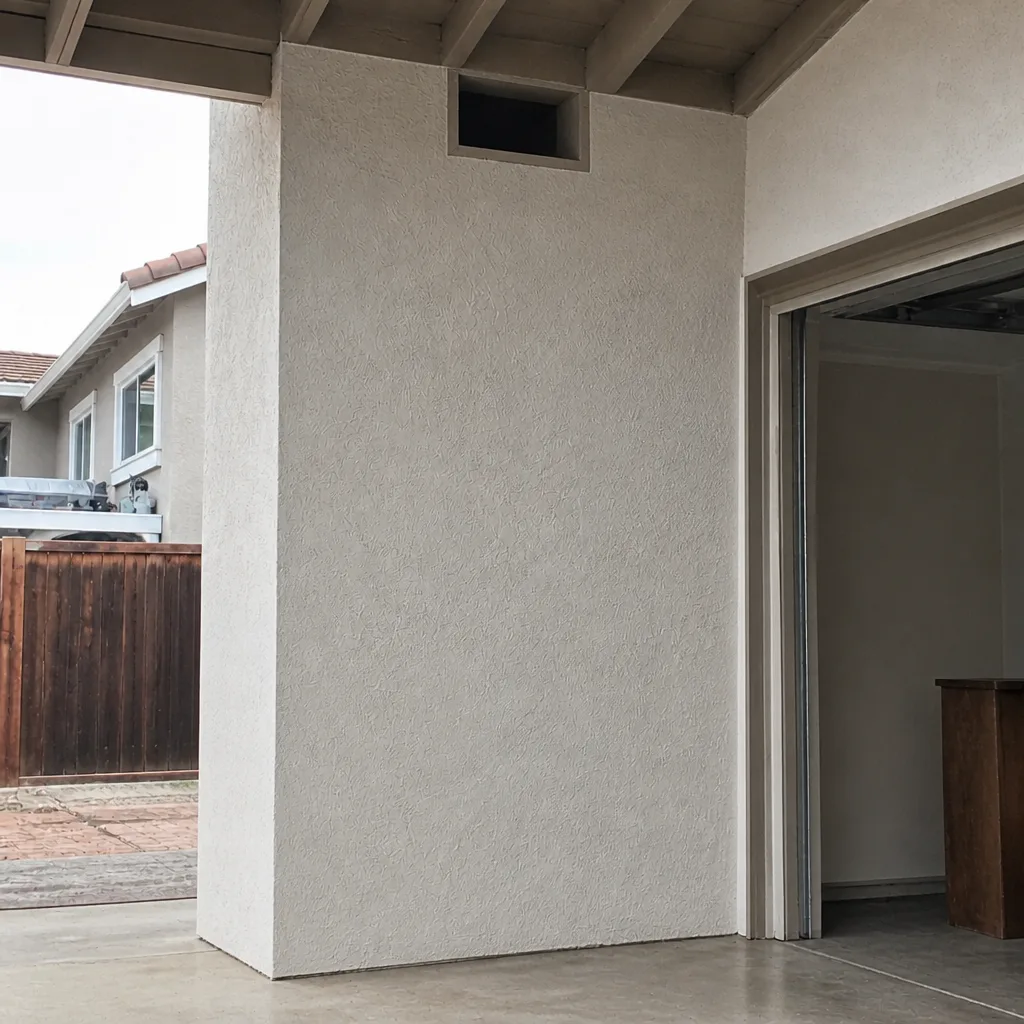
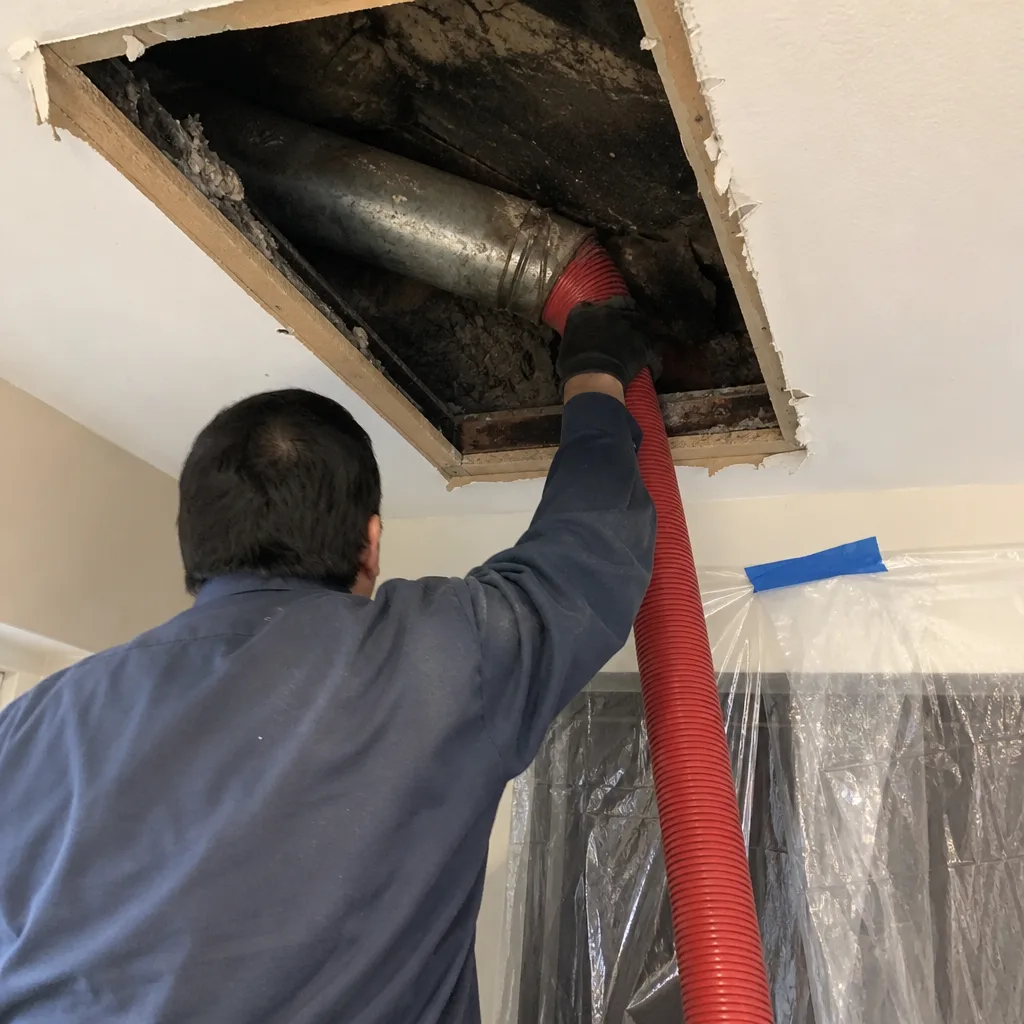
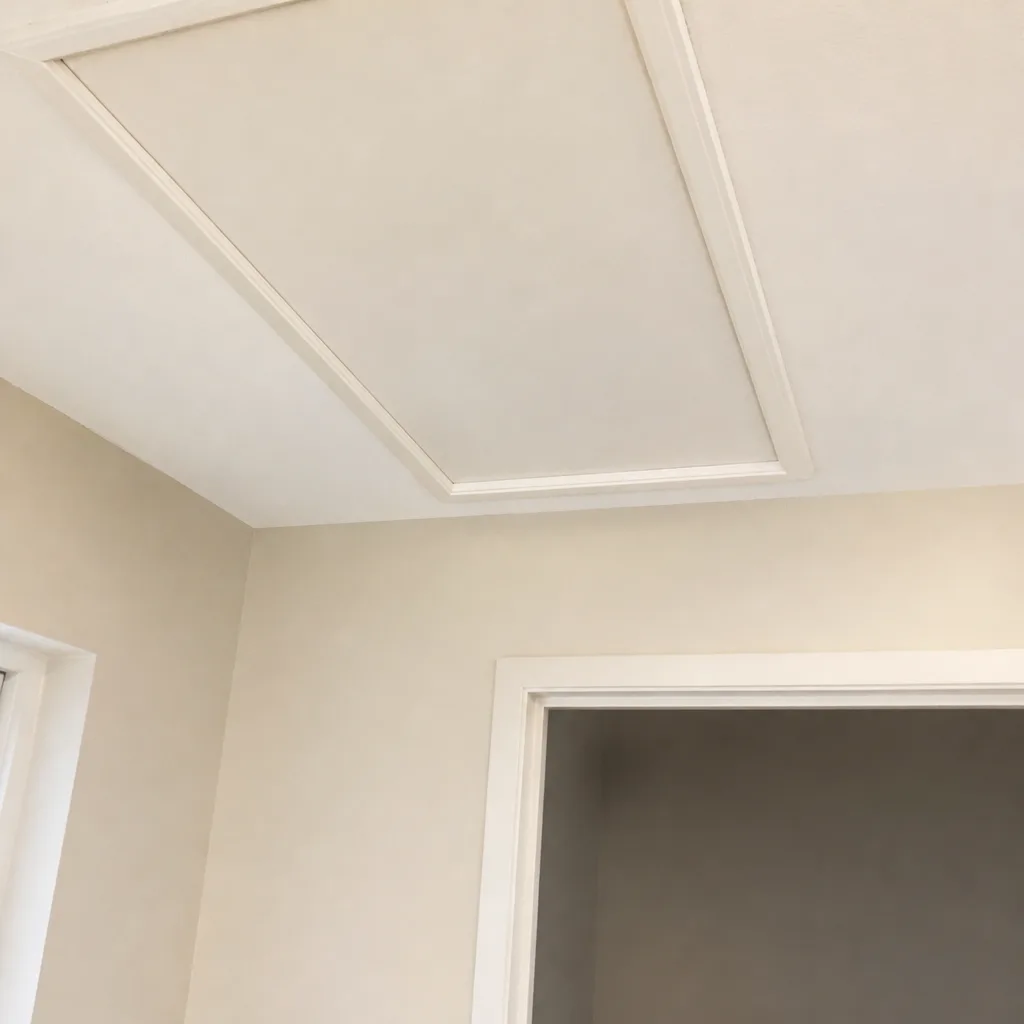
Whole-system duct and dryer vent check with before-and-after photos - you see exactly what came out of your vents
That "$99 whole-house special" is a bait ad - the real number appears once they are in your hallway, or the "clean" is a shop-vac at the register. We photograph the inside of your ducts before and after instead.
Air Duct Cleaning Emergency Preparedness Guide for South Coast Metro Homes
Most homeowners treat duct cleaning as cosmetic housekeeping, something to get around to when the vents look dusty. The opposite is true in South Coast Metro. Here, the duct system is the first line of defense when the region’s air turns against you, and the events that matter are not gradual. Wildfire smoke, water intrusion, and renovation dust all reach your ductwork within hours, and the liner surfaces hold what arrives. This guide lays out a pre-event and post-event response plan for all three scenarios, from HVAC shutdown thresholds to insurance documentation, written from a South Coast Metro business that has watched these recoveries play out.
Quick Answer
Air duct cleaning emergency preparedness in South Coast Metro means having three concrete protocols in place before trouble arrives: an HVAC shutdown-and-seal routine for wildfire smoke days, a 24/48/72-hour duct response plan for water intrusion, and temporary containment measures for renovation dust from neighboring or in-home projects. Homes with a written plan prevent permanent contamination in the duct liner; homes without one usually discover the problem weeks later through odor and airflow loss. Professional inspection and cleaning close the gap for anything the plan cannot handle on its own.
Styles & brands we work with
- Whole-home duct cleaning
- Dryer vent cleaning
- Camera inspection
- Sanitizing & deodorizing
Table of Contents
- Why South Coast Metro Homes Face Three Duct Emergencies, Not One
- Wildfire Smoke: The HVAC Shutdown and Isolation Protocol
- Post-Flood Duct Response: The First 24, 48, and 72 Hours
- Construction Dust: What Actually Blocks It
- Smoke Odor in the Liner vs. Smoke Particulate on the Surface
- Documenting Duct Contamination for an Insurance Claim
- The Pre-Season Duct Preparedness Checklist
- When the Plan Needs Professional Equipment
Why South Coast Metro Homes Face Three Duct Emergencies, Not One
South Coast Metro sits in a peculiar spot. The climate is mild and the housing stock is dense and aging, which means three hazards arrive here with unusual regularity: regional wildfire smoke, interior water intrusion from plumbing failures and roof leaks, and construction dust from a renovation market that rarely slows. Each one pushes contamination into the duct system by a different route, and each needs a different response.
Wildfire smoke arrives airborne, drawn in through the return side while the system runs. Water intrusion arrives as moisture and humidity, feeding microbial growth on damp duct surfaces. Construction dust arrives as a slow accumulation of drywall dust, sawdust, and silica particles pulled into returns over weeks. Homes in South Coast Metro rarely have a written protocol for any of them.
- Smoke: particles and odor infiltrate returns during AQI spikes; liner surfaces capture fine particulate.
- Water: microbial colonization can establish on wet duct surfaces inside 48 hours.
- Construction dust: drywall and silica dust settles in ductwork and clogs coils and blowers.
The common thread is timing. All three give you a narrow window to act before the contamination moves from the duct surface into the duct’s liner or insulation, where a simple cleaning will not reach it. A preparedness plan is really a set of deadlines you already know about. Our technicians have up to 8 years of experience, and the pattern is consistent: homes with a plan recover faster and cheaper.
Wildfire Smoke: The HVAC Shutdown and Isolation Protocol
When regional wildfire smoke pushes AQI into unhealthy ranges, the first move is not cleaning. It is shutting the system down and sealing the pathway. During major smoke events across the region, homes that ran their HVAC systems through the first hours of AQI elevation ended up with fine particulate deposits embedded in their duct liner that a standard filter change could not resolve. The reason is simple: a running system pulls outdoor smoke through the return side and distributes it through the whole house.
Here is the shutdown and isolation protocol we recommend for South Coast Metro homes when smoke arrives:
- Trigger the protocol at AQI 100 or above (unhealthy for sensitive groups) if anyone in the home has asthma or allergies, and at 150 for everyone else. Check AQI at the start of the day and again in the afternoon; smoke conditions shift quickly.
- Turn the thermostat to OFF, not to fan-only. Fan-only keeps the blower moving air through the system and pulls smoke through the filter.
- Close the fresh-air intake if your system has an outside air damper or economizer, and close windows, doors, and fireplace dampers.
- Seal return grilles with a plastic sheet and painter’s tape. Returns are the suction side; sealing the largest returns cuts infiltration sharply.
- Set up a portable HEPA air cleaner in the room where the household sleeps. One clean room is more effective than partial filtration everywhere.
- Do not run the system again until the AQI drops below 50, and when you do restart it, change the filter first and inspect the return grilles for visible ash.
- Book an inspection if the smoke event lasted more than 48 hours or the system ran at any point during the event.
Sealing returns with painter’s tape is temporary, and that is fine. The point is to break the pathway between outdoor smoke and the duct liner long enough for the event to pass. Homeowners who skip the shutdown step often end up with residual smoke odor months later, which is a much harder problem than smoky air during the event itself.
Post-Flood Duct Response: The First 24, 48, and 72 Hours
Water in a South Coast Metro home, whether from a slab leak, an overflowing appliance, or a roof failure during a winter storm, reaches the duct system faster than most homeowners expect. Ducts run through walls and ceilings, and water finds the lowest point in the pathway. The response timeline below is what determines whether you end up with a cleaning job or a remediation job.
First 24 hours
- Turn the HVAC system off at the breaker. Do not run the blower; it spreads moisture through the pathway.
- Photograph the water intrusion and any visible moisture in return or supply grilles before anything is moved.
- Remove and bag any wet filters. Do not reuse them.
- Start structural drying (fans, dehumidifiers) in the flooded area. The goal is to lower ambient humidity in the whole zone, not just the wet room.
- Call your insurer and open a claim. Duct contamination from water intrusion is a claimable loss in most policies, but only if documented early.
48 hours
- Check for musty odor near supply registers. Odor at this stage signals microbial activity, not just dampness.
- Have a professional inspect the duct interiors. A camera inspection is the only reliable way to see what is happening inside flex duct and insulated ductwork.
- Do not fog the ducts with an over-the-counter product. You will mask the smell and destroy the evidence your claim depends on.
72 hours
- By 72 hours, damp duct interiors are a microbial risk. If the inspector found visible growth or elevated moisture readings, professional cleaning and sanitizing is the next step, not a wait-and-see approach.
- Document the cleaning scope and results for the insurer.
The single biggest error we see in South Coast Metro flood recoveries is restarting the system too early to “dry things out.” Running the air handler pushes moisture into duct sections that were previously dry. Keep the system off until the inspector clears it.
Construction Dust: What Actually Blocks It
South Coast Metro has one of the more active renovation markets in the region, which means two kinds of construction dust reach your ductwork: dust from your own remodel and dust from a neighbor’s. Both contain drywall dust, sawdust, and fine silica particles that coat the inside of ductwork, clog the blower wheel, and settle into the evaporator coil.
Working with a contractor is where the protection actually happens. Most of the dust you see in a home during a remodel is pulled there by the HVAC system itself; the return side acts like a shop vacuum for the entire job site.
What actually works during a renovation:
- Seal the return grilles before demolition begins. Plastic sheeting and painter’s tape across every return in the work zone is the highest-value measure you can take.
- Run the system on low fan only during the day, or off entirely if the weather permits. The blower pulls dust from the work area into the whole pathway.
- Change filters on a short cycle during the project. A pleated filter traps more than a fiberglass panel, but only if it is not already loaded.
- Use zip-wall containment between the work zone and the rest of the house. Plastic sheeting and zippered doorways cost far less than cleaning an entire duct system later.
- Schedule a post-project inspection before the final walk-through, so any duct cleaning or repair and sealing that is needed happens before furniture goes back in.
What does not work: opening windows and hoping for the best, running the system harder, and using a box fan in a doorway without sealing the perimeter. If dust reached your ducts anyway, the fix is professional air duct cleaning with a rotary brush that contacts the duct wall, not a blowout that redistributes the dust into the room.
Smoke Odor in the Liner vs. Smoke Particulate on the Surface
Smoke leaves two distinct problems in a duct system, and treating them as one is why so many post-fire cleanings fail. Surface particulate is the obvious one: fine ash sitting on the duct walls, grilles, and blower wheel. Smoke odor in the liner is different. It is fine particulate and combustion byproduct that has migrated into the porous inner surface of the duct liner or the insulation facing on insulated ductwork. It does not come off with a wipe, and it does not go away with time.
Here is the practical difference for South Coast Metro homeowners:
- Surface particulate responds to rotary-brush contact cleaning. A professional HVAC cleaning with a Rotobrush rotary brush contacts the duct interior and lifts the ash; HEPA vacuum capture pulls it out of the system rather than into the room. Odor usually resolves within days after cleaning.
- Odor embedded in the liner needs a different approach. The cleaning step still applies, but the liner needs a sanitizing treatment afterward, applied by a professional who understands how to reach the full run and not just the visible sections near the registers. The sanitizing phase is the layer that neutralizes the odor source; without it, the smell returns on the first warm day.
The test is simple. If the odor is strongest at the first cool morning after a smoke event, or comes back whenever the system runs long, the problem is likely in the liner. If the odor was strongest during the event and fades over a week, you probably have surface particulate that cleaned up well.
One important safety note: do not use ozone generators inside the duct system to “kill” smoke odor. They contaminate the duct with ozone, and they do not remove the particulate that will re-release the smell. Professional cleaning and sanitizing is the correct order.
Documenting Duct Contamination for an Insurance Claim
Insurance claims for duct contamination from smoke or water intrusion are won or lost on documentation. Most homeowner policies cover sudden and accidental contamination (like water damage or smoke infiltration during a fire), but the claim needs a professional report that connects the observed contamination to the covered event.
A professional inspection report for an insurance claim in South Coast Metro needs to include:
- Photographic evidence before any cleaning, including close-ups of affected duct interiors using a camera on a flexible probe, with the location of each photo identified by room or system section.
- Moisture readings for any water-related claim, taken at multiple points along the duct run and at the air handler.
- A written scope of work listing the cleaning method, the equipment used, the sections of ductwork covered, and the sanitizing step for any odor or microbial finding.
- A contamination source narrative linking the observed condition (smoke ash, microbial growth, dust loading) to the dated event (fire, water intrusion, renovation).
- Before-and-after photographic documentation of the same duct locations, so the adjuster can verify the result.
Asking for an inspection before the cleaner starts is the single most important step. Once the ductwork has been cleaned, the documentation window is closed. If your insurer requests an independent review, ask the inspector to prepare the report in a format your adjuster can accept. Our Abatement Technologies negative-air and HEPA containment setup during cleaning also produces a clean record of the work environment, which some adjusters find useful for verifying that cross-contamination was controlled.
The Pre-Season Duct Preparedness Checklist
Preparedness is cheap compared to recovery. This checklist takes an afternoon to complete and covers all three emergencies in this guide, plus one more: dryer vent fire risk, which is its own category of home emergency and one worth addressing on the same day. Book dryer vent cleaning as part of the same visit if you have not had the vent checked in a while.
- Note your air handler location and breaker number and post both where the household can find them in the dark.
- Stock basic materials: plastic sheeting, painter’s tape, a spare pleated filter, a portable HEPA air cleaner, and a flashlight.
- Write down the AQI triggers (100 for sensitive households, 150 for others) and post them near the thermostat.
- Photograph your ductwork at the registers so you have a baseline “before” set for any future claim.
- Book an annual inspection for late summer, ahead of fire season, so any liner contamination is caught early.
- Consider a standby air quality upgrade for the final pathway step: a media filter compatible with Honeywell or Aprilaire equipment, installed after a professional cleaning, gives you a measurable layer of protection for the next event.
The reason this checklist matters in South Coast Metro is that the region’s hazards arrive with notice. Wildfire smoke is forecast days ahead. Water intrusion usually announces itself. Renovations are scheduled. You get the warning; what you do with it decides the outcome.
When the Plan Needs Professional Equipment
Some of this guide is D-I-Y-able: sealing returns with tape, closing dampers, photographing before and after. The cleaning, containment, sanitizing, and repair-and-sealing portions are not. The difference is that a consumer vacuum or a rented blower does not contact the duct wall, does not capture contaminated air under negative pressure, and does not seal the leaks that re-contaminate a duct after cleaning.
When the plan needs professional equipment, it usually looks like this:
- Smoke event lasted more than 48 hours and the system ran at any point during it.
- Any water intrusion reached the air handler, return plenum, or flexible ductwork.
- Dust from a renovation is visible at the registers or the coil is coated in drywall dust.
- Odor returns within days of a cleaning you did not hire a professional to do.
- An inspection reveals failing flex duct, loose connections, or a duct run that pulls outside air into the system.
These are the situations that call for a professional with rotary-brush cleaning, HEPA containment, and the ability to repair and seal what they find. Most cleaning outfits only clean and move on; duct repair and sealing is the step that closes off re-contamination at the source. If you are also due for a broader system assessment, our Air Duct Cleaning South Coast Metro main page explains how the five-service scope fits into one visit.
Common Mistakes to Avoid
- Running the HVAC system during a smoke event. The blower pulls outdoor smoke straight into the return side. Shut the system down at the first AQI trigger, not the second.
- Restarting a flooded system “to dry it out.” The air handler pushes moisture into previously dry duct sections. Wait for the inspector’s clearance.
- Using an ozone generator inside the ductwork. It contaminates the system with ozone and masks the odor without removing the particulate causing it.
- Skipping containment during renovation. A few dollars of plastic sheeting and tape across the returns would prevent the majority of construction dust infiltration.
- Letting the cleaner start before the insurance inspector photographs. Once the duct is cleaned, your claim evidence is gone. Document first.
- Treating a duct blowout as a duct cleaning. An air-only blast redistributes dust into the room instead of capturing it. Ask what equipment will be used on the job.
- Clean, then leave. A cleaning that does not address failing connections or duct leaks will re-contaminate quickly. Repair and seal belongs in the same job as the cleaning.
See the difference
 Before
 After
 Before
 After
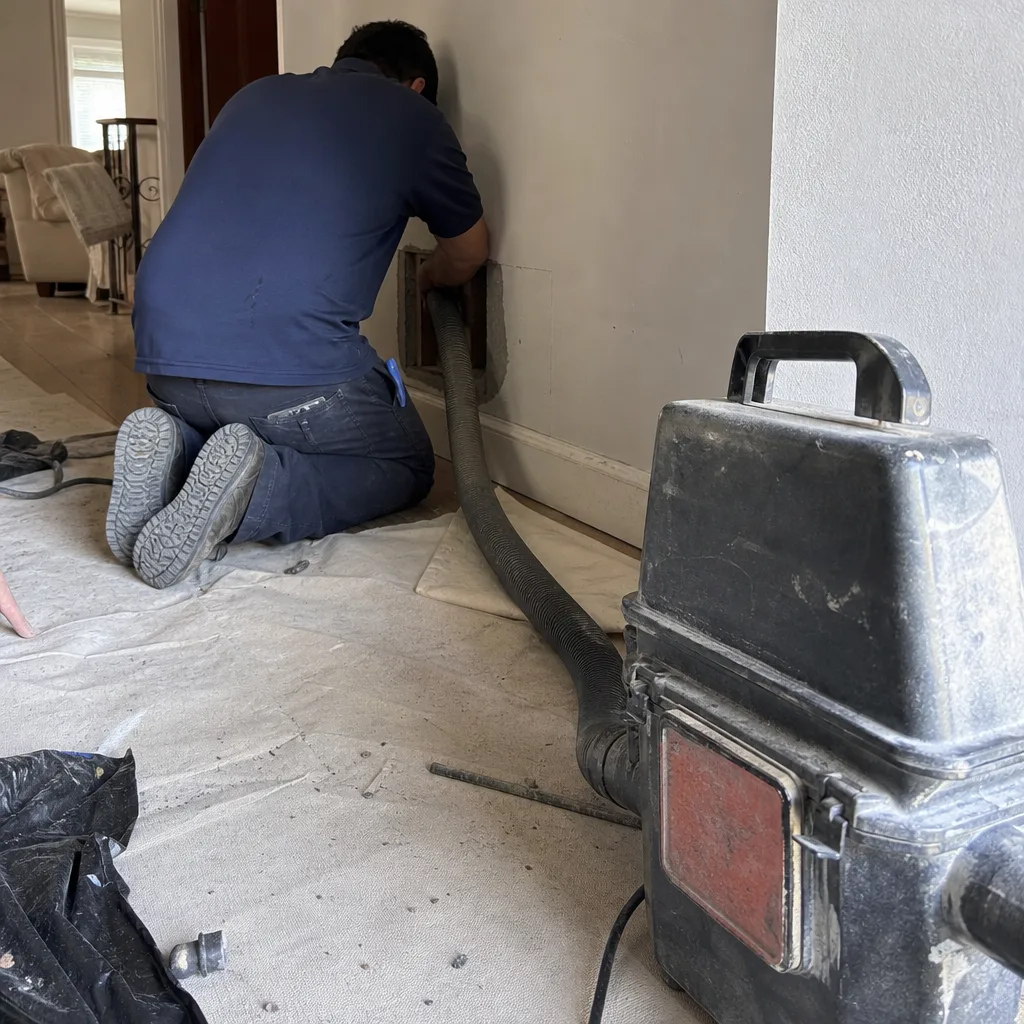 Before
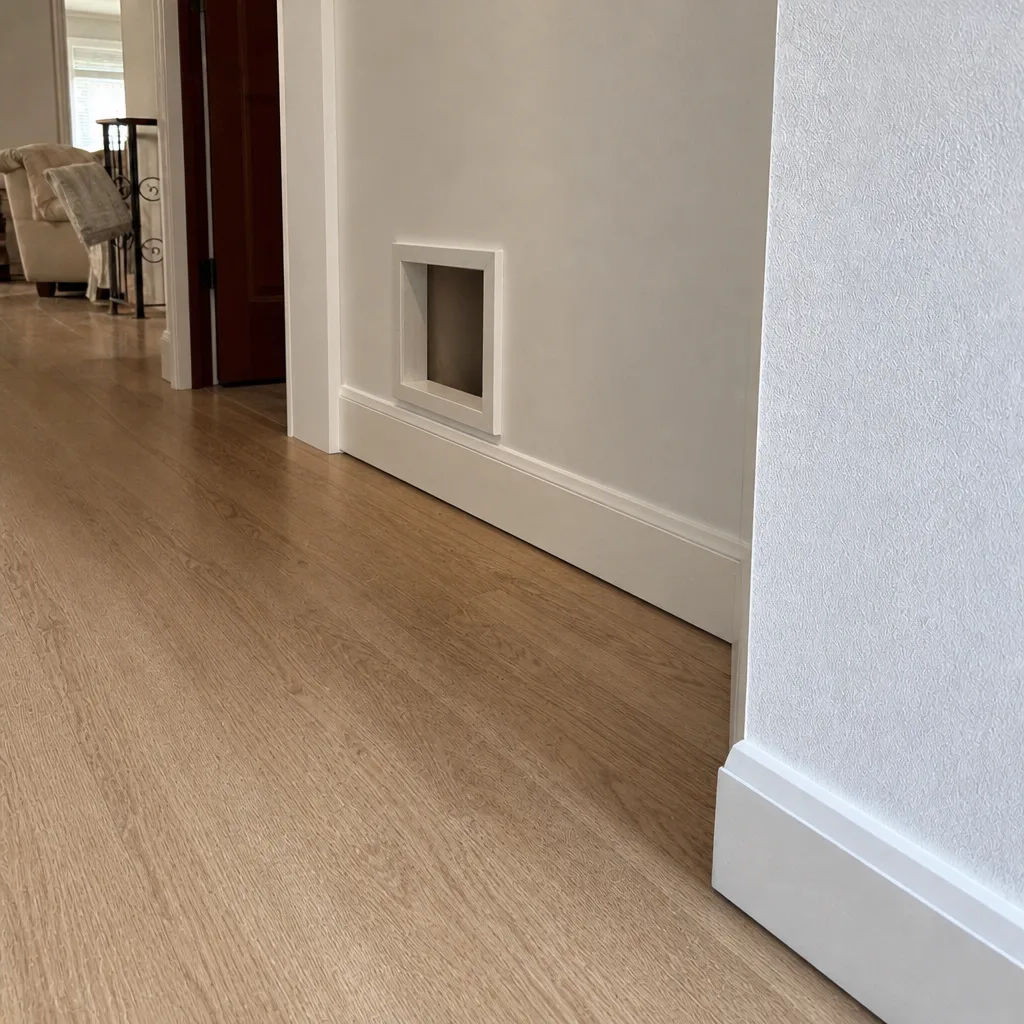 After
When to Call a Professional
Call us when the plan is beyond what tape and patience can handle. The specific scenarios: smoke events that lasted more than 48 hours while the system was running; any water intrusion that reached the air handler or return plenum; visible dust coating the evaporator coil after a renovation; smoke odor that returns within days of an attempt at cleaning; and any inspection finding of loose or failing duct connections. We’re also the call to make if you want an inspection on the calendar ahead of fire season, so you have a documented baseline for a future claim.
Air Duct Cleaning South Coast Metro offers free estimates in South Coast Metro. Call (833) 468-5980 to book an inspection. We answer 24/7. A call outside dispatch hours is booked into the next opening, Sunday through Friday, 7am to 7pm. Dispatch runs 7am to 7pm, and the estimate is free, with one flat price per system agreed before work starts and before-and-after photos of your own ductwork.
Frequently Asked Questions
If the system runs through a smoke event, fine particulate can begin embedding in the duct liner within the first two hours of AQI elevation, which is why the shutdown protocol matters. The visible cleaning may resolve surface ash, but liner-embedded particulate and odor need professional cleaning plus sanitizing. If your system ran through a smoke event in South Coast Metro, call (833) 468-5980 for an inspection. Estimates are free.
Yes. A HEPA filter on the return side helps, but the blower still pulls outdoor smoke into the system housing and the filter box, and it distributes whatever bypasses the filter. The safest move is to turn the system OFF (not to fan-only), seal the largest returns with plastic and tape, and run a portable HEPA air cleaner in one room instead. Restart only when the AQI drops below 50 and you have changed the filter.
Microbial activity can take hold in damp duct interiors within 48 to 72 hours of water intrusion, especially in humid months. The response window matters: keep the system off, remove wet filters, start structural drying, and get a professional inspection with moisture readings before the 72-hour mark. Cleaning and sanitizing after the fact is standard; calling it in early is the difference between a small job and a large one.
Surface particulate is fine ash and soot on the duct walls and grilles; it responds well to rotary-brush contact cleaning and HEPA capture. Liner-embedded odor is combustion byproduct that has migrated into the porous duct liner. Cleaning alone will not fix it. The sanitizing phase, applied by a professional to the full duct run, is what neutralizes the odor source. If the smell comes back when the system runs, you have liner-embedded odor.
Seal every return grille in and near the work zone with plastic sheeting and tape before demolition begins, use zip-wall containment between the work area and the rest of the home, and change filters on a short cycle during the project. If a post-project inspection finds visible dust in the ducts or on the evaporator coil, schedule cleaning with the brush, not a blower, and include repair and seal if any duct connections were disturbed.
In many policies, yes, if the contamination is sudden and accidental (smoke infiltration during a fire, water intrusion, or similar covered event). What decides the claim is documentation: pre-cleaning photographs of duct interiors, moisture readings, a written scope of work, and a contamination-source narrative that ties the findings to the dated event. Request the inspection before cleaning begins, then call (833) 468-5980 to set it up. Estimates are free.
The Bottom Line
South Coast Metro homes face real, repeated duct emergencies, and each one has a narrow window before contamination settles into the duct liner. The plan is simple: post the AQI triggers and shut down the system early during smoke events; keep the system off and dry structural areas in the first 72 hours after water intrusion; seal returns and contain dust during any renovation; and document everything before cleaning. The cleaning, sanitizing, and repair-and-sealing steps are where professional equipment earns its keep. If you have a question about your specific situation, call (833) 468-5980. We answer 24/7. Fast dispatch from 7am to 7pm, Sunday through Friday. Estimates are free, and you’ll get one flat price per system, with photos of your own ductwork before and after.
Written by the team at Air Duct Cleaning South Coast Metro.