
Last updated November 24, 2026
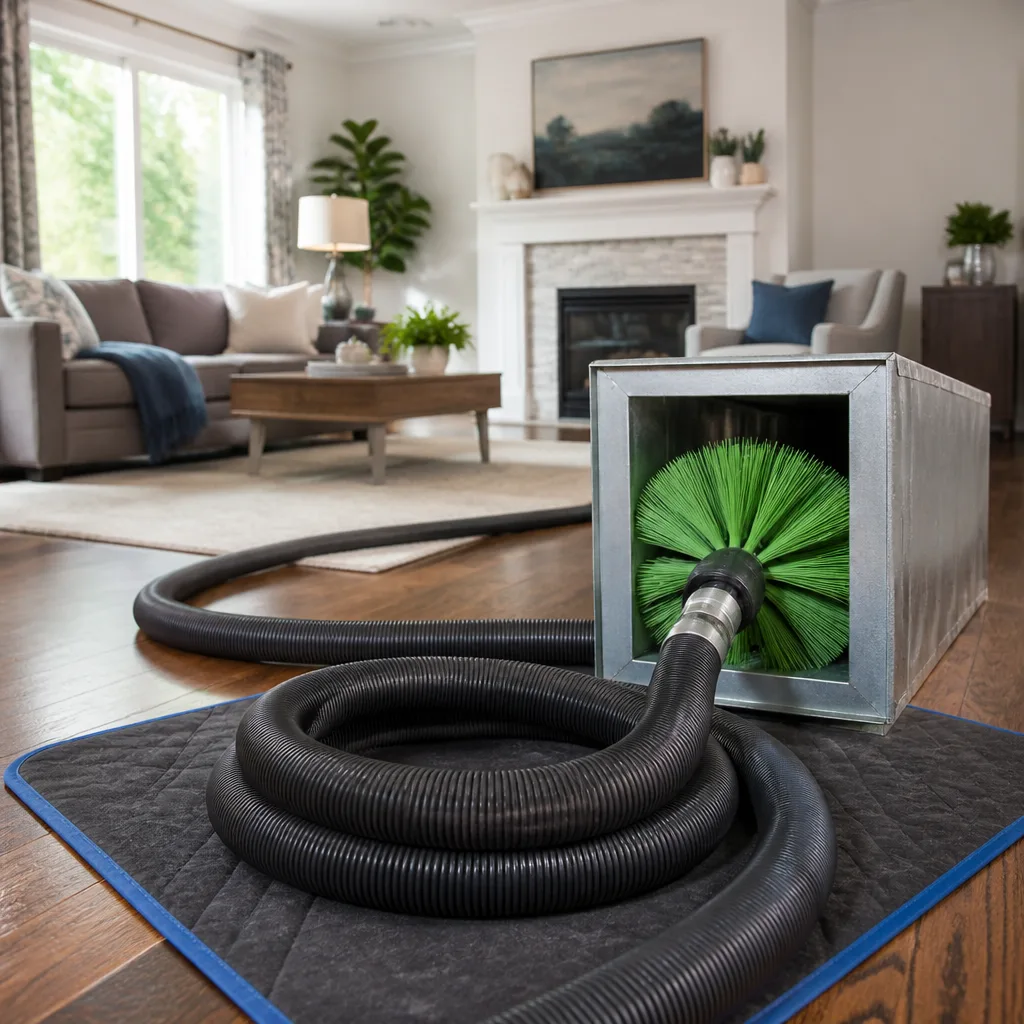 Whole-home duct cleaning
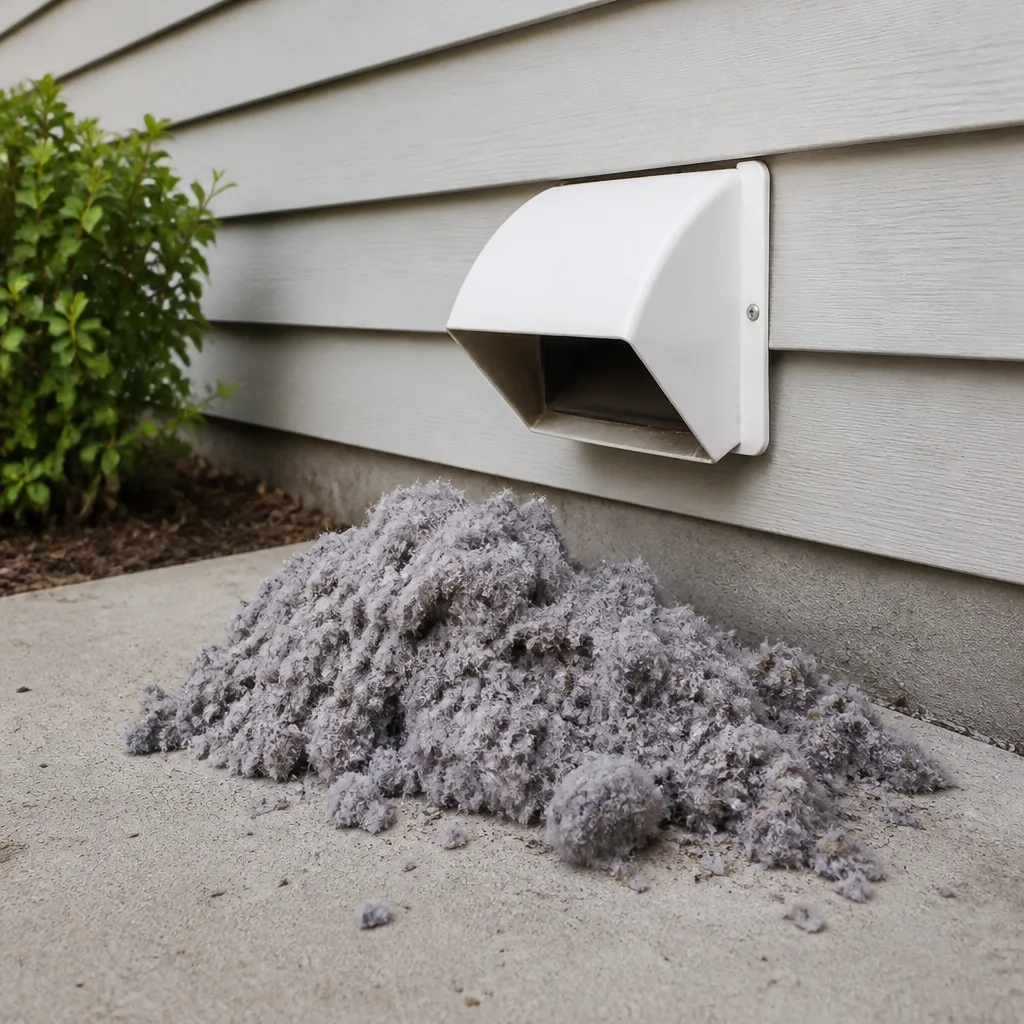 Dryer vent cleaning
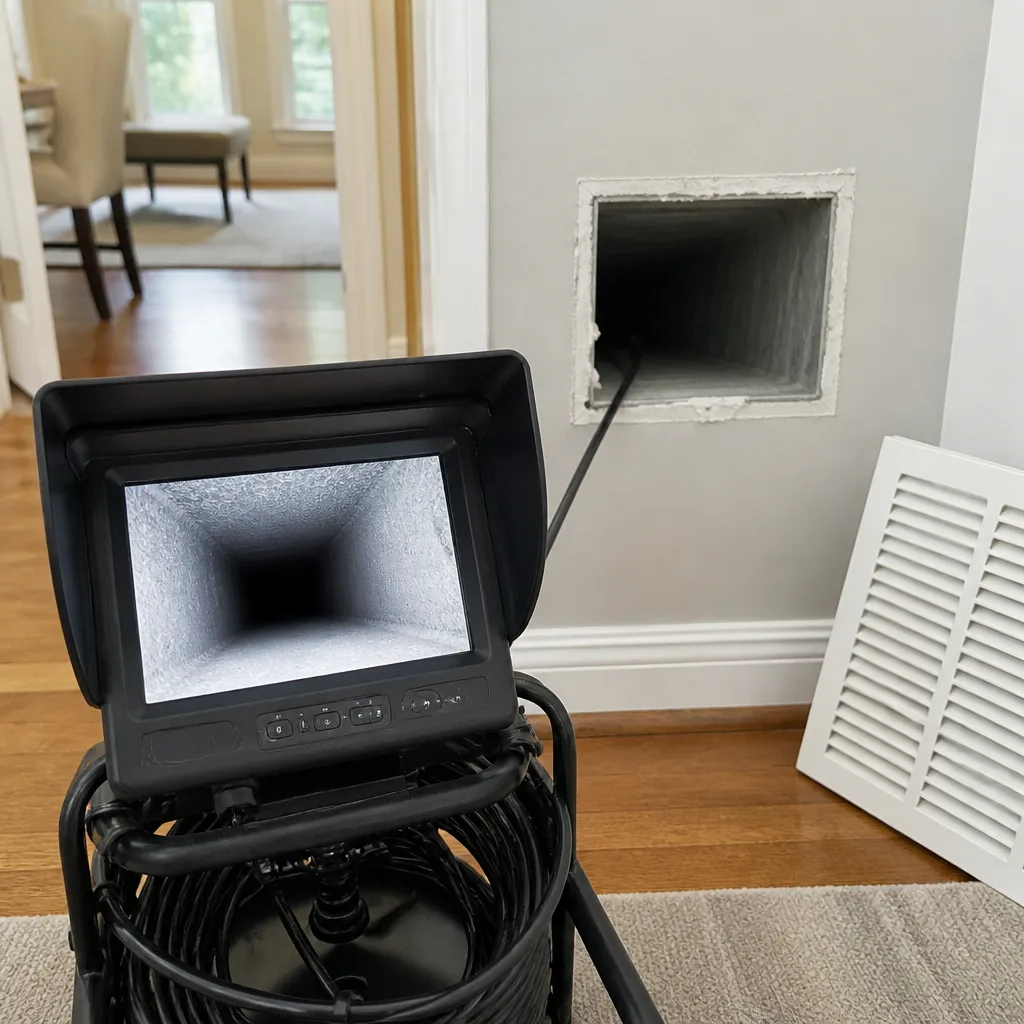 Camera inspection
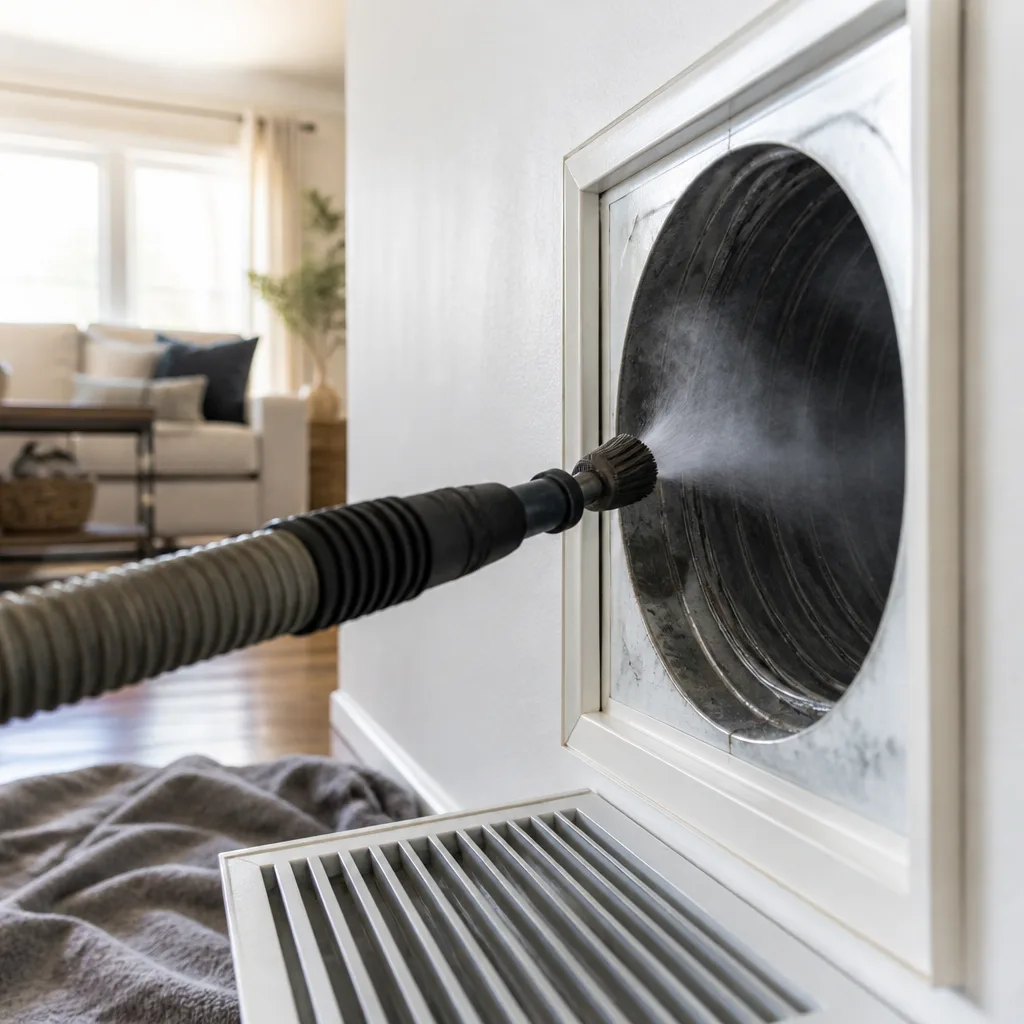 Sanitizing & deodorizing
Whole-system duct and dryer vent check with before-and-after photos - you see exactly what came out of your vents
That "$99 whole-house special" is a bait ad - the real number appears once they are in your hallway, or the "clean" is a shop-vac at the register. We photograph the inside of your ducts before and after instead.
Air Duct Cleaning Warning Signs: A South Coast Metro Homeowner’s Reference Guide
Most homeowners expect a duct problem to announce itself. A smell, a visible patch of growth, a puff of dust from the register. In our experience across South Coast Metro, the problems that do the most damage are quieter than that. They show up as a 15% jump in your monthly electricity bill during weeks of similar weather, or a filter that loads up faster than it used to, or one bedroom that never quite catches up to the thermostat. These are diagnostic signals, not background noise. This guide teaches you to read airflow, filter behavior, and energy patterns as early data, and walks through a five-point self-check you can run in under 20 minutes.
Quick Answer
If your energy bill climbs without a weather change, your filters load faster than usual, one or two rooms stay warmer or cooler than the rest, or you notice a musty smell only when the system first starts, your duct system is likely restricted, leaking, or holding moisture. Any two of those together is enough reason to have the full HVAC pathway evaluated by a professional.
Styles & brands we work with
- Whole-home duct cleaning
- Dryer vent cleaning
- Camera inspection
- Sanitizing & deodorizing
Table of Contents
- What Your Energy Bill Is Actually Telling You
- Musty Smell: Normal South Coast Metro Dampness or Growth Inside the Ducts?
- Why Uneven Room Temperatures Point to Ducts First
- What to Look For at Grilles and Registers
- The Five-Point Duct Self-Assessment
- Clogged, Leaking, or Failing Equipment: Telling Them Apart
- The Dryer Vent Signal Homeowners Confuse With Duct Trouble
- When a Closer Look Is Warranted
What Your Energy Bill Is Actually Telling You
A rising electricity bill during a stretch of similar weather is the single most reliable early warning sign of duct deterioration. When airflow is restricted or supply ducts leak into unconditioned space, your air handler runs longer cycles to reach the setpoint. It is not failing, it is working harder than it should. That extra runtime is money, and it shows up on the bill before it shows up anywhere else.
Read the bill as a pattern, not a single number. Compare the same billing month year over year and adjust for how much you actually ran the system. A hot August against a mild August tells you nothing. A hot August against a hot August does. When the bill is up materially while usage habits and weather held steady, that gap is the diagnostic data.
Three duct conditions produce that climb, and each has a slightly different signature:
- Restricted returns: the system strains to pull air in, so the blower works against resistance through the whole cycle. Cycles get longer across every room equally.
- Leaking supply ducts: conditioned air escapes into a garage, attic, or crawl space before it reaches the room. Rooms nearest the air handler feel fine while far rooms struggle, and the system runs longer to satisfy the thermostat.
- Blocked or crushed flex runs: one or two rooms get starved of airflow while the rest of the house sits at setpoint. The thermostat reads “satisfied” while the starved rooms never catch up.
The pattern matters because it tells the technician where to look first. A bill climb spread evenly across the house points at returns or the air handler. A bill climb concentrated around a few rooms points at a specific run. If you can describe that pattern when you call, you’ve already saved a diagnostic step.
One caution: a dirty filter or a failing blower motor can produce the same bill signature as a duct restriction. That is why the assessment below runs the filter check first. If the filter is clean and the bill still climbs, the odds shift toward the duct system.
Musty Smell: Normal South Coast Metro Dampness or Growth Inside the Ducts?
South Coast Metro sits in a mild, humid coastal-influenced climate where ambient moisture in the air is part of daily life. That means a faint mustiness in the house is not automatically a duct problem. The trick is to read the smell’s timing and location, which tell you far more than its intensity.
Here is how to tell the two apart:
- Timing. A smell that is present all day, every day, is likely ambient household moisture (laundry, bathrooms, plants). A smell that appears in the first two minutes after the air handler kicks on, then fades, points at something living in the ducts or on the evaporator coil that gets stirred into the airstream.
- Location. A smell concentrated near the return grille but absent near supply registers suggests contamination at the intake side. A smell that comes from every supply register suggests something upstream in the trunk line or coil.
- Seasonal pattern. A smell that is worse in the warm, humid months and fades in dry weather is a moisture-driven signature. A smell that never changes with the season points more strongly at accumulated dust, debris, or a settled biological film.
- Intensity over time. A smell that was faint six months ago and is stronger now indicates something actively growing or accumulating, not just stale air.
A musty odor that appears only at startup is the strongest single signal for evaluation. In our experience, that pattern most often traces to moisture intrusion at the evaporator coil, a wet insulation liner inside the duct, or debris that has settled on a damp surface. It is also the pattern homeowners dismiss longest, because the smell fades within minutes and the day goes on.
If the smell is sharp, chemical, or genuinely foul, stop guessing and call for an evaluation. A trained technician can confirm whether the source is in the duct pathway, at the coil, or simply a plumbing issue venting into the return. Do not attempt to open ductwork or spray anything into the system yourself.
Why Uneven Room Temperatures Point to Ducts First
When one room is consistently a few degrees warmer or cooler than the rest of the house, the instinct is to blame the air conditioner or furnace. In our experience, the equipment is usually fine. The duct system is delivering less air to that room than it should, and the machine is doing exactly what the thermostat asks.
The supply side is the usual culprit. A flex run that got kinked during installation, a run that was sized too small for the room, a damper left half-closed, or a joint that has separated in the attic. In South Coast Metro’s climate, duct runs routed through unconditioned attic space see large temperature swings between day and night, and a poorly sealed joint loses conditioned air before it ever arrives.
Test the theory quickly. Turn the system on, wait five minutes, and hold your hand a few inches in front of the supply register in the problem room. Compare it to a nearby room that stays comfortable. The difference tells you what you need to know:
- Strong airflow but the air feels only mildly conditioned: the run is delivering air but losing temperature along the way. Suspect a leak or poorly insulated run.
- Weak airflow but the air feels properly cold or warm: the run is restricted. Suspect a crushed flex duct, a closed damper, or debris blocking the run.
- No noticeable difference in either airflow or temperature: the room itself may be the issue (sun exposure, a window that leaks, an undersized return). This is where the equipment check comes in.
One more pattern worth flagging: a room that used to be comfortable and is now not. Ducts do not change on their own, but a flex run can crush under settled insulation, a joint can separate over time, and a return can get blocked by furniture pushed against the grille. Note when the change started. That timing is useful to a technician.
What to Look For at Grilles and Registers
Grilles and registers are where the duct system shows its work. A quick visual check at each register in the house, done once a season, catches most of the problems that would otherwise go undiagnosed for a year.
Look for these specific signs:
- Dark streaking on the grille face: a soft grey or black trail from the register slots usually means dust is being pushed through a damp filter or past a dirty grille. It is cosmetic on the grille but signals something upstream.
- Visible dust build-up inside the register slots: a thin even film is normal. Thick, fuzzy, or uneven build-up that blocks part of the opening suggests debris traveling through the run.
- Peeling, flaking, or discolored liner: if the inside of the duct is visible through the register and the lining looks rough, cracked, or peeling, the liner is deteriorating. This is a repair-and-seal job, not just a cleaning.
- Water staining or rust at the register: brown rings, white mineral deposits, or rust at metal grilles indicate moisture intrusion at that point. This is worth a professional look because the source may be a leaking connection, condensation, or a roof issue.
- Loose or sagging grille: a grille that no longer sits flush can let air bypass into the wall cavity and pull dust in. It is a quick fix that gets deferred for years.
Use a phone camera to photograph each register during the walkthrough. A photo taken today makes a photo taken in six months far more useful, because you have a comparison point rather than a memory.
Do not remove registers or reach into duct openings to inspect further. A trained professional with the right containment equipment can look inside the system without introducing contamination to your home. If a register is loose enough that you can see visible debris inside, that is reason enough to call.
The Five-Point Duct Self-Assessment
This walkthrough takes under 20 minutes and gives you a clear answer to one question: does this warrant a professional evaluation? You need no tools beyond a phone and a notepad. Run it in the order below, because each step filters out a common false alarm before the next step.
- Filter check (2 minutes). Pull the filter and hold it up to a light. If you can see light clearly through it, it is fine. If the filter is heavily loaded but installed within the last month, that is a signal the system is pulling more debris than it should. Rule out the filter before moving on.
- Register temperature hands-on test (5 minutes). With the system running and set to a strong call, hold your hand a few inches from each supply register for 15 seconds. Note any register that feels noticeably weaker or less conditioned than the others. Number the rooms on a sketch of the floor plan.
- The smell test (3 minutes). Stand near the largest return grille with the system off. Note the smell. Turn the system on and stand in the same spot for 90 seconds. If the smell changes at startup, that is a signal.
- Grille walkthrough (5 minutes). Photograph every supply and return grille in the house. Note any streaking, visible debris, water staining, rust, or loose fit. Save the photos in a folder with today’s date.
- Bill comparison (3 minutes). Pull this month’s electric bill and the same month from last year. Adjust for how much you actually ran the system. If the bill is up materially with similar weather and usage, note the percentage difference.
Score the assessment this way: if you flagged more than one point, a professional evaluation is warranted. If you flagged only one, repeat the assessment in 60 to 90 days and see if the pattern is consistent. A single flagged point is often a filter or a seasonal shift. Two or more consistently flagged points point at the duct system.
Write the assessment down. Homeowners who call after running this framework arrive with the exact information a technician needs, and the evaluation goes faster as a result. If you want to see the broader service picture before you book, our Air Duct Cleaning South Coast Metro page lays out the full scope, and our air duct cleaning page explains what a full-system cleaning actually involves.
Clogged, Leaking, or Failing Equipment: Telling Them Apart
Three different problems produce overlapping symptoms, and the treatment is different for each. Telling them apart before you call saves time and prevents the wrong service being performed.
Clogged ducts show up primarily as reduced airflow at every register. The system pulls and pushes harder than it should, filters load faster, and you may hear a whistling or rushing sound at the supply registers. Rooms equidistant from the air handler feel similarly weak. The short version: the system is moving less air than it should everywhere.
Leaking ducts show up as temperature variation rather than airflow loss. The registers feel properly strong, but the air is not as hot or cold as you expect by the time it reaches the room. Rooms farthest from the air handler feel the difference most. In our experience, this is the most common missed diagnosis because the airflow at the register feels fine enough to dismiss.
Failing equipment shows up as behavior, not delivery. Short cycling, the blower running but no temperature change, the system failing to reach setpoint entirely, or a breaker that trips. If you see those symptoms and airflow at the registers is otherwise normal, the issue is the machine and a duct cleaning is not the fix.
A quick comparison:
- Weak at every register → restriction or return problem.
- Strong at registers but rooms run warm/cool → leaking supply runs.
- System runs but does not respond to the thermostat → equipment issue.
- Smell at startup, rooms uneven, bill up → often a combination, worth a full-system look.
Our HVAC cleaning page explains what a full system clean covers, including the air handler and coil side, which is where many of the “duct” symptoms actually originate. If the pattern is unclear, an in-home evaluation sorts it out quickly. There is no substitute for looking at the actual system.
The Dryer Vent Signal Homeowners Confuse With Duct Trouble
A dryer that takes two cycles to dry a load, a laundry room that feels humid, or lint collecting around the dryer are often assumed to be HVAC duct issues. They are not. These are dryer vent signals, and they deserve separate attention for a reason that is more urgent than air quality.
Lint is combustible. A dryer vent that has accumulated lint reduces airflow, which causes the dryer to run hotter, which is the exact combination that turns a minor vent restriction into a fire hazard. Dryer vent cleaning is a fire-prevention service, full stop. It is not an upsell tacked onto a duct cleaning.
The signals to watch for:
- The dryer takes longer than usual to dry a load, especially in the cooler months when the system runs less.
- The laundry room feels warmer and more humid than it used to while the dryer runs.
- Lint accumulates on or around the dryer body rather than staying in the lint trap.
- The exterior vent flapper does not open fully or does not close cleanly when the dryer stops.
If two or more of those are true, schedule dryer vent cleaning separately from the duct system work. A full-system approach treats the entire air pathway, and that pathway includes the dryer vent. If you want the full picture of indoor air quality services for your home, our team explains each in one call.
When a Closer Look Is Warranted
You should call a professional when you have run the five-point assessment and flagged two or more points, when you see water staining or liner deterioration at any grille, or when a musty smell appears specifically at system startup. These are the patterns that indicate a real duct problem rather than an aging system or a filter that needs changing.
You should also call when the pattern is unclear. Homeowners who feel uncertain usually wait, and waiting on a duct issue that involves moisture or liner damage lets it worsen. An evaluation is the fastest way to a straight answer.
The right equipment matters in this work. Air Duct Cleaning South Coast Metro operates professional-grade Rotobrush rotary-brush systems for contact cleaning of duct interiors, Nikro cleaning equipment for HVAC components, and Abatement Technologies negative-air and HEPA containment tools to control cross-contamination during the process. We also offer repair and sealing for the leaks and liner damage that cleaning alone cannot fix, and we install Honeywell and Aprilaire air quality products when the system needs an upgrade after the clean. Our technicians have up to 8 years of experience. Free estimates in South Coast Metro: call (833) 468-5980. We answer 24/7, with fast dispatch from 7am to 7pm, Sunday through Friday.
Common Mistakes to Avoid
- Blaming the air conditioner before checking the ducts. A service call that diagnoses a “failing” system often finds good equipment and a restricted duct pathway. Run the airflow test at the registers first, because that single check redirects the diagnosis more often than any other.
- Spraying air freshener or a household sanitizer into the return. This masks the smell without addressing the source, and in South Coast Metro’s humid months it can add moisture to a problem already driven by moisture. If you want sanitizing done, have it done as the final step of a full clean, not as a masking spray.
- Skipping the filter comparison. A filter that loads up in a month may be doing its job against heavy airborne debris, or it may be undersized. Either way, the filter is a data point before it is a decision, so check it before you spend money on a service call.
- Assuming the dryer vent is part of the duct system. They are separate systems and separate services. The dryer vent matters for fire prevention, which is a different reason to clean it than air quality. Do not let one push the other off the schedule.
- Waiting for visible mold before acting. Visible mold at a grille is a late-stage signal. The earlier signals, the ones this guide is about, show up months before anything visible. Read them and act on them.
- Choosing a service on price alone. A low quote is usually low because it involves a different scope, a different method (air-whip only rather than contact cleaning), or a technician who cleans and leaves without sealing what is already leaking. Ask what equipment is used, and whether repair and sealing is part of the scope.
- Running the assessment once and calling it done. The value of the five-point check is in its repetition. Run it quarterly and compare the notes, because the pattern over time tells you more than any single reading.
See the difference
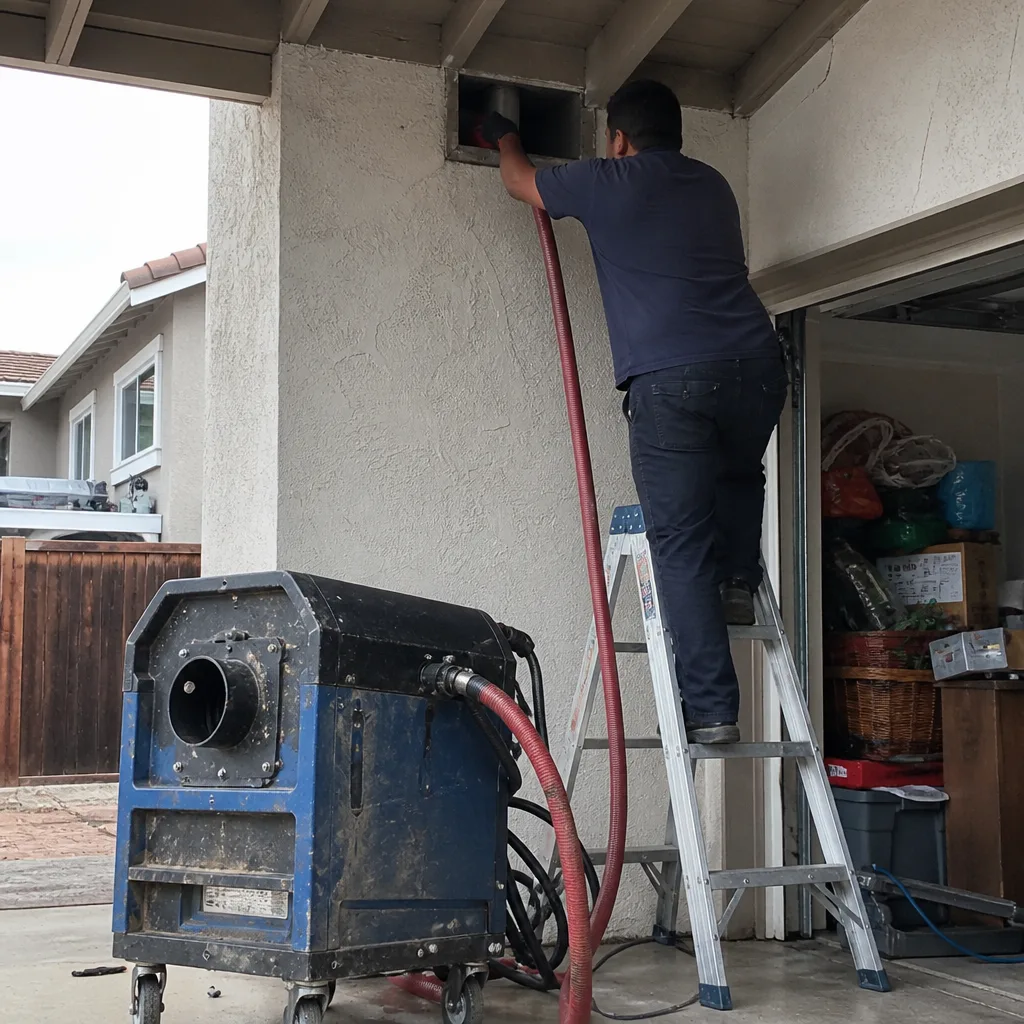 Before
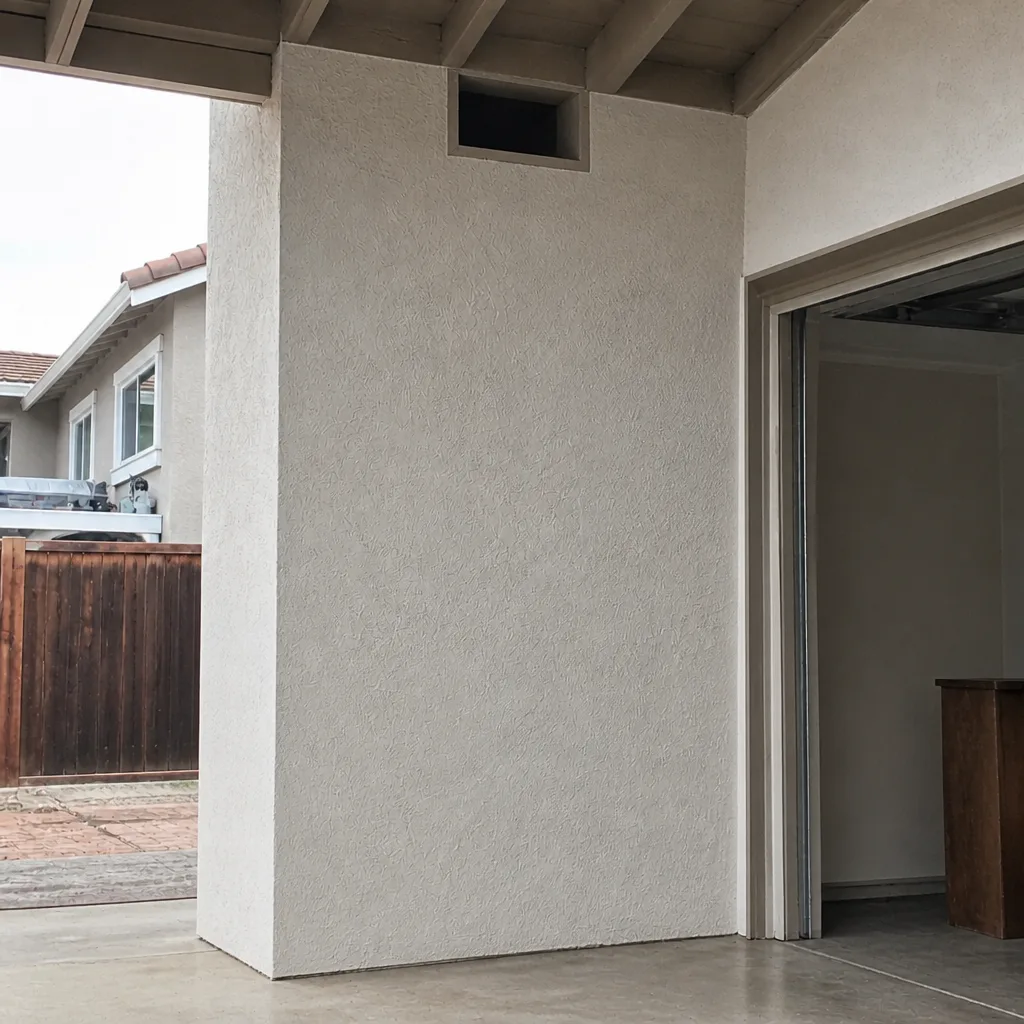 After
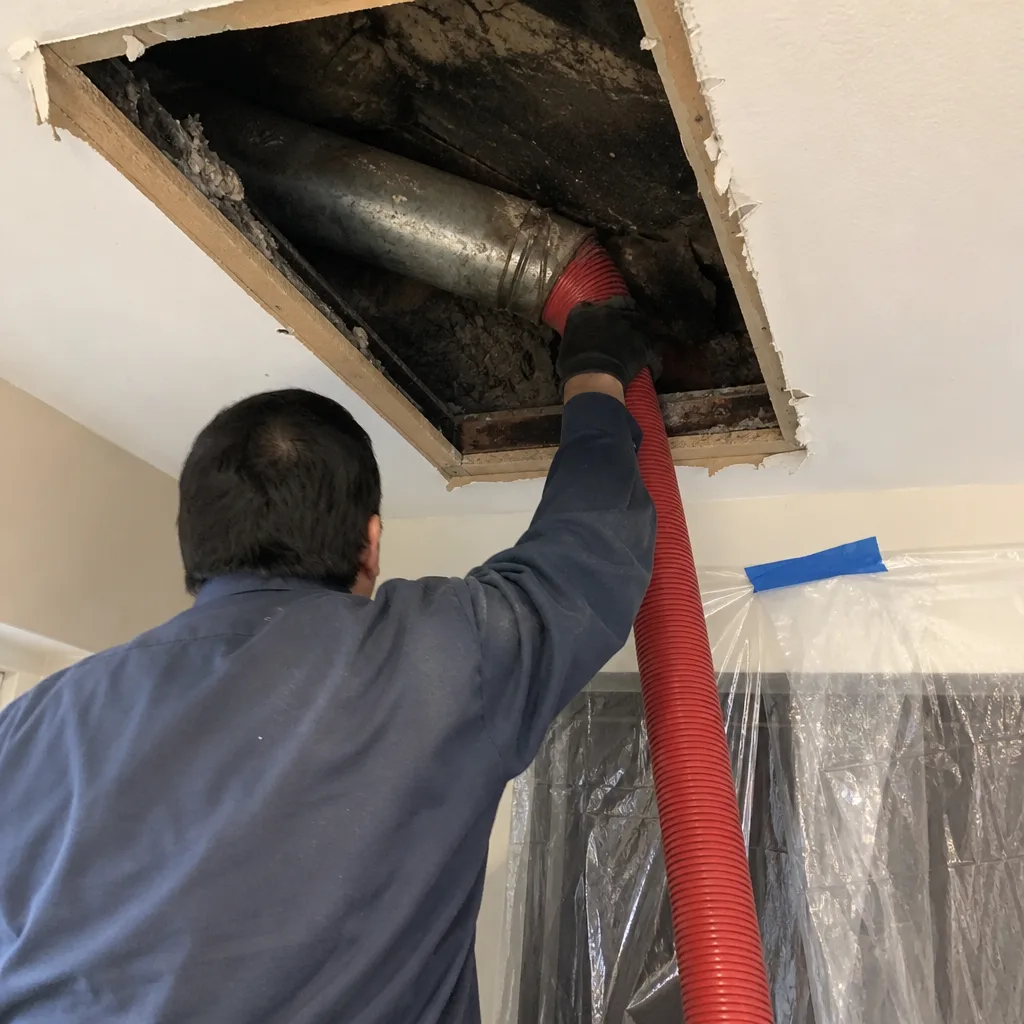 Before
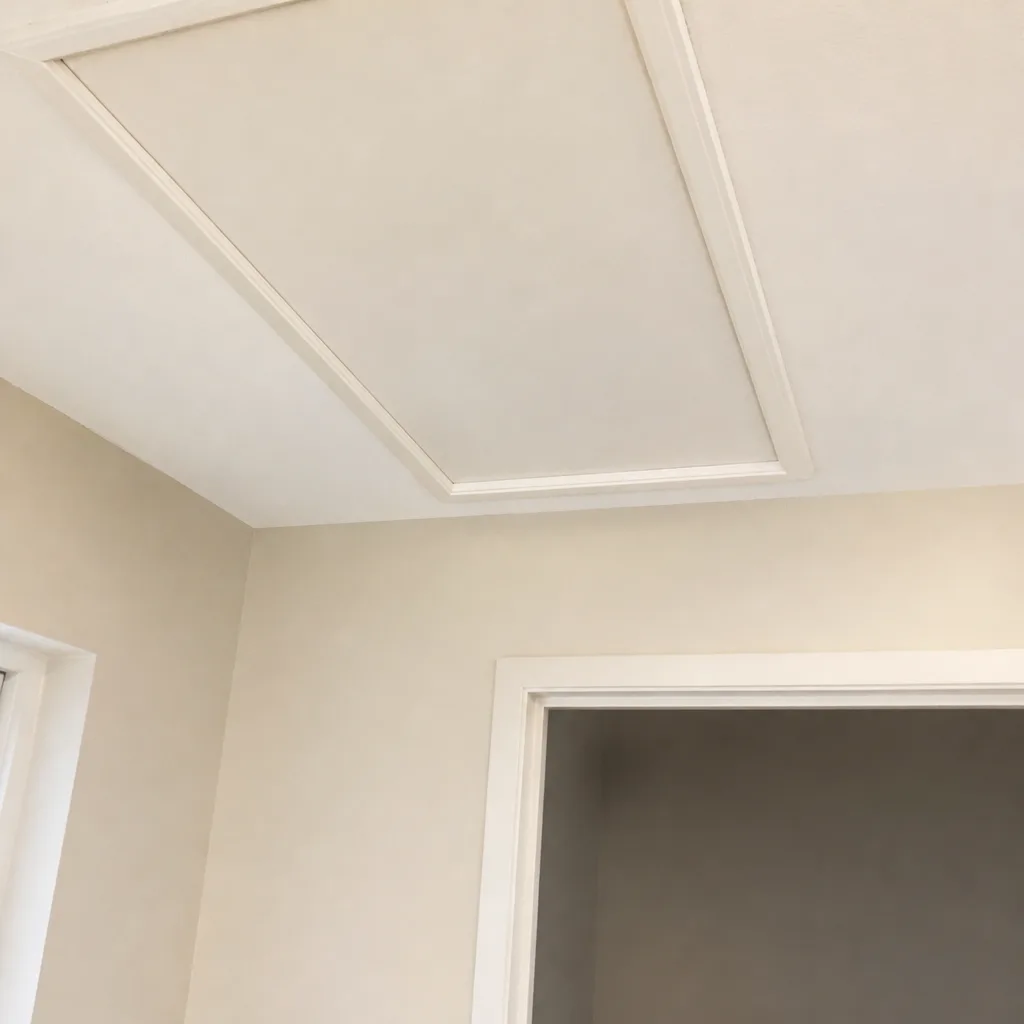 After
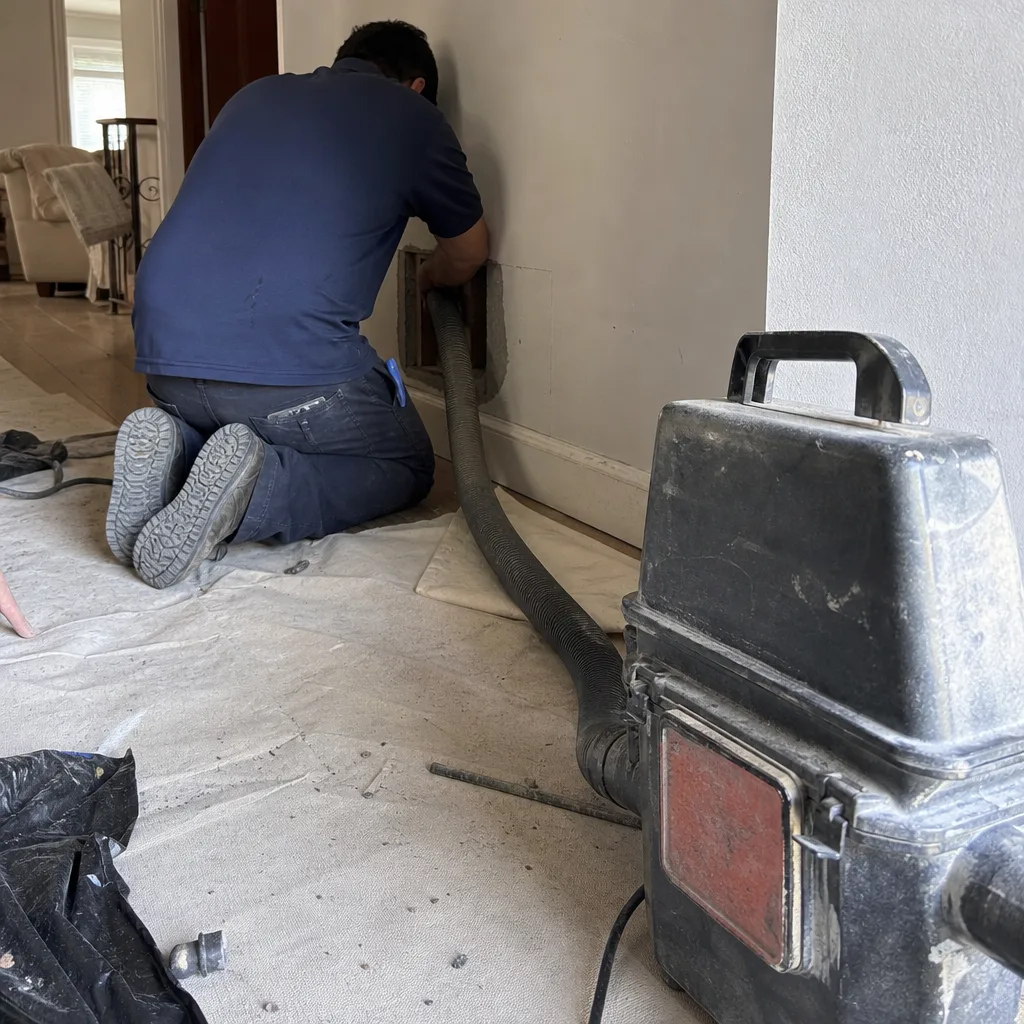 Before
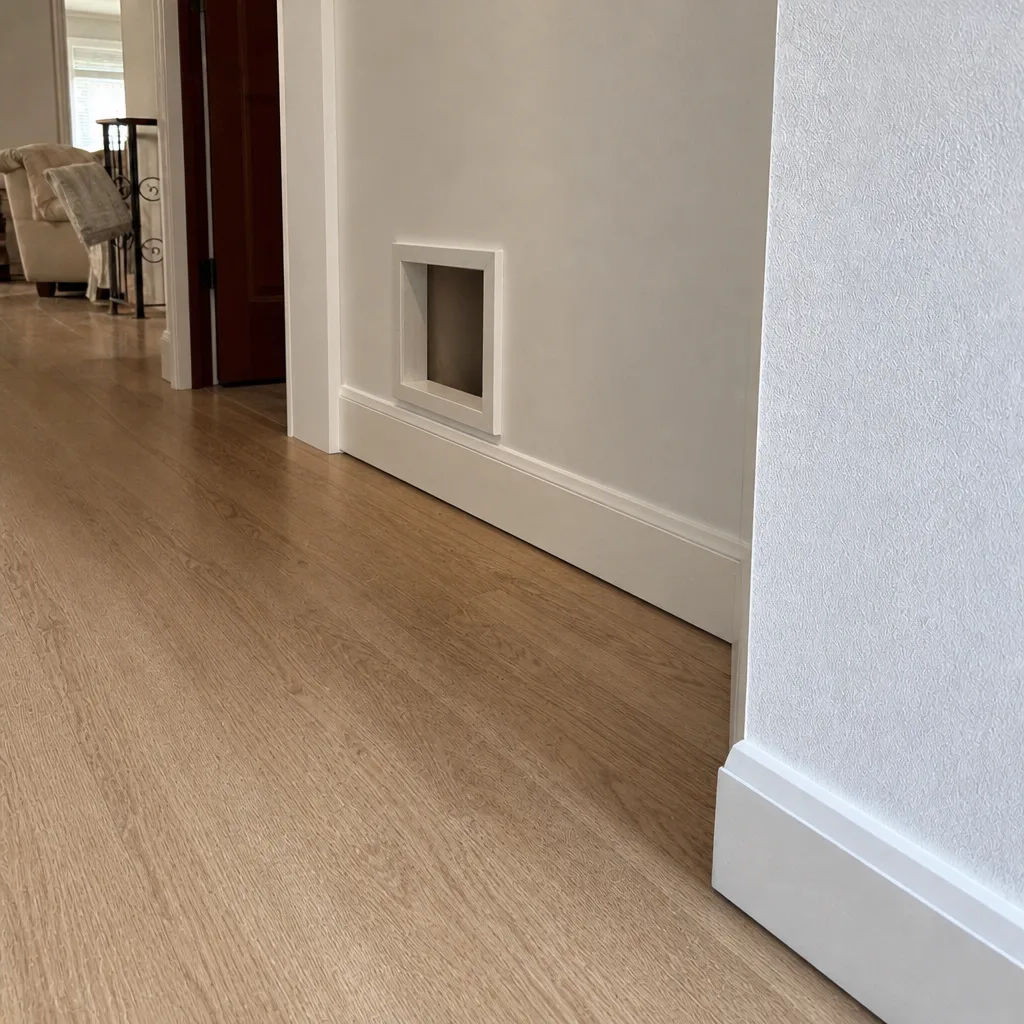 After
When to Call a Professional
Call when your self-assessment flags two or more points, when you see water staining or a deteriorating duct liner, or when a musty smell appears specifically when the system starts. Call if you see visible debris inside a register, or if a room that used to be comfortable is no longer. And call if you simply want a straight answer, because evaluation is faster than wondering. Air Duct Cleaning South Coast Metro offers free estimates in South Coast Metro. Call (833) 468-5980. We answer 24/7, with fast dispatch from 7am to 7pm, Sunday through Friday.
Frequently Asked Questions
A rising electricity bill during a stretch of similar weather is the most reliable early warning sign, because airflow restriction forces the air handler to run longer cycles than it should. Pair that with a filter that loads faster than usual and one or two rooms that never quite reach setpoint, and you have a pattern worth evaluating. Call (833) 468-5980 for a free estimate.
Timing tells you. Ambient humidity makes the house feel musty all day, while a duct problem produces a smell that appears in the first minute or two after the air handler starts and then fades. If the smell is concentrated at the return grille or appears at every supply register, that is the second clue. Call (833) 468-5980 if you want a professional read on it.
Uneven room temperature is usually a duct supply problem, not an equipment problem. A crushed flex run, a joint that has separated, or a run that was sized too small for the room will starve that room of conditioned air while the rest of the house stays comfortable. A hands-on airflow check at the register tells you which. Call (833) 468-5980 for an evaluation.
There is no fixed interval that applies to every South Coast Metro home. A house with pets, recent remodeling, or noticeable moisture should be evaluated sooner than a home with none of those. Running the five-point self-assessment quarterly and calling when two or more points flag is a more reliable schedule than any calendar interval. Call (833) 468-5980 for a free estimate.
A full-system clean covers the supply and return ductwork, the air handler, and the coil, not just the register openings. Ask for before-and-after photos of your own duct interiors, and ask what equipment is used on the job. Professional contact cleaning with a rotary brush is different from an air-whip-only pass. Call (833) 468-5980 for a free estimate.
Yes. Dryer vent cleaning is a separate service for a separate reason: lint accumulation reduces airflow and raises fire risk, which is a safety matter rather than an air-quality one. Scheduling it separately keeps both systems on their own maintenance rhythm. Call (833) 468-5980 for a free estimate on either service.
The Bottom Line
The quiet duct problems do the most damage: a slowly rising energy bill, filters that load faster than they should, a faint smell that appears only at startup, one room that drifts a few degrees off the rest. Read those as data and act on them, and you avoid the far more expensive conversation that follows a collapsed liner or a moisture problem left to grow. Run the five-point assessment quarterly. Compare your notes over time. Call when two or more points flag, and never open ductwork to investigate further yourself. Air Duct Cleaning South Coast Metro handles the full HVAC pathway: cleaning, repair and sealing, sanitizing, and dryer vent work, with Rotobrush and Nikro equipment and Abatement Technologies containment on every job. Call (833) 468-5980. We answer 24/7, with fast dispatch from 7am to 7pm, Sunday through Friday.
Written by the team at Air Duct Cleaning South Coast Metro.