
Last updated November 24, 2026
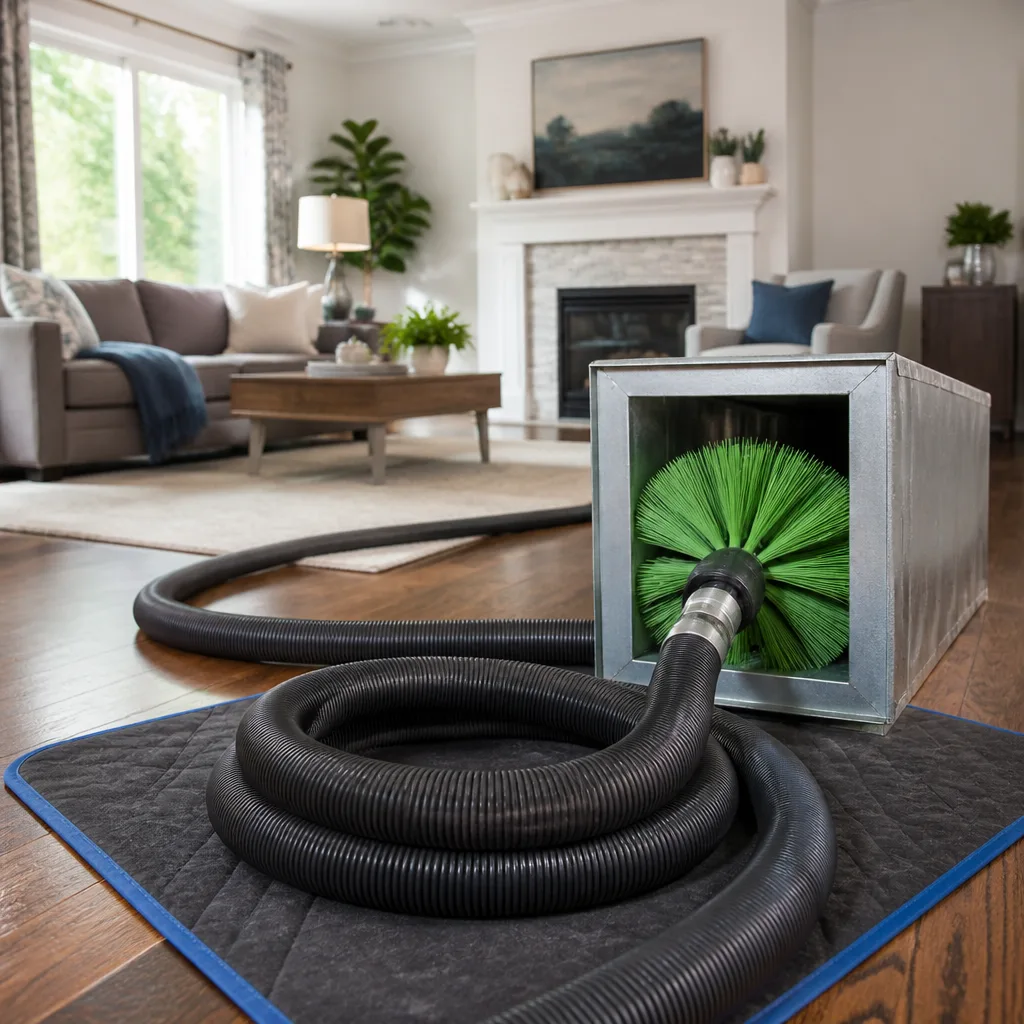 Whole-home duct cleaning
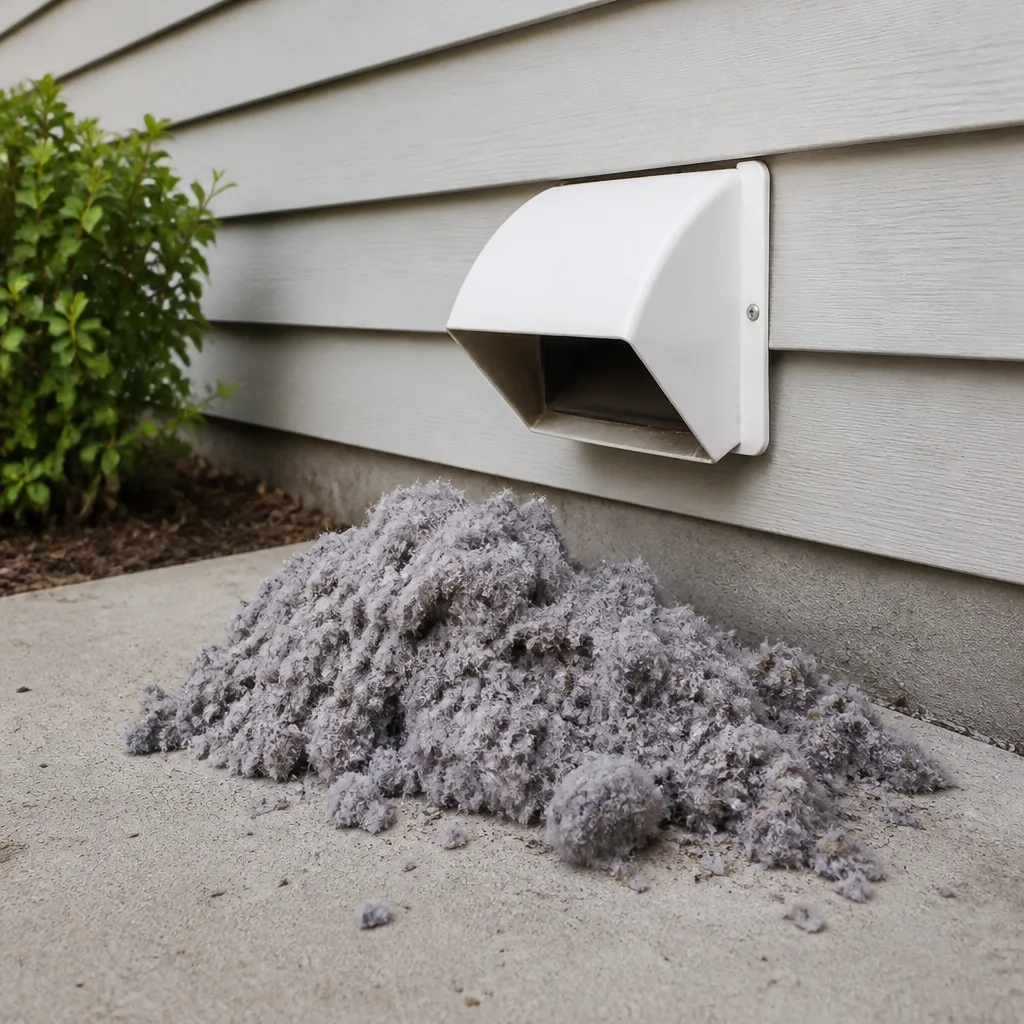 Dryer vent cleaning
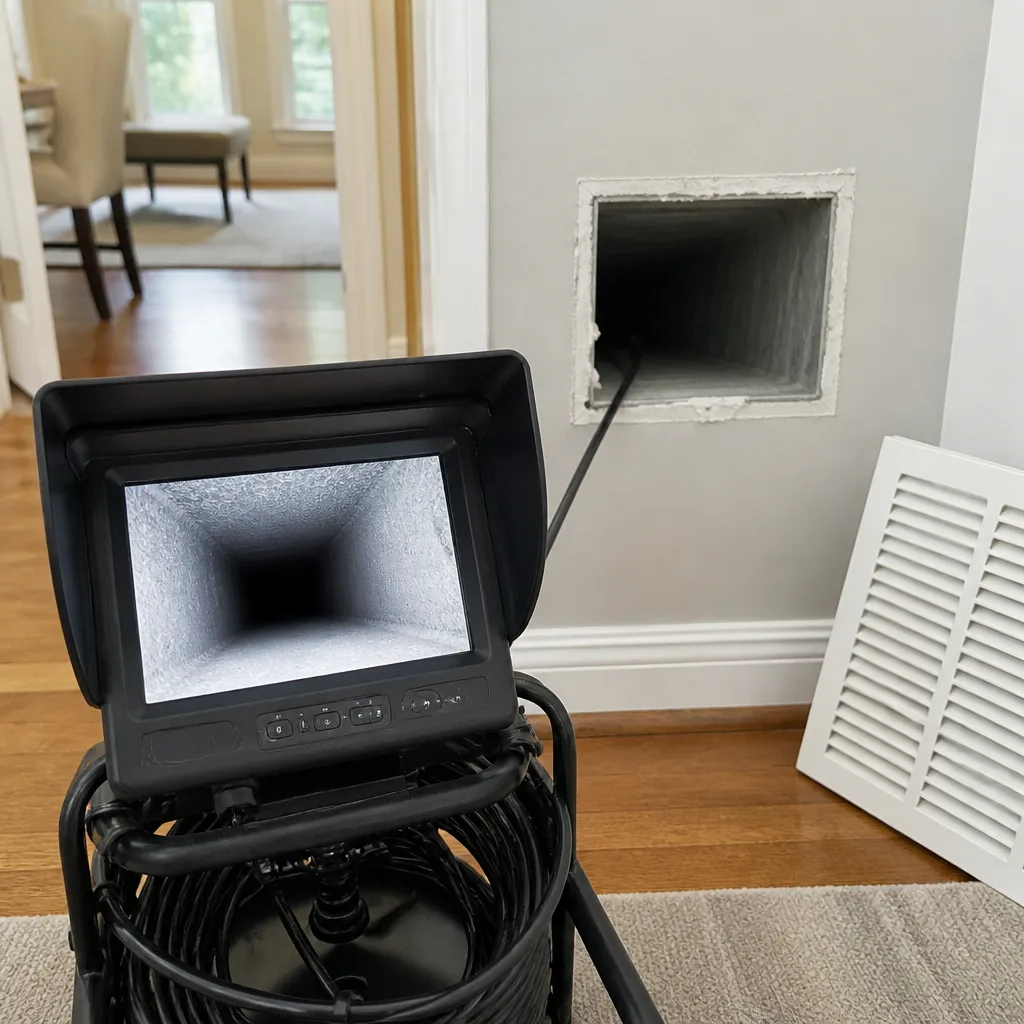 Camera inspection
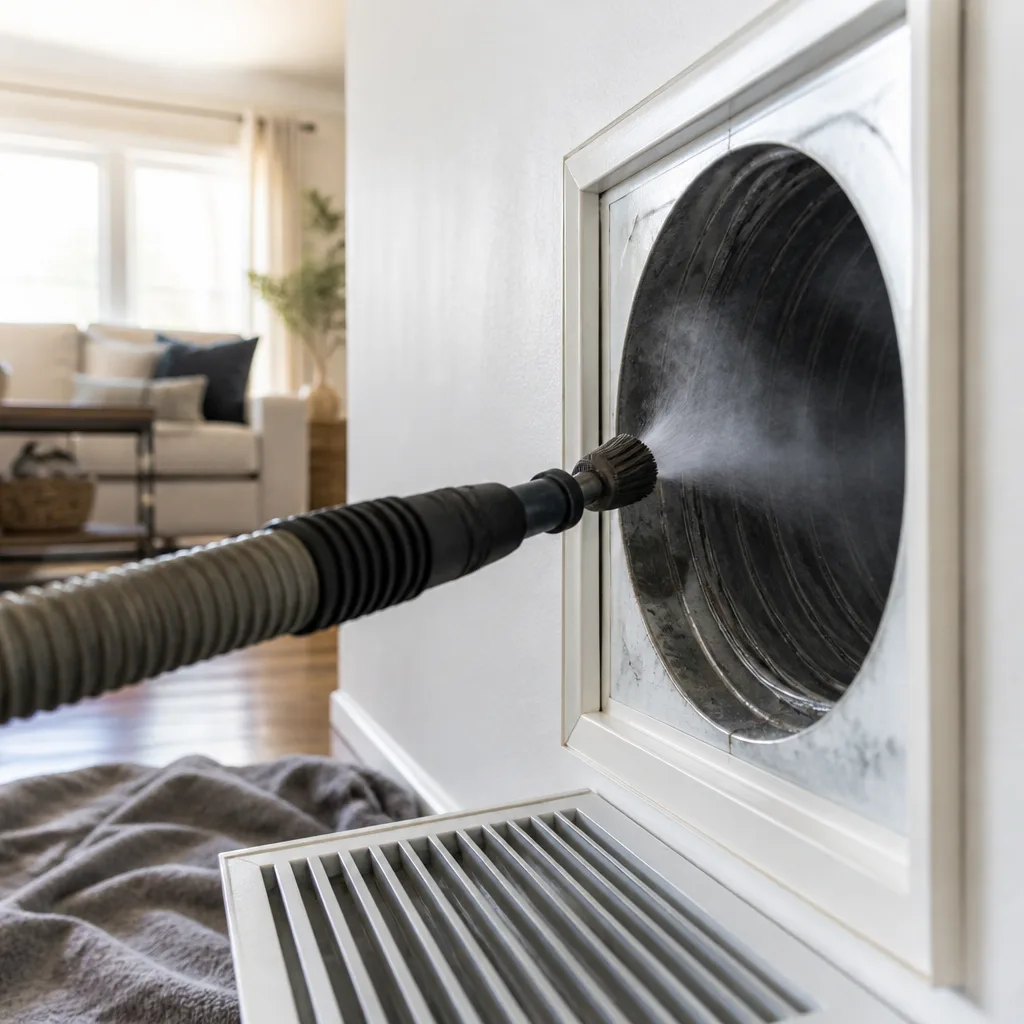 Sanitizing & deodorizing
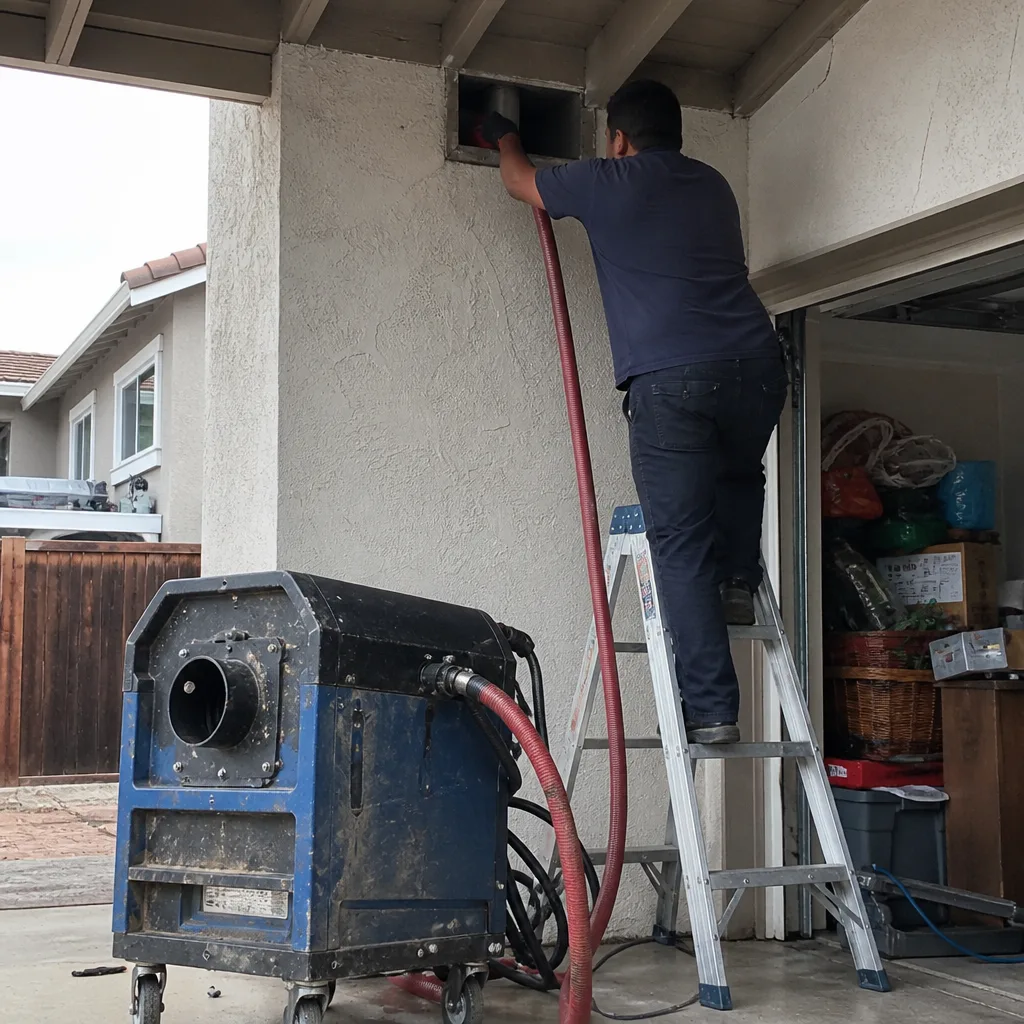
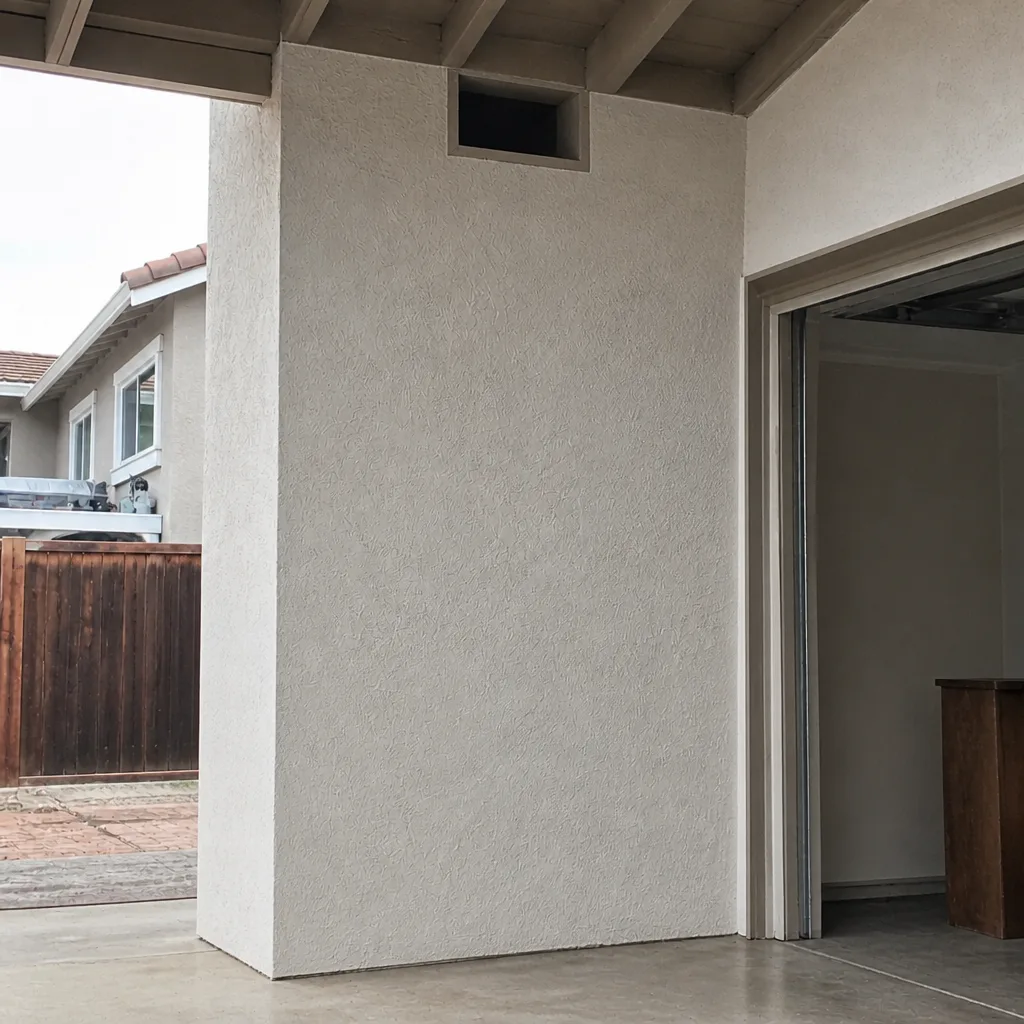
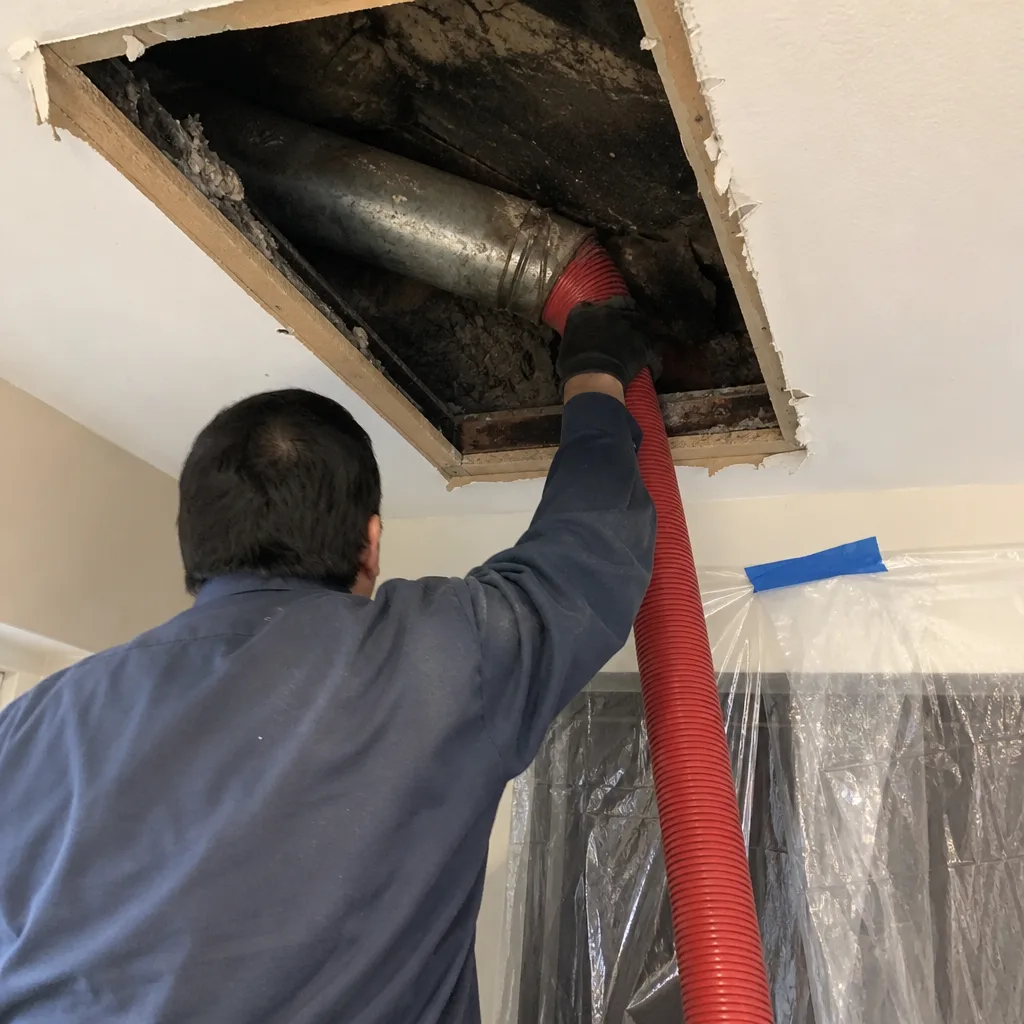
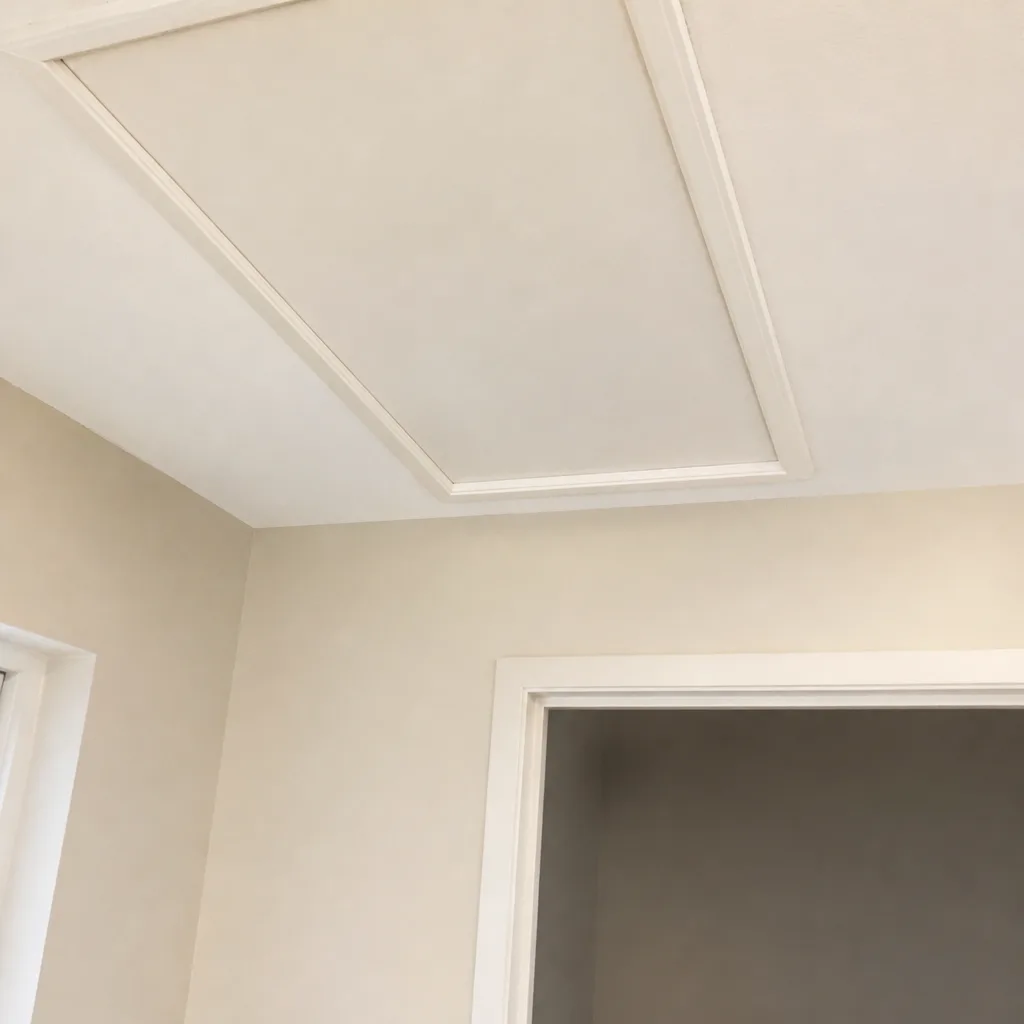
Whole-system duct and dryer vent check with before-and-after photos - you see exactly what came out of your vents
That "$99 whole-house special" is a bait ad - the real number appears once they are in your hallway, or the "clean" is a shop-vac at the register. We photograph the inside of your ducts before and after instead.
Air Duct Cleaning Maintenance Checklist for South Coast Metro Homeowners
Most homeowners change the filter on a vague “every 90 days” schedule, which is a little like checking your oil by the calendar instead of the dipstick. In our experience, a home close to Pacific Coast Highway in Huntington Beach loads a filter two to three times faster in the days after a Santa Ana wind event than it does during an ordinary marine-layer week. Same filter, same house, wildly different load. This guide gives South Coast Metro homeowners a maintenance cadence built around what actually happens here: marine-layer condensation cycling through the ducts each morning, wildfire smoke drifting in from inland corridors, and the fine particulate that settles over every neighborhood from South Coast Plaza to the Mesa. You’ll get a month-by-month calendar, the MERV ratings that balance filtration against airflow, the checkpoints you can inspect yourself, and an honest line between maintenance that helps and maintenance that’s a sales pitch.
Quick Answer
A practical maintenance checklist for a South Coast Metro home means four things: change or check filters on a load basis rather than a fixed calendar, inspect grilles and registers monthly for dust patterns and musty smell, log airflow and odor changes as diagnostic data, and schedule a full-system cleaning roughly every two to three years, sooner after fire-season smoke events or a remodel. The tasks that genuinely protect your HVAC pathway are inspection, filtration, and periodic deep cleaning. The rest is mostly upsell.
Styles & brands we work with
- Whole-home duct cleaning
- Dryer vent cleaning
- Camera inspection
- Sanitizing & deodorizing
Table of Contents
- Why South Coast Metro Ducts Age Differently
- The Month-by-Month Maintenance Calendar
- Choosing the Right MERV Rating for This Climate
- What to Check Yourself at Grilles and Registers
- Logging Performance Changes as Diagnostic Data
- Which Tasks Actually Extend Your Cleaning Interval
- How a Full-System Cleaning Works
- The Dryer Vent: Separate from the Ducts, Same Priority
Why South Coast Metro Ducts Age Differently
Most duct maintenance advice you’ll read online was written somewhere with real seasons. It doesn’t map well to a place where the marine layer rolls in overnight, sheds moisture onto the roof and into attic duct runs, then burns off by late morning. That daily condensation cycle is the single biggest driver of duct contamination in South Coast Metro, and it’s why the “every three to five years” cleaning interval you see quoted nationally is usually too long here.
Three regional factors shape your ducts:
- Marine-layer condensation. Damp air settling overnight can leave light condensation on cooler duct surfaces, especially in an unconditioned attic. Repeated wetting and drying turns fine dust into a sticky film that catches and holds the next round of particles. Once that film forms, normal airflow won’t remove it.
- Inland wildfire smoke. During fire season, smoke from inland and mountain corridors drifts over the basin and settles into homes. Smoke leaves an oily particulate residue on filter media and duct surfaces. In our experience, the weeks after a visible smoke event are when a lot of homeowners first notice a faint fireplace smell coming from their registers.
- Year-round HVAC cycling. Mild winters mean the air handler runs nearly every week of the year. There’s no long off-season to let things settle, so particulate accumulates across more operating hours than the same system would clock in a colder climate.
None of this means your system needs constant attention. It means the cadence should be based on what your home is going through, not on a generic season. That’s the whole idea behind this checklist.
The Month-by-Month Maintenance Calendar
Here’s the calendar we walk South Coast Metro homeowners through. Treat it as a loop rather than a strict 12-month script; if a smoke event lands in September, handle the October items that week instead.
- January. Change or check the filter. Walk the house and inspect every supply and return grille for dust streaks or dark edging. Note any room that feels stuffy.
- February. Confirm condensate drain line from the air handler is flowing freely. Standing water anywhere near the air handler is a musty-odor trigger.
- March. Filter change. Check that all return grilles are unobstructed by furniture or rugs. Log airflow feel at each register.
- April. Pre-fire-season filter swap to a slightly higher load basis. Inspect return duct joints in accessible areas for loose tape or gaps.
- May. Filter change. Test the HVAC in both heating and cooling modes; a full-system cleaning is best scheduled before summer load, not during a heat wave.
- June. Filter change. Look at the evaporator coil access panel for moisture or dust buildup. Note any odor at startup.
- July. Filter check (skip the swap if it’s still clean). Inspect outdoor condenser for vegetation blocking airflow.
- August. Filter change. Note whether airflow from any register has dropped compared with what you logged in March.
- September and October. This is the Santa Ana wind and peak smoke window. Watch filters daily during a wind event. Swap when the filter is visibly loaded, even if it’s only been two weeks.
- November. Filter change. Do a full walkthrough of grilles. Book a professional duct cleaning if you’ve hit the interval or had a smoke event.
- December. Filter change. Inspect attic duct runs if accessible, since the marine layer condensation pattern is most visible in cool months.
The rhythm is simple: filter attention in the shoulder months, smoke-event vigilance in the fall, full-system cleaning scheduled in spring. For a full professional air duct cleaning we’d aim for a spring slot every two to three years unless an event pushes you sooner.
Choosing the Right MERV Rating for This Climate
The most common mistake we see is chasing the highest MERV rating available, assuming more filtration is always better. It isn’t. Every filter adds resistance to the air moving across the air handler, and a filter that’s too restrictive on a residential system starves the coil of airflow. The result is a coil that ices up, a system that runs longer than it should, and ducts that still need cleaning.
For most South Coast Metro homes, here’s the practical range:
- MERV 8. A solid baseline. Good dust capture, low pressure drop, well tolerated by almost any residential air handler. A reasonable year-round choice for homes without allergy concerns.
- MERV 11. The sweet spot for many homes here. Captures finer particulate including smoke residue better than MERV 8 while most systems handle the added restriction without a real airflow penalty. Good choice for the months around fire season.
- MERV 13. Higher capture, meaningfully higher pressure drop. Only worth running if your system was actually designed for it. If you don’t know, don’t guess; a filter this dense on an undersized return can cost you more in equipment strain than you gain in air quality.
- Thin filters (MERV 4 and below). These mostly protect the equipment from large debris. Fine particulate passes straight through them and back into the living space.
One more thing worth knowing: filter thickness matters as much as MERV rating. A deep pleat (four inches or more) at a given MERV rating exposes more surface area and moves air with less resistance than a one-inch filter of the same rating. If your filter housing accommodates a deep pleat, that’s the upgrade we’d point to before chasing a higher MERV number. When we install air quality products after a cleaning, we often recommend Aprilaire filter housings precisely because they take a deep pleat without starving the system.
What to Check Yourself at Grilles and Registers
You don’t need to open ducts or reach into the air handler to gather useful information. A visual inspection at your grilles and registers, done every month or two, gives you early warning before a cleaning becomes urgent. This is how a homeowner catches a problem on their own terms instead of discovering it during a service call.
At each supply and return grille, check:
- Dust pattern. A light, even film is normal dust settling. Heavy dust concentrated around the edges of the grille, and streaks running down the wall below it, suggest air escaping past the grille and carrying dust with it. That’s an airflow and sealing issue, not just a cleaning one.
- Odor. Stand near each register while the system runs. A faint musty or damp smell points at moisture somewhere in the system. A fireplace or campfire smell during fire season means smoke particulate has loaded into the filter and duct surfaces.
- Airflow feel. Hold the back of your hand near each register. Compare registers to each other. If a room’s register feels notably weaker than it did a month ago, note it. This is one of the earliest signs you’ll catch.
- Discoloration. Dark gray or black streaks on the filter face or inside the return grille suggest an unusual particulate source, a nearby remodel, or a poorly sealed return pulling in attic or garage air.
- Condensation on the grille or nearby wall. Any visible moisture is worth investigating, since it points at the condensation cycle the marine layer creates.
Take a photo of each grille on the same day each month. Comparing photos over time is far more useful than trying to remember how a filter looked.
Logging Performance Changes as Diagnostic Data
Most air quality problems are quiet. They build over months, and by the time they’re obvious, the duct system has carried the contamination through every room. A simple written log closes that gap. In our experience, the homeowners who track performance changes are the ones who can describe the problem precisely when they call, which saves everyone time and often narrows down the cause before anyone gets on a ladder.
A workable log takes about two minutes a month. Keep it in a notebook or a spreadsheet on your phone:
- Date and filter condition. Date of last change, plus a rating from 1 (clean) to 4 (visibly loaded).
- Airflow feel by register. Rate each register as strong, normal, or weak. Note any room that’s changed.
- Odor notes. Nothing, faint mustiness, smoke smell, other.
- Filter loading rate. When did it go from clean to visibly loaded? If that interval is shrinking over time, that’s meaningful data.
- Event notes. Winndy days, visible smoke in the air, nearby construction, a remodel in the house, new pets, a change in occupants.
Three things in that log deserve a call to a professional:
- The filter loading rate is trending faster over consecutive months, not just during a fire event.
- The same register is consistently weaker than the others in every month on record.
- Odor is persistent, meaning it doesn’t clear with a filter change.
For anybody who wants to go deeper on the equipment side, a full HVAC cleaning addresses the air handler and coil, not just the ductwork, which is where odor sources tend to live.
Which Tasks Actually Extend Your Cleaning Interval
The maintenance industry is full of add-ons, and duct care is no exception. Some of what gets pitched genuinely helps. A lot of it doesn’t, and you can spend real money on treatments that never change the number of years between cleanings. We’d rather tell you which is which than sell you the extras.
Tasks that genuinely extend your cleaning interval:
- Consistent filtration at the right MERV level. The single highest-impact habit. A proper filter catches particulate before it deposits on duct surfaces.
- Sealing return duct joints and grille frames. Gaps let unfiltered air bypass the filter entirely, so the filter does less than you think. Fixing leaks is one of the few repairs that changes the accumulation rate meaningfully.
- Prompt filter changes after smoke events. Swapping quickly after an event rather than waiting for the calendar catches the smoke load before it works into the system.
- Managing humidity and moisture. Address any visible condensation promptly. Moisture turns dust on duct surfaces into a film that airflow can’t dislodge.
Tasks that are mostly marketing:
- Frequent anti-microbial fogging. A sanitizing treatment is a reasonable final step after a full cleaning, but treating frequently as a standalone service doesn’t reduce dust accumulation and often masks an underlying moisture problem.
- “Duct deodorizing” sprays. Odor is a symptom. A spray doesn’t fix the source, and a persistent smell usually means there’s contamination or moisture that needs an actual cleaning or repair.
- Monthly deep cleanings. No residential duct system in South Coast Metro needs this. If someone is recommending it, ask what evidence they’re basing it on.
When we install a Guardsman-grade sanitizing product or a Honeywell filter upgrade, we do it as the final layer of a complete protocol after cleaning, not as a shortcut around it. The equipment should serve the process, not replace it.
How a Full-System Cleaning Works
A real duct cleaning is not a quick blow-out with a shop vac at each register. The methods that actually remove the deposition film and smoke residue build up on duct surfaces are contact-based and containment-controlled, and both parts matter equally. Here’s what a proper full-system cleaning of your entire HVAC pathway looks like.
- Inspection and setup. Grilles are removed and the technician maps the duct layout, including returns and the air handler.
- Negative-pressure containment. On every job we run Abatement Technologies HEPA containment equipment. Negative pressure in the duct system means anything dislodged during cleaning travels into the collection unit rather than into your living space. This is the same class of tool used in remediation work, and it’s the difference between a genuine cleaning and a dust shower.
- Contact cleaning with the rotary brush. We run the professional Rotobrush rotary-brush system through each duct run. The brush contacts duct surfaces and lifts the film, which the containment unit pulls away. Air-whip-only methods knock loose what’s sitting on the surface but skip the contact cleaning that removes the accumulation.
- Air handler and coil cleaning. Using Nikro-certified HVAC cleaning equipment, the tech cleans the plenum, blower, and evaporator coil where dust and moisture meet. The coil is often where the odor source lives.
- Repair and seal. This is the step most duct cleaners skip. Any gaps, loose joints, or disconnected runs found during cleaning get repaired and sealed before the system is closed up. Cleaning unfiltered leaks without sealing them means the ducts fill back up faster than they should.
- Sanitizing. After cleaning, a Guardsman-grade sanitizing product is applied to duct surfaces and the air handler. This is the final layer of the protocol, not a substitute for cleaning, and it’s optional for most homes.
- Before-and-after photos. Photos of your own ducts, taken during the job, are the simplest verification of what was actually done. We provide them as a standard part of the process.
If your South Coast Metro home needs the deeper professional clean described here, our air duct cleaning South Coast Metro page covers the service in detail. For anyone chasing the whole picture of a complete system approach, that’s the starting point.
The Dryer Vent: Separate from the Ducts, Same Priority
We keep the dryer vent in this checklist because it’s the one component of the air-pathway system that isn’t just a household maintenance item. It’s a fire-prevention service. Lint accumulates in the vent run, and in a vent that runs through a wall or up to the roof, that accumulation can restrict airflow and create a heat-and-ignition risk that most homeowners never think about until something goes wrong.
Dryer vent maintenance has its own simple cadence:
- Monthly. Remove and wash the lint screen. Inspect the vent hood outside to make sure the flapper opens freely.
- Each season. Check the flexible connector behind the dryer for kinks, crushing, or visible lint accumulation.
- Periodically by a professional. A full dryer vent cleaning clears the run. In our experience, most residential dryer vents here are due for a professional clean every year or so, sooner in homes with heavy laundry volume.
Signs a dryer vent is overdue: clothes take two cycles to dry, the dryer runs hot to the touch, or you notice a burning smell while it’s running. If any of those are present, call for service rather than continuing to run the dryer. Our dryer vent cleaning service covers the whole run, including the roof termination where most of the lint accumulates. And while we’re in the laundry area, ask about having the ductwork assessed in the same visit, since the two are often due at the same time.
Common Mistakes to Avoid
- Relying on the “every 90 days” filter schedule. In South Coast Metro the actual interval depends on your proximity to a busy corridor like Bristol or Bear, the local marine-layer condensation pattern, and whether a Santa Ana wind event just blew through. Change on visible load, not on the calendar.
- Buying the highest MERV rating available. A MERV 13 filter on an air handler that wasn’t designed for it can starve the system of airflow. Matching the filter to the equipment is what protects the system, not the number on the box.
- Skipping the return side. Return ducts carry the bulk of the contamination back to the air handler, but a lot of cleaning services focus only on the supply registers because they’re the ones you see. Ask explicitly whether returns are included.
- Cleaning but not sealing. If leaks in the duct system aren’t repaired and sealed after cleaning, unfiltered attic or garage air flows straight in and the deposit builds right back up. A clean-and-seal is one job, not two separate ones.
- Paying for sanitizing as a standalone treatment. Fogging a system that hasn’t actually been cleaned just covers up contamination. Sanitizing belongs at the end of a full cleaning as the final layer.
- Ignoring the dryer vent because the dryer still works. The dryer running doesn’t prove the vent is clear. A partially blocked vent still dries clothes, just slower, while the lint load keeps building.
- Taking a price quote over the phone without asking about containment. If the quote doesn’t mention negative pressure, HEPA containment, or a rotary-brush system, it’s worth asking exactly what equipment they’re using before you commit.
See the difference
 Before
 After
 Before
 After
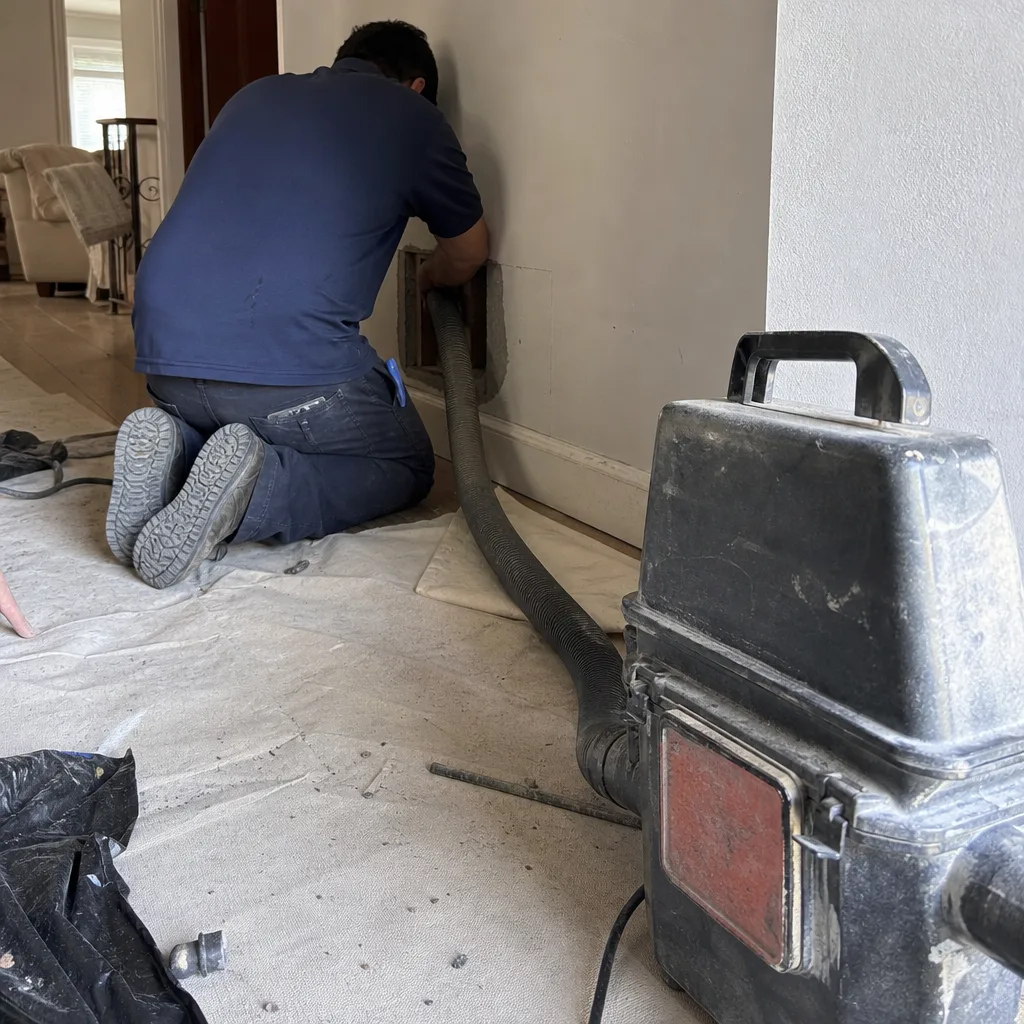 Before
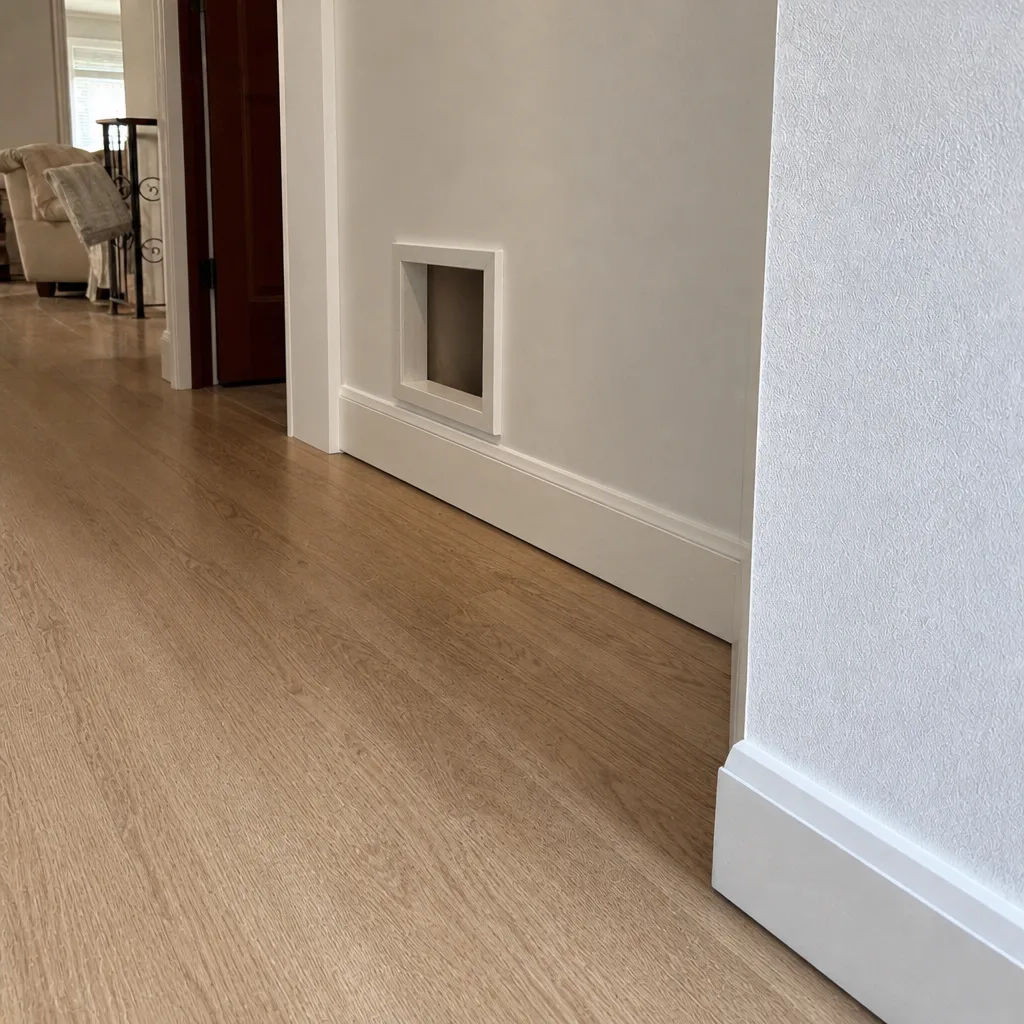 After
When to Call a Professional
Some maintenance you can handle yourself, but there’s a clear line where a professional call is the right one. That line is usually crossed when you can no longer verify with your own eyes and hands what’s happening inside the ducts. Call a professional if any of these apply: the filter loading interval has been shrinking over several consecutive months; a persistent musty or smoke odor survives a filter change; one or more rooms are consistently weaker in airflow and it’s not a closed damper; you can see visible dust buildup at the supply registers or a dark streak on a return grille; you’ve finished a major remodel or dealt with a nearby construction project; you’ve had a smoke event heavy enough to be visible in the air; it’s been two to three years since the last full cleaning; or a dryer is taking two cycles to dry a normal load. Air Duct Cleaning South Coast Metro offers free estimates in South Coast Metro. Call (833) 468-5980. We answer 24/7. Fast dispatch from 7am to 7pm, Sunday through Friday. Every job is priced per system with one flat price agreed before work starts, and any local pro we connect you with is licensed and insured as their state requires.
Frequently Asked Questions
Every two to three years under normal conditions, and sooner after a significant wildfire smoke event or a home remodel. The marine-layer condensation cycle here turns dust into a film faster than in drier climates, which is why the national “every three to five years” figure is usually too long in South Coast Metro. Your own filter loading rate is the best indicator. Call (833) 468-5980 for a free estimate and an honest assessment of whether your system is due.
MERV 11 is the practical target for most South Coast Metro homes, with MERV 8 as a good baseline. MERV 13 offers more capture but meaningfully higher airflow resistance, and unless your system was designed for it, the strain usually outweighs the benefit. A deep-pleat filter at MERV 11 often beats a thin MERV 13 for both filtration and system health. Call (833) 468-5980 to talk through which is right for your equipment.
Ask for before-and-after photos of your own ducts. Any credible cleaning service should be able to show you images taken during the job, and a containment setup with negative pressure plus a rotary-brush system should be standard, not optional. Air Duct Cleaning South Coast Metro uses the Rotobrush rotary-brush system and Abatement Technologies HEPA containment on every job, and provides photos as part of the service. Call (833) 468-5980 for an exact quote.
Cheap quotes usually skip containment equipment, skip the return-side duct system, or use an air-whip only with no contact cleaning. That’s not a cheaper version of the same service; it’s a different service. Blowing dust loose without negative pressure inside the ducts can redistribute contamination into the home. Call (833) 468-5980 and ask what equipment is used before choosing a provider.
No. Regular filter changes extend the interval between cleanings, but they don’t remove the film that’s already accumulated on duct surfaces from moisture and smoke events. Filtration prevents some accumulation; it doesn’t reverse it. Once that film is present, a full-system cleaning is what removes it. Call (833) 468-5980 for a free estimate and a clear answer on where your system stands.
Yes, and it’s worth treating as a priority rather than an add-on. In most South Coast Metro homes a professional dryer vent cleaning is due every year or so, and the fire risk from a contaminated vent run is higher than the risk from duct contamination. Book both together when possible. Call (833) 468-5980 for a free estimate on your dryer vent.
The Bottom Line
Maintenance is about tempo, not a task checklist. In South Coast Metro that means filter changes driven by load, monthly visual checks at every register, a written log of airflow and odor changes, a spring-scheduled full-system cleaning every couple of years, and dryer vent attention on a separate yearly cadence. The upgrades worth money are the ones that reduce accumulation: proper filtration, sealed leaks, prompt response after smoke events. The ones to skip are frequent fogging, duct deodorizing, and monthly cleanings nobody actually needs. Done well, this schedule keeps your HVAC pathway clean and lets you spot real problems early, which is the whole point. Call (833) 468-5980 for a free estimate. We answer 24/7. Fast dispatch from 7am to 7pm, Sunday through Friday. One flat price per system, agreed before work starts.
Written by the team at Air Duct Cleaning South Coast Metro.